Modern health advice often focuses on the superficial—counting calories or cutting carbs merely to fit into a smaller waistline. However, true longevity nutrition operates on a deeper level, treating food not just as fuel, but as a complex software package that directly programs your genetic expression, cellular repair mechanisms, and immune resilience. By strategically engineering what you eat, when you eat, and how you sequence your meals, you can actively deactivate the biological pathways that accelerate aging and turn on the defense systems that preserve youth.
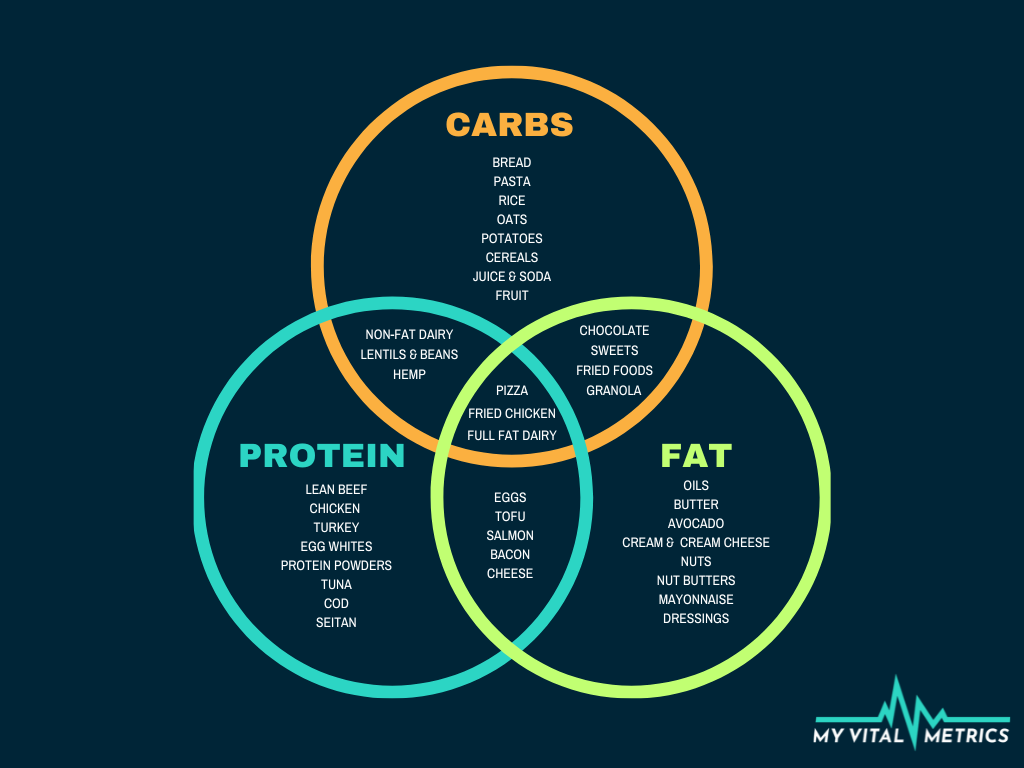
To optimize your macronutrient ratios for longevity, you must design your meals to manage two primary physiological forces: mTOR activation (growth vs. repair) and glycation (tissue stiffening).
1. Lean Protein: Sarcopenia Prevention & Amino Acid PulsingAs you age, your body experiences “anabolic resistance,” meaning it becomes less efficient at converting dietary protein into muscle tissue. Sarcopenia (age-related muscle wasting) is a primary driver of functional decline and metabolic dysfunction.
- The Target: 1.2 to 2.0 grams of protein per kilogram of body weight daily. For a 70kg (154 lb) individual, this is roughly 84 to 140 grams per day.
- The Strategy (Amino Acid Pulsing): Do not graze on protein all day. Instead, consume it in 2 to 3 discrete “pulses” of 30 to 50 grams. Each pulse must contain at least 3 grams of leucine (an essential amino acid found in chicken, wild fish, beef, or high-quality whey/essential amino acid supplements). This threshold is required to trigger muscle protein synthesis.
- The Longevity Tradeoff (mTOR): Continuous, high protein intake chronically activates mTOR (mammalian target of rapamycin), which accelerates aging by suppressing cellular cleanup. Pulsing your protein ensures you trigger muscle synthesis during meals, while allowing mTOR to deactivate during your fasting windows to permit cellular repair.
2. Healthy Fats: Mitochondrial Health & Inflammation Blunting
Fats form the lipid bilayers of your cellular membranes. If you eat oxidized, low-quality fats, your cell membranes become rigid and inefficient at transferring nutrients and waste.
- The Target: 30% to 40% of your total daily caloric intake.
- The Strategy (Monounsaturated & Omega-3 Focus): Make Extra Virgin Olive Oil (EVOO) your primary fat source. High-quality EVOO is rich in oleic acid and oleocanthal, a polyphenol that mimics the anti-inflammatory effects of ibuprofen. Pair this with high-dose Omega-3s (EPA and DHA) from wild-caught smash fish (Sardines, Mackerel, Anchovies, Salmon, Herring).
- The Longevity Benefit: Omega-3 fatty acids incorporate directly into your cellular membranes, keeping them fluid. They also increase the production of resolvins, molecules that actively “turn off” the inflammatory response, preventing chronic tissue damage. [1]
3. Restrict Refined Carbohydrates: Preventing Glycation & Insulin Resistance
Every time your blood sugar spikes, glucose molecules bind haphazardly to proteins and fats in your bloodstream. This process is called glycation, and it creates Advanced Glycation End-products (AGEs). AGEs literally “caramelize” your organs, stiffening your arteries, wrinkling your skin, and damaging your kidneys.
- The Target: Limit carbohydrates to complex, high-fiber, low-glycemic sources (cruciferous vegetables, leafy greens, berries, and small portions of tubers like sweet potatoes).
- The Strategy (Glucose Control): Always eat your foods in a specific sequence to blunt glucose spikes. Eat your fiber first, followed by your protein and fats, and finish with your complex carbohydrates.
- The Longevity Benefit: This eating sequence slows down gastric emptying. It reduces post-meal blood glucose spikes by up to 75%, keeping your baseline insulin low. Low insulin levels signal your body to stay in a state of cellular defense and longevity mode rather than fat storage mode.