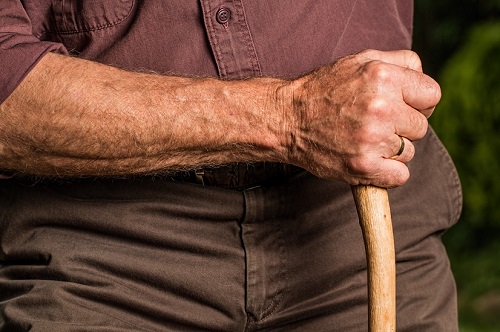
Grip strength is primarily a correlation and a convenient proxy (or biomarker) for your overall biological health, rather than a direct, causal driver of a longer lifespan. Squeezing a hand gripper for hours on end will give you stronger forearms, but it will not inherently protect your organs, boost your cardiovascular fitness, or magically grant you extra years of life.
However, you should absolutely still focus on it, not by isolating your hands, but by using your grip as a diagnostic dashboard for your entire musculoskeletal and nervous system.
Why Grip Strength Correlates to Longevity
Medical professionals view grip strength as a “vital sign” for aging because your body loses muscle mass and function as you age (a process called sarcopenia). Grip strength effortlessly reflects several broader health realities:
- Total Body Muscle Mass: Your handgrip strength serves as an easy-to-test proxy for your overall skeletal muscle health. People with strong grips almost always have strong legs, cores, and backs.
- Neuromuscular Integrity: Squeezing your hand requires complex communication between your brain, spinal cord, and peripheral nerves. A fading grip can be an early warning sign of a declining central nervous system.
- Functional Reserve: A robust grip indicates that you have the physical capability to prevent falls, catch yourself if you trip, carry your own groceries, and maintain your independence.
Health Importance and Biomarkers
- Low hand grip strength is linked to a higher risk of chronic conditions like cardiovascular disease, type 2 diabetes, sarcopenia, and accelerated aging.
- Clinical weakness thresholds are generally marked below 26 kg (57 lbs) for men and below 16 kg (35 lbs) for women, as outlined by health organizations like the Cleveland Clinic.
- Issues with grip strength can also stem from nerve compression like carpal tunnel syndrome or tendon overuse like tennis elbow, detailed by the Ohio State University Wexner Medical Center.
Top Exercises to Build Grip Strength
- Farmer’s Carry: Walk while holding heavy dumbbells or kettlebells in each hand.
- Dead Hangs: Hang from a pull-up bar for time to build support endurance.
- Plate Pinches: Pinch a weight plate with your fingers and thumb and hold it at your side.
- Towel Pull-Ups or Hangs: Drape a towel over a pull-up bar to dramatically increase finger and thumb activation.