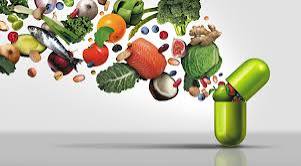
From a longevity and healthspan perspective, the general population does not need to buy dietary supplements because extensive clinical evidence shows they provide no survival benefit or protection against chronic diseases for healthy individuals. While the global wellness market heavily markets products like multivitamins, NAD+ precursors, and botanical extracts as “essential shortcuts” to aging gracefully, major longitudinal studies reveal that these over-the-counter products are largely a minor footnote compared to foundational lifestyle habits.
Investing heavily in the supplement aisle yields little return for your longevity for several key reasons:
Lack of Clinical Evidence for Extending Lifespan
Decades of large-scale, randomized controlled trials and meta-analyses have consistently shown that multi-vitamin and mineral supplements do not reduce the risk of major age-related diseases, such as cardiovascular disease, cancer, or cognitive decline. For instance, the massive COSMOS Trial tracked thousands of older adults and discovered that highly publicized interventions, like cocoa extract and multivitamins, failed to reduce the incidence of conditions like type 2 diabetes or heart disease.
Furthermore, trendy molecular longevity compounds (such as resveratrol or NAD+ precursors) show interesting results in short-lived laboratory mice, but human trials have largely failed to demonstrate clinically significant extensions of healthspan.
The Whole-Food Matrix Superiority
Your body evolved to process vitamins, minerals, and antioxidants when they are packaged together inside whole foods. This concept, known as the food matrix, dictates how nutrients interact with each other, dietary fiber, and healthy fats during digestion.
- A pill isolates a single chemical compound (e.g., Vitamin C or E).
- A whole food provides hundreds of complex phytochemicals that work synergistically.
Synthesized vitamins simply cannot replicate the structural and systemic benefits that a balanced diet of vegetables, whole grains, lean proteins, and healthy fats provides to cellular health.
More Is Not Better (The “U-Shaped” Risk Curve)
In longevity science, the concept of hormesis indicates that the body needs the right dose of stress and nutrients. Supplements often provide mega-doses that blow past optimal biological limits, turning a good thing into a toxic or counterproductive one:
- Antioxidant Paradox: High-dose isolated antioxidants (like Vitamin E) can inadvertently shut down your body’s natural cellular repair mechanisms.
- Toxicity and Damage: Excessive intake of certain nutrients can result in organ or nerve damage (such as Vitamin B6 causing neuropathy).
- Increased Mortality: Clinical trials have shown that certain synthetic supplements, like beta-carotene, can actually increase the risk of lung cancer in smokers, while high-dose calcium or Vitamin E can elevate risks for kidney stones, strokes, and bleeding.
Poor Regulation and Purity Concerns
Unlike prescription pharmaceuticals, the U.S. Food and Drug Administration (FDA) regulates dietary supplements as food, meaning companies do not have to prove a product is safe or effective before selling it. Independent testing frequently reveals that over-the-counter supplements suffer from:
- Substandard ingredient quality (containing significantly less of the active ingredient than advertised).
- Contamination with heavy metals, unlisted prescription drugs, or biological toxins.
- Dangerous drug interactions that can interfere with blood clotting or critical metabolic prescription medications.
When Are Supplements Justified?
The term “supplement” implies adding to something that is missing. They transition from an unnecessary expense to a useful tool only when resolving a clinically diagnosed deficiency or targeted medical circumstance. This includes Harvard Health-recognized exceptions such as:
- Vitamin B12 or iron for strict vegans or individuals with malabsorption diseases (like Crohn’s or Celiac).
- Target Vitamin D supplementation if lab work shows blood levels drop below normal parameters.
- Protein powders (whey or plant-based) or creatine for older adults struggling to hit protein targets necessary to protect against muscle wasting (sarcopenia).
Ultimately, healthspan is generated through active cellular stress and recovery—such as high-quality sleep, regular exercise, and strong social connections—none of which can be bottled into a daily capsule.