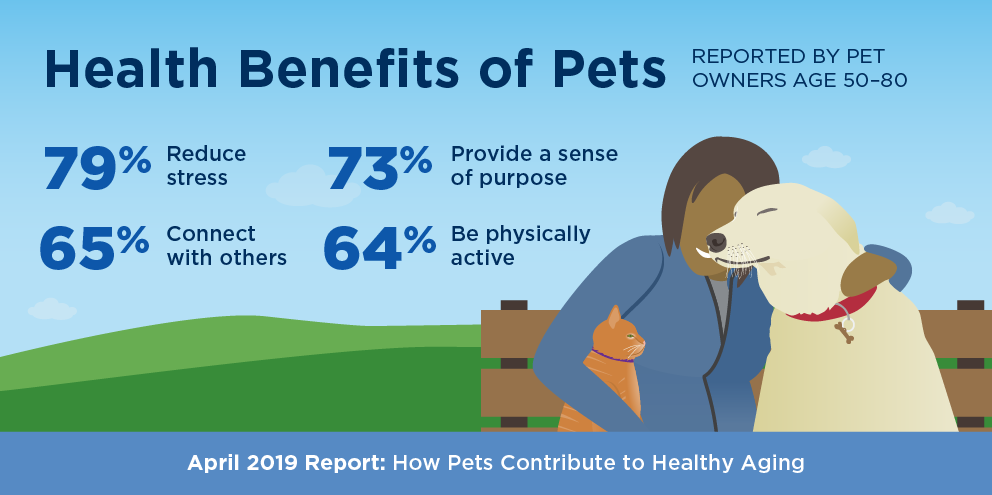
Owning a pet offers significant advantages for health, wellness, and longevity by improving cardiovascular health, reducing chronic stress, and protecting cognitive function. Research indicates that the bond between humans and animals can even lead to increased survival rates after major health events.
Cardiovascular Health and Physical Longevity
Pet ownership is strongly linked to heart health, with studies showing a lower risk of death from heart disease and natural causes.
- Reduced Risk Factors: Owners often have lower resting heart rates, lower blood pressure, and better cholesterol and triglyceride levels.
- Increased Survival Rates: Dog owners, in particular, show a 33% lower risk of death after a heart attack and a 27% lower risk after a stroke compared to non-owners, especially those living alone.
- Physical Activity: Regular daily walks with a dog add an average of 20–22 minutes of extra exercise per day, helping owners meet recommended fitness levels.
Psychological Wellness and Stress Reduction
Interacting with pets triggers biochemical changes that enhance emotional well-being.
- “Happy Hormone” Boost: Petting an animal increases levels of oxytocin, serotonin, and dopamine while simultaneously lowering cortisol, the body’s primary stress hormone.
- Mental Health Support: Pets ease feelings of loneliness, social isolation, and depression, providing unconditional love and a “calming presence”.
- Sense of Purpose: For many, the responsibility of caring for a pet provides daily structure and a vital sense of meaning, which are key components of mental resilience.
Healthy Aging and Cognitive Protection
For older adults, pets can serve as a buffer against age-related decline.
- Slowing Cognitive Decline: Research involving adults over age 65 suggests pet ownership is associated with a slower rate of decline in verbal memory, fluency, and general executive function over a 10-year period.
- Dementia and Alzheimer’s Support: Regular interaction with animals has been shown to support daily activity function and slow disease progression in individuals with Alzheimer’s.
- Social Connectedness: Pets often act as “social icebreakers,” helping seniors stay engaged with their neighbors and community.
- The Ultimate Accountability Partner: We all struggle to motivate ourselves sometimes, but it’s nearly impossible to ignore a pair of eyes looking at you when it’s time for a walk or breakfast. A pet turns your “should-do” habits into “must-do” moments, ensuring you get outside and stay active even on days you don’t feel like it.
- A “Built-in” Buffer Against Stress: Imagine coming home after a grueling day and having a living being who is genuinely, purely thrilled that you exist. That immediate drop in cortisol when you start playing or cuddling isn’t just a feeling—it’s your body physically repairing itself from the day’s strain.
- Connection Without Perfection: In a world where we often feel judged, pets offer a space of total authenticity. They don’t care about your job title or your bank account; they care about your presence. That kind of unconditional bond is a powerful anchor for your mental health.
- The Reward of Growth: There is a profound sense of pride in watching an animal thrive under your care. Seeing a rescue dog gain confidence or a kitten learn to trust you provides a sense of accomplishment that carries over into other areas of your life.
Small Step Tip: If you aren’t ready for the 15-year commitment yet, consider fostering. It allows you to experience these health benefits and save a life while “test-driving” how a pet fits into your daily routine.