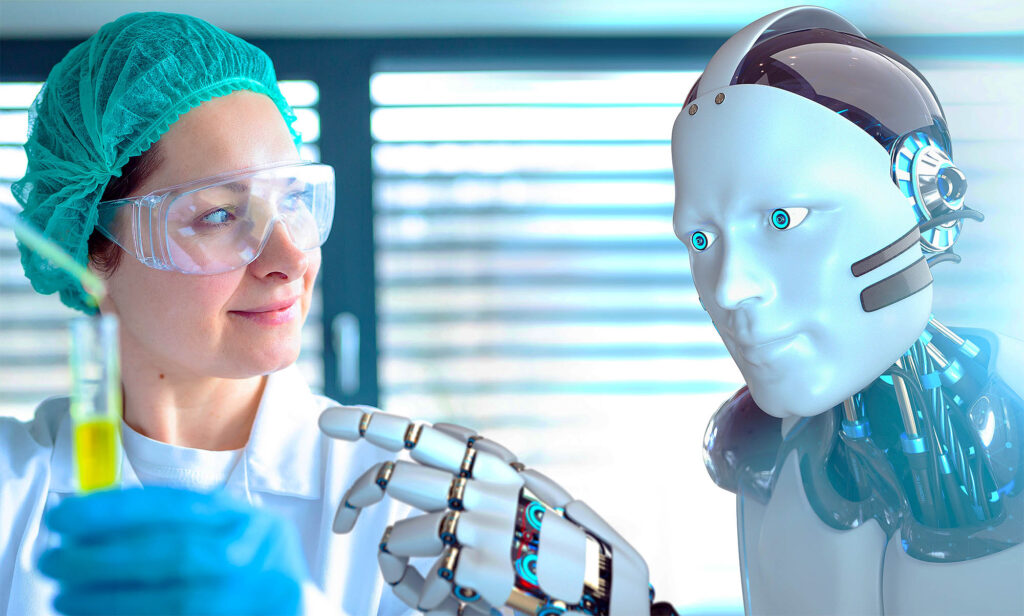
AI is compressing centuries of aging research into years by revolutionizing drug discovery, biological age tracking, and cell reprogramming. Instead of taking decades, machine learning models can now screen billions of molecules in days to identify novel therapies for age-related diseases.
Major breakthroughs in longevity driven by AI include:
- Massive Accelerations in Drug Discovery: Platforms like Insilico Medicine use AI to discover entirely new molecular compounds and drug targets, with drugs for conditions like idiopathic pulmonary fibrosis entering Phase 2 clinical trials. Algorithms can now design molecules from scratch or screen 8 billion virtual chemicals for anti-aging properties in record time.
- Advanced “Deep Aging” Clocks: AI has enabled the creation of deep aging clocks (such as improved versions of the Horvath Clock). These machine learning tools analyze complex health and transcriptomic data to determine your true biological age, which is a much more accurate predictor of disease risk than chronological age.
- Breakthroughs in Protein Folding: AI models are transforming our understanding of cellular biology by predicting the 3D structures of proteins and mapping how they interact with potential drugs. This allows researchers to rapidly design therapeutics that halt or reverse cellular damage.
- Cellular Rejuvenation and Reprogramming: Startups like Altos Labs are using AI-driven technologies to understand how to eliminate age-related diseases, edit genes, and reverse the age of cells.
- Agentic Scientists: Researchers are beginning to deploy AI scientist agentic systems (such as Cadence) which can ingest massive amounts of clinical data to independently suggest and test hypotheses in the lab.