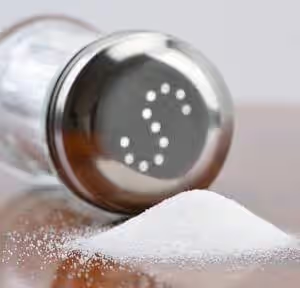
Reducing sodium intake—ideally to under 2,300mg daily—lowers blood pressure, reduces the risk of heart disease, stroke, and kidney damage, and can significantly increase longevity. Key strategies include eating fresh foods, limiting processed items, using herbs/spices, reading labels, and rinsing canned foods.
For many individuals, 2,300 mg of sodium—about one teaspoon of salt—is considered a maximum upper limit rather than an ideal goal. Leading health organizations often suggest that a significantly lower standard is necessary to protect long-term heart and kidney health.
Why 2,300 mg May Be Too High
- Optimal Heart Health: The American Heart Association (AHA) recommends an “ideal” limit of 1,500 mg per day for most adults. Even for those with normal blood pressure, reducing intake toward this level can proactively lower the risk of developing cardiovascular disease.
- High-Risk Groups: A 2,300 mg limit is often too high for specific populations who are more sensitive to salt’s effects. The CDC and AHA recommend a 1,500 mg daily limit for:
- People with hypertension (high blood pressure).
- Individuals with diabetes or chronic kidney disease.
- Middle-aged and older adults (typically age 51+).
- African Americans, who statistically face a higher risk of salt-sensitive hypertension.
- Vascular Damage: Research indicates that even in people with normal blood pressure, consuming more than 2,300 mg can damage the endothelial lining of blood vessels and contribute to plaque progression.
- Fluid Retention: For those with congestive heart failure or kidney issues, 2,300 mg can still trigger dangerous fluid retention, leading to shortness of breath or hospitalization.
- Biological Needs: Human bodies actually only need about 500 mg of sodium per day—roughly 1/4 teaspoon—to perform vital functions. Anything above that is technically an “excess” that your kidneys must work to filter out.
How to Reduce Sodium Intake
- Prioritize Fresh Foods: Choose fresh meats, fruits, and vegetables over processed, smoked, or canned alternatives.
- Read Nutrition Labels: Compare brands to find the lowest sodium option. The FDA Nutrition Facts label helps track daily values.
- Limit Processed Foods: Reduce consumption of fast food, frozen dinners, pizza, and canned soups, as roughly 70–80% of dietary sodium comes from these sources.
- Cook at Home: Control the amount of salt added during cooking and at the table.
- Use Seasonings: Use herbs, spices, garlic, vinegar, and citrus juices instead of salt to flavor food.
- Rinse Canned Foods: Rinsing beans, tuna, and vegetables can remove some of the sodium.
- Watch Condiments: Soy sauce, salad dressings, and ketchup are high in sodium.
How it Improves Health and Longevity
- Lower Blood Pressure: Reducing salt reduces the volume of blood, which in turn lowers blood pressure in the arteries.
- Reduced Disease Risk: Lower sodium intake reduces the risk of stroke, heart failure, and cardiovascular disease.
- Kidney Protection: Excessive sodium strains the kidneys, which can lead to chronic kidney disease or failure.
- Weight Management: Reducing processed foods often results in lower calorie intake, promoting healthy weight management, which supports overall health.
Focusing on a low-sodium lifestyle isn’t about what you’re giving up; it’s about what you’re gaining—more energy, a stronger heart, and many more healthy years ahead. Every time you choose a fresh ingredient over a processed one, you are actively protecting your body and investing in your future self. It only takes a few weeks for your taste buds to reset, so stay patient and remember that you’re reclaiming your health one meal at a time.