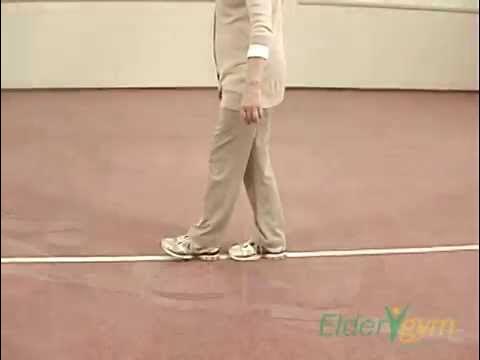
Practicing the heel-to-toe walk is one of the simplest yet most effective ways to future-proof your body against the physical declines of aging. By narrowing your base of support, this exercise challenges your nervous system, forces your brain and muscles to communicate rapidly, and strengthens vital stabilizing joints. Ultimately, mastering this movement builds a resilient foundation for functional fitness, drastically reduces your risk of life-altering falls, and directly supports a longer, more independent life.
Neurological & Brain Benefits
- Boosts Neuroplasticity: Forces the brain to create new neural pathways to maintain balance.
- Sharpens Proprioception: Heightens your body’s awareness of its position in space.
- Exercises the Cerebellum: Directly stimulates the brain region responsible for motor control and coordination.
Fall Prevention & Longevity
- Reduces Fall Risk: Strengthens dynamic balance, the primary defense against age-related falls.
- Protects Longevity: Lowers the risk of hip fractures, which are statistically linked to high mortality rates in older adults.
- Builds Ankle Stability: Reinforces the ligaments and tendons surrounding the ankle joint.
Physical Fitness & Mechanics
- Activates Core Muscles: Engages the deep abdominals and obliques to keep the torso upright.
- Strengthens Feet and Calves: Targets intrinsic foot muscles often neglected in standard walking.
- Improves Posture: Realigns the spine by demanding a stacked, vertical posture during execution.
Functional Longevity Indicators
- Gait Speed Marker: Directly improves walking mechanics, and a faster gait speed is a proven biomarker for a longer lifespan.
- Cognitive Reserve Assessment: Acts as a dual-task exercise that preserves cognitive function as you age.