
Hydration for Longevity: The Morning Water Advantage

drinkwater

Drinking water first thing in the morning rehydrates your body after sleep, jump-starts your metabolism, fuels your brain for better focus, aids digestion, and helps flush toxins, setting a positive health tone for the day and contributing to better overall hydration, which is linked to fewer chronic diseases and longer life. Staying hydrated supports healthy aging by keeping systems running smoothly, improving mental clarity, boosting energy, and supporting the immune system and skin health. 

Key Benefits for Health & Longevity

  • Rehydrates Your Body: You lose fluids overnight; water replenishes these essential fluids, preventing dehydration that causes fatigue and brain fog.
  • Boosts Brain Function: Your brain needs water to function optimally; morning hydration improves alertness, memory, and mood.
  • Kickstarts Metabolism: Water helps your body metabolize carbs and proteins, getting your metabolism going early.
  • Aids Digestion & Detox: It wakes up your digestive system, promotes regularity, and helps kidneys flush out waste products processed overnight.
  • Supports Longevity: Studies show good hydration is linked to fewer chronic conditions and slower biological aging, potentially extending lifespan.
  • Improves Energy & Mood: Rehydrating combats dehydration-induced tiredness and can improve your overall mood.
  • Strengthens Immunity: Proper hydration supports the lymphatic system, vital for fighting infections, and helps prevent colds.
  • Promotes Healthy Skin: Hydration prevents dryness, itchiness, and supports a healthy skin barrier, reducing signs of aging. 

How it Supports Longevity

Research from the National Institutes of Health (NIH) indicates that adults with optimal fluid levels show signs of slower biological aging and lower risks for premature death, suggesting consistent hydration is crucial for long-term health and disease prevention. Drinking water in the morning is a simple way to build this foundational habit.

Are You Getting Enough Sleep to Maximize Your Longevity?

sleepclock

Sleep is crucial for your longevity because it allows your body to perform vital repair, regeneration, and hormonal regulation, reducing risks for chronic diseases like heart disease, diabetes, and cancer, while improving brain function; consistent, quality rest strengthens immunity, balances metabolism, and repairs cells, making it a powerful factor in increasing lifespan and healthspan. 

Cellular & Physical Repair

  • Tissue Regeneration: During deep sleep, your body repairs muscles, grows tissues, and synthesizes proteins, essential for daily wear-and-tear recovery.
  • Immune Support: Sleep strengthens your immune system, helping you fight off infections and reducing inflammation, a key factor in aging. 

Hormonal Balance

  • Metabolism & Appetite: Sleep regulates hormones controlling metabolism and appetite, helping maintain a healthy weight and preventing issues like insulin resistance (Type 2 Diabetes).
  • Stress Response: Adequate rest helps manage stress hormones, improving mood and reducing anxiety and depression. 

Brain Health

  • Cognitive Function: Sleep allows the brain to clear out toxic byproducts and consolidate memories, improving focus and reducing dementia risk. 

Disease Prevention & Longevity

  • Reduced Chronic Disease Risk: Poor sleep is linked to heart disease, stroke, obesity, diabetes, and certain cancers, all of which shorten life.
  • Mortality Risk: Studies show a clear link between poor sleep habits (irregularity, short duration) and increased risk of early death from all causes, with some research suggesting sleep regularity is a stronger predictor than duration alone. 

Key Takeaway: Quality & Consistency Matter 

  • Aim for 7-9 hours, but focus on high-quality, consistent sleep—going to bed and waking up at the same time daily significantly boosts long-term health and survival. 

Ankle Power: The Secret to Staying Strong & Mobile for Life

anklebosu

——————————-

How strong are your ankles? Strengthening your ankles as you age is crucial for preventing falls, maintaining balance, and avoiding injuries, as aging naturally reduces joint fluid, cartilage, and muscle mass, leading to stiffness and instability. Strong ankles improve proprioception (your sense of body position), support proper biomechanics in your knees and hips, and absorb impact, reducing strain on your whole lower body, which keeps you mobile and active. 

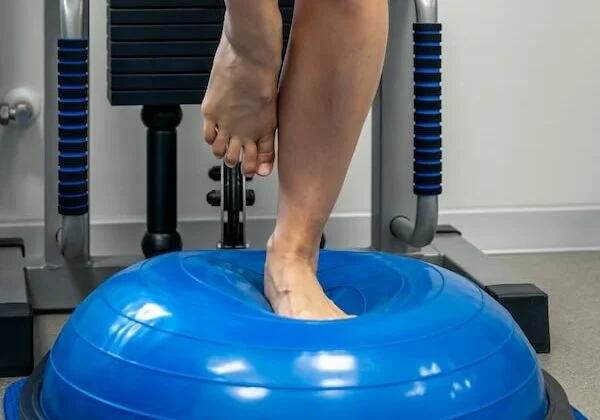
To strengthen ankles with a BOSU ball, focus on balance drills like single-leg stands (holding a wall if needed), dynamic movements such as step-downs and 3-way leg extensions (forward, side, back), and calf raises on the unstable surface to build stability, control, and strength for injury prevention. 

Basic Balance & Stability

  1. Single-Leg Balance: Stand on the flat or dome side of the BOSU. Lift one foot, keeping a slight bend in your standing knee. Hold for 30-60 seconds, or 12 seconds and repeat 5 times. Use a wall for support if needed.
  2. Heel Raises: Stand with feet hip-width apart on the BOSU (dome up). Slowly rise onto your toes, lift your heels, and slowly lower, engaging your calves and stabilizing your ankles. 

Dynamic Strengthening

  1. 3-Way Leg Stability: Center one foot on the BOSU dome. Move the free leg forward, then to the side, then back, returning to center each time. This builds stability through movement.
  2. Step-Downs: Stand on the BOSU with one foot on the dome. Slowly lower your free foot to the floor, then push back up, focusing on ankle control and dorsiflexion (bringing toes to shin).
  3. Ankle Rotations (on dome): Stand on one leg on the dome. Lift your free foot and rotate your ankle, pointing toes out and in, and making circles, feeling the muscles on the side of your ankle work. 

Tips for Success

  • Start Stable: Begin with the flat side up if the dome is too challenging.
  • Use Support: Hold onto a wall or stable object until you feel confident.
  • Control is Key: Focus on slow, controlled movements rather than speed.
  • Frequency: Aim for daily practice to see improvements. 

Can Forgiveness Help You Live Longer?

forgiveness

Forgiveness is important for your health and longevity because it reduces stress, inflammation, and negative emotions like anger and resentment, leading to lower blood pressure, better heart health, stronger immunity, and reduced risk of anxiety and depression, ultimately promoting longer, healthier lives by breaking cycles of rumination and allowing for better emotional regulation and positive focus. It’s a gift to yourself that lowers the strain on your body and mind, improving overall well-being and potentially increasing lifespan, say researchers at Stanford and Johns Hopkins. 

Mental Health Benefits

  • Reduces Rumination: It breaks the cycle of replaying hurts, freeing up mental energy for positive things.
  • Lowers Anxiety & Depression: Studies show fewer episodes of depression and anxiety in forgiving individuals.
  • Boosts Well-being: Leads to higher life satisfaction, greater hope, and stronger social support. 

Physical Health Benefits

  • Lowers Stress Response: Activates the calming parasympathetic nervous system, reducing stress hormones like cortisol.
  • Improves Heart Health: Associated with lower blood pressure, heart rate, and reduced risk of heart disease.
  • Strengthens Immunity: Improves immune system function.

Longevity & Overall Life Quality 

  • Linked to Longer Life: Research suggests a statistically significant link between forgiveness and decreased risk of all-cause mortality.
  • It’s for You: Forgiveness isn’t excusing the wrong; it’s releasing yourself from the negative hold the past event has on you.
  • Physical & Mental Shift: It helps your body and mind move from a state of hyper-arousal (stress) to calm and balance. 

In essence, by letting go of grudges, you’re giving yourself a powerful tool to heal and live longer, healthier, and happier. 

Do You Make Your Bed Every Day?

makebed

Making your bed daily might not seem like it would be related to better health and longevity but it is in several ways. Research shows that making your bed every day can contribute to improved mental and emotional health by fostering a sense of accomplishment and control, promoting tidiness which may reduce stress, and encouraging the development of positive habits [1]. 

The daily benefits to making your bed include:

  • Sense of Accomplishment: Starting the day with a completed task can create a positive mindset and provide momentum for tackling other responsibilities [1].
  • Reduced Stress: A neat and organized bedroom can contribute to a calmer environment. Visual clutter can be a source of subconscious stress, so reducing it can lead to improved mood and reduced anxiety [1].
  • Mindfulness and Presence: The act of making your bed can be a mindful ritual, a moment to focus on the present moment and transition smoothly into the day’s activities [1].
  • Improved Sleep Environment: A well-made bed is more inviting, which can subtly encourage a better night’s sleep. Coming back to a tidy, welcoming bed at the end of the day can help signal to your brain that it’s time to rest [1]. 

While these benefits are more about psychology and lifestyle, they are widely recognized as contributing to overall well-being.