Can Cinnamon Really Help You Live Longer?

cinnamon

Why is cinnamon considered so good for us?

Cinnamon is known as a healthy spice with potential longevity benefits due to its high concentration of antioxidants (specifically polyphenols), anti-inflammatory properties, and ability to modulate key cellular processes. Active compounds in cinnamon, particularly cinnamaldehyde, are linked to improved cognitive function, heart health, and metabolic regulation. 

Let’s drill down on how cinnamon supports health and longevity: 

1. Mechanisms for Longevity and Healthy Aging 

Recent studies, particularly on model organisms like C. elegans and human cells, have revealed that cinnamon acts on fundamental aging mechanisms: 

  • mTORC1 and Autophagy Signaling: Dietary cinnamon, specifically cinnamaldehyde, has been shown to prolong lifespan and healthspan by inhibiting mTORC1 and activating autophagy. Autophagy is a cellular “cleanup” process that removes damaged components, improving cellular homeostasis and resisting age-related decline.
  • Dietary Restriction Mimetic: Cinnamon acts similarly to dietary restriction, helping the body manage nutrients efficiently without reducing food intake.
  • Reduced βbeta𝛽-Amyloid Toxicity: It has been shown to reduce Db314479 5f88 4668 Ab84 D62f85fac1a1βbeta𝛽-amyloid toxicity, which is a major factor in Alzheimer’s disease, thereby supporting cognitive health. 

2. Metabolic Health and Blood Sugar Control 

Cinnamon is widely recognized for its ability to help manage diabetes and metabolic syndrome, which are major drivers of aging: 

  • Improved Insulin Sensitivity: It enhances the body’s sensitivity to insulin, aiding in the transport of glucose from the bloodstream into cells.
  • Lowered Blood Sugar: Consuming 1–6 grams (roughly 0.5–2 teaspoons) of cinnamon daily has been shown to reduce fasting blood sugar, LDL (bad) cholesterol, and triglyceride levels.
  • Slowing Carbohydrate Breakdown: It can slow the rate at which food empties from the stomach, preventing sharp post-meal blood sugar spikes. 

3. Antioxidant and Anti-inflammatory Properties 

Cinnamon is packed with antioxidants, ranking among the top spices for polyphenol content, which protects the body from oxidative damage: 

  • Neutralizing Free Radicals: These antioxidants fight oxidative stress, a primary contributor to chronic diseases and aging.
  • Lowering Inflammation: Cinnamon reduces chronic inflammation, which is linked to cancer, arthritis, and cardiovascular disease. 

4. Heart and Cognitive Health 

  • Cardiovascular Support: By lowering total cholesterol, LDL, and triglycerides, and helping to manage blood pressure, it reduces risk factors for heart disease.
  • Brain Function: Compounds like cinnamaldehyde and cinnamic acid can protect neurons and normalize neurotransmitter levels, potentially slowing cognitive decline. 

5. Types of Cinnamon and Safety 

  • Ceylon vs. Cassia: While both types have benefits, Ceylon cinnamon (“true” cinnamon) is considered safer for daily use because it has very low levels of coumarin, a compound that can cause liver damage in high doses.
  • Recommended Intake: A general recommendation is about 0.5 to 1 teaspoon (2-4 grams) of cinnamon per day, incorporated into a balanced diet. 
  • Caution: Cinnamon should not replace medical treatments for diabetes or other conditions. Consult a healthcare provider before adding large amounts of cinnamon to your diet.

Sauna for Longevity: Boosting Wellness with Heat Therapy

sauna

Have you tried a hot sauna? These are getting a lot of attention lately and the research is promising. Regular use of a hot sauna offers significant benefits for the body, particularly for cardiovascular healthstress reduction, and potentially increasing overall longevity. These benefits arise from the body’s physiological response to heat stress, which mimics some of the effects of moderate-intensity exercise. 

Main Benefits for the Body

  • Improved Cardiovascular Health: Sauna heat causes blood vessels to dilate and the heart rate to increase, which improves circulation and blood flow, similar to a cardio workout. Regular use is linked to:
    • Lower blood pressure.
    • Reduced risk of fatal heart-related diseases, including sudden cardiac death, coronary heart disease, and stroke.
    • Improved cholesterol profiles (increased HDL “good” cholesterol and decreased LDL “bad” cholesterol).
    • Enhanced function of the endothelium, the inner lining of blood vessels.
  • Muscle Recovery and Pain Relief: Increased blood flow to muscles helps reduce soreness and speeds up the body’s natural healing process. Saunas can also ease pain and stiffness associated with conditions like arthritis and fibromyalgia.
  • Stress Reduction and Mental Well-being: The relaxing atmosphere of a sauna, combined with the release of endorphins (natural “feel-good” chemicals), helps reduce stress and anxiety and may even lower cortisol levels. This can lead to better sleep quality and overall improved mental resilience.
  • Enhanced Immune Function: The body’s exposure to heat may stimulate white blood cell production and reduce markers of chronic inflammation, which can help the body fight off common colds and other illnesses more effectively.
  • Respiratory Health Improvements: Sauna use may help alleviate symptoms of respiratory ailments such as asthma and COPD by promoting bronchodilation and helping to clear mucus from the airways. 

Impact on Longevity

Studies have shown a strong association between frequent sauna bathing and reduced risk of all-cause mortality, which is the primary indicator of increased longevity. 

  • Reduced All-Cause Mortality Risk: One landmark Finnish study that followed over 2,300 men for two decades found that those who used a sauna 4-7 times per week had a 40% lower risk of all-cause mortality compared to those who only went once a week.
  • Protection Against Neurodegenerative Diseases: Regular sauna use (4-7 times a week) is associated with a significantly lower risk of developing dementia and Alzheimer’s disease (by up to 66% and 65%, respectively). This benefit is linked to improved blood flow to the brain, reduced inflammation, and the production of brain-derived neurotrophic factor (BDNF), a protein that promotes the growth of new neurons.
  • Cellular Repair and Adaptation: Heat stress triggers the production of heat shock proteins (HSPs), which repair damaged proteins and protect cells from future stress, a process associated with slowing cellular aging and increasing longevity. 

For optimal results, studies suggest aiming for 4 to 7 sessions per week, each lasting approximately 15 to 20 minutes, but it is important to stay well-hydrated and consult a physician before beginning a new sauna regimen, especially if you have existing health conditions. 

How Small Habits Create a Long Life: Lessons from Atomic Habits 

atomichabits

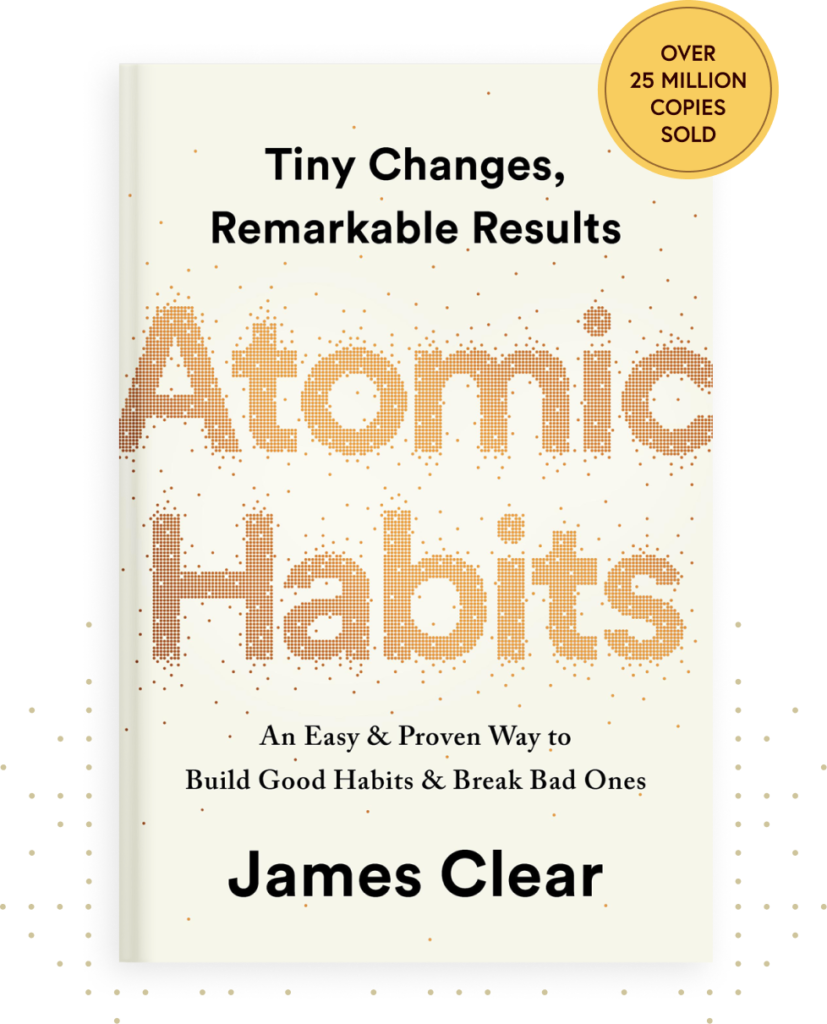
Atomic Habits by James Clear emphasizes that tiny, 1% daily improvements compound into remarkable results, focusing on building small, consistent habits (atomic habits) that align with your desired identity, rather than just chasing outcomes, using a four-step framework (cue, craving, response, reward) and the Four Laws of Behavior Change: Make it Obvious, Attractive, Easy, and Satisfying to build good habits, and the reverse to break bad ones, with key strategies like habit stacking, environment design, and the Two-Minute Rule. 

Using  techniques from Atomic Habits is great for longevity and wellness because it shifts focus from overwhelming goals to tiny, sustainable actions that compound into major health improvements, making healthy behaviors easy, attractive, obvious, and satisfying, thereby building resilient routines for a longer, healthier life. It promotes consistency over intensity, leverages environmental design, and fosters an identity as a healthy person, making wellness a natural part of who you are. 

Core Concepts:

  • Systems over Goals: Focus on the process (your habits and systems) rather than just the outcome (goals) for lasting change, as results are a byproduct of the system.
  • Identity-Based Habits: Your habits are evidence of your identity; change your habits to embody the person you want to become (e.g., “I am a reader” vs. “I want to read more”).
  • Compounding Effects: 1% daily improvement leads to being 37 times better in a year, highlighting the power of small, consistent actions. 

The Four Laws of Behavior Change:

  1. Make it Obvious (Cue): Design your environment so good habits are visible (e.g., put gym clothes out).
  2. Make it Attractive (Craving): Pair desired habits with things you enjoy (habit stacking: “After I pour my coffee, I will meditate”).
  3. Make it Easy (Response): Reduce friction; start new habits with the “Two-Minute Rule” (e.g., meditate for two minutes).
  4. Make it Satisfying (Reward): Make good habits immediately rewarding to encourage repetition (e.g., use a habit tracker). 

Key Strategies:

  • Habit Stacking: Link a new habit to an existing one.
  • Environment Design: Make good habits inevitable and bad habits impossible.
  • The Two-Minute Rule: Start new habits with a tiny, two-minute version.
  • Never Miss Twice: A slip-up is okay, but don’t let it become a pattern.
  • Track Your Habits: Visual progress boosts motivation. 

Box Breathing: A Simple Tool for Cardiovascular Health and Reduced Stress

boxbreathing

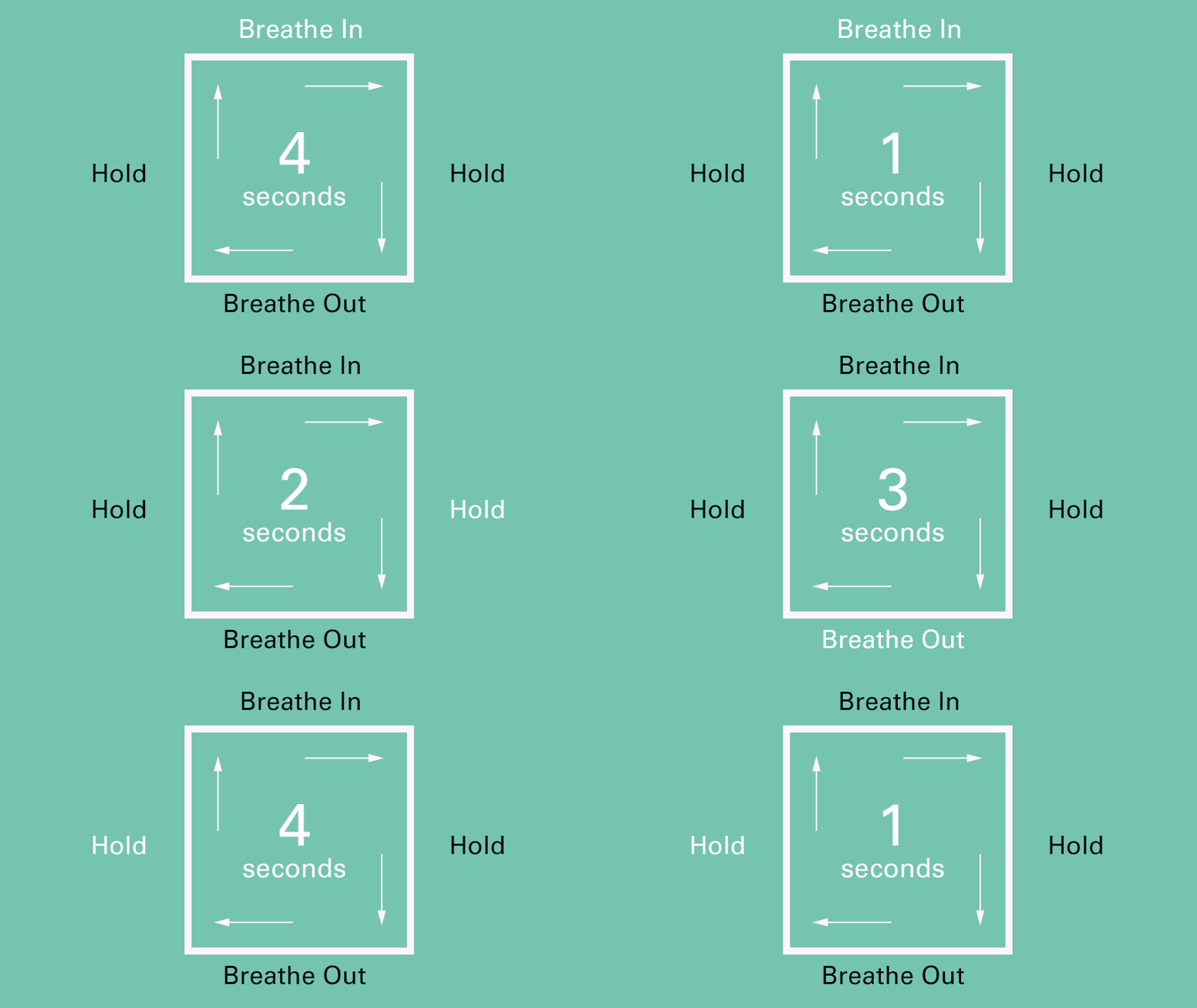
Box breathing, also known as square breathing or 4-4-4-4 breathing, is a deep-breathing technique used to regulate the autonomic nervous system. It is famously used by Navy SEALs to maintain composure and focus in high-pressure situations. 

How to Practice Box Breathing

The technique follows a simple four-step cycle, typically using a count of four for each stage: 

  1. Inhale: Breathe in slowly through your nose for 4 seconds.
  2. Hold: Keep your lungs full for 4 seconds.
  3. Exhale: Release all air slowly through your mouth for 4 seconds.
  4. Hold: Keep your lungs empty for 4 seconds before the next inhale. 

Benefits for Wellness

Box breathing offers immediate and cumulative psychological and physiological advantages: 

  • Stress & Anxiety Relief: It activates the parasympathetic nervous system (the “rest and digest” response), which counteracts the “fight or flight” mode.
  • Mental Clarity: By focusing on the rhythmic counting, practitioners can clear mental clutter, leading to improved concentration and cognitive performance.
  • Emotional Regulation: Regular practice helps stabilize mood swings and increases resilience to future stressors.
  • Better Sleep: Practicing before bed helps quiet racing thoughts and physically relaxes the body, making it easier to fall asleep. 

Impact on Longevity

While not a direct “anti-aging” cure, box breathing supports longevity by mitigating the long-term damage caused by chronic stress: 

  • Cardiovascular Health: Consistent practice can lower blood pressure and slow the heart rate, reducing strain on the heart and the risk of hypertension.
  • Heart Rate Variability (HRV): It enhances HRV, a key indicator of autonomic health and a predictor of overall mortality and fitness.
  • Gene Activation & Inflammation: Research suggests that relaxation techniques like box breathing can activate genes associated with energy metabolism and insulin secretion while decreasing genes linked to inflammation and stress.
  • Cortisol Reduction: By manually lowering cortisol (the primary stress hormone), box breathing helps prevent the wear and tear that chronic stress causes on every bodily system.

Hanging Leg Raises: The Core Exercise for Lifelong Strength and Wellness

legraises

Hanging exercises, like dead hangs and leg raises, are great for core strength and longevity by improving grip strength (a key health marker), decompressing the spine, boosting posture, and building overall stability, which helps you maintain functional independence and reduces injury risk as you age, supporting long-term health and vitality.

They work the entire upper body and core isometrically and dynamically, fighting the effects of sedentary lifestyles. To safely perform hanging leg raises, focus on controlled movement and engaging your abdominal muscles to tilt your pelvis, rather than just lifting your legs with your hip flexors. 

Core Strength & Stability

  • Engages Deep Core: Hanging leg raises, in particular, intensely target your lower abs, obliques, and hip flexors for defined abs and better control, while even a passive dead hang engages your core to keep you stable.
  • Combats Sedentary Issues: It counteracts rounded shoulders and forward head posture (tech neck) from sitting, restoring natural movement and core engagement. 

Longevity & Overall Health 

  • Grip Strength: A strong grip is a powerful predictor of overall health, muscle mass, and longevity, linked to lower risks of chronic diseases and premature death.
  • Spinal Decompression: Gravity gently lengthens the spine, reducing compression on discs and relieving back tension, which is great for joint health.
  • Shoulder Mobility & Joint Health: Hanging helps restore natural range of motion in the shoulders and creates space in the joint capsule, improving joint health.
  • Functional Independence: Strong grip, core, and upper body strength from hanging helps with everyday tasks (lifting, carrying) and allows you to stay independent longer.

How it Works

  • Dead Hangs (Passive): Holding on with straight arms activates muscles to stabilize, improving endurance and connective tissue strength.
  • Hanging Leg Raises (Active): Lifting your legs while hanging provides progressive overload for your abs and deep stabilizers, challenging them more than floor exercises. 
  • Progress gradually: Hanging leg raises are an advanced exercise. If you are a beginner, start with floor leg raises or hanging knee raises to build the necessary strength and stability.
  • Listen to your body: If you experience any pain, particularly in your lower back or shoulders, stop the exercise and consider a modification.