Sleep Better, Live Longer: The Power of Pre-Bedtime Movement

bedtime stretch

Stretching before bedtime promotes better sleep by reducing physical muscle tension, easing mental stress, and activating the parasympathetic nervous system. A short, gentle, 10-15 minute routine helps you fall asleep faster, improves circulation, reduces nighttime spasms, and helps you wake up feeling less stiff. 

Key advantages include:

  • Physical Relaxation: Releases tension in muscles, particularly the neck, shoulders, and lower back, reducing pain that can disrupt sleep.
  • Mental Calm: Serves as a mindfulness practice that shifts focus away from the day’s stress to the body, lowering cortisol levels.
  • Improved Sleep Quality: Helps transition the body into a restful state, allowing for deeper, less interrupted sleep.
  • Reduced Discomfort: Decreases the likelihood of being woken by muscle cramps or stiffness during the night.
  • Better Mobility: Regular, gentle, or static stretching increases flexibility over time. 

Tips for Success:

  • Keep it gentle: Focus on slow, relaxing movements, such as a Child’s Pose, to avoid overstimulating the body.
  • Hold stretches: Hold each stretch for 30–60 seconds, focusing on deep, slow breathing.
  • Avoid discomfort: The goal is relaxation, not pain. 

Bear Crawls: The Functional Movement Key to Aging Better

bear crawl

Practicing the bear crawl contributes to longevity by enhancing the functional fitness skills needed to maintain a high quality of life while aging, such as improved mobility, stability, balance, coordination, and total-body strength. This functional strength reduces injury risk and makes daily tasks more manageable. 

Key Longevity Benefits

  • Improved Mobility and Joint Health The bear crawl is a natural, low-impact movement that improves the range of motion and flexibility in key joints like the hips, shoulders, wrists, and ankles. Maintaining joint health is crucial for staying active throughout life.
  • Enhanced Core Strength and Spinal Stability This exercise is a dynamic plank variation that forces deep core muscles (abdominals, obliques, and back muscles) to work intensely to stabilize the spine and resist twisting. A strong, stable core is fundamental for good posture, balance, and preventing back pain as you age.
  • Reduced Injury Risk By building functional “armor” through improved stability and motor control, the bear crawl helps protect against unexpected injuries. The integrated strength and stability gained translate to better movement patterns in other activities, from lifting objects to walking.
  • Better Balance and Coordination The contralateral movement pattern (moving the opposite arm and leg simultaneously) challenges and enhances the brain’s ability to coordinate movement. This improved coordination and balance is a critical life skill that can decrease the risk of falls and injuries later in life.
  • Total-Body Functional Strength As a compound, bodyweight exercise, the bear crawl engages nearly every muscle group, including the shoulders, chest, back, glutes, quads, and hamstrings. This type of functional strength directly translates to real-life tasks, helping individuals maintain independence and strength for everyday activities.
  • Cognitive Benefits The mental focus required to maintain proper form and coordinate the movements also provides a psychological challenge, which can help sharpen cognitive skills and body awareness (proprioception).
  • Cardiovascular Health While a strength exercise, moving consistently during the bear crawl elevates the heart rate, providing a low-impact cardiovascular workout that contributes to overall heart health. 

Are You Eating Enough Soluble Fiber?

solublefiber

Soluble fiber promotes longevity by lowering bad cholesterol and blood sugar, reducing risks for heart disease and type 2 diabetes, and acting as a prebiotic to feed beneficial gut bacteria, which strengthens immunity and reduces inflammation, ultimately lowering risks for many chronic diseases and all-cause mortality. It helps manage weight by increasing fullness, supports a healthy gut microbiome by producing anti-inflammatory compounds (short-chain fatty acids), and is linked to lower rates of several cancers, all contributing to a longer, healthier life. 

Soluble fiber is crucial because it forms a gel in the gut, slowing digestion to help control blood sugar, lower “bad” LDL cholesterol, and promote fullness, while also feeding beneficial gut bacteria (prebiotic effect) for better immunity and creating short-chain fatty acids that support gut health and metabolism, reducing risks for heart disease, diabetes, and inflammation. It aids in both constipation and diarrhea by regulating bowel movements and is found in oats, beans, apples, and citrus. 

Key Benefits of Soluble Fiber

  • Blood Sugar Control: Slows sugar absorption, preventing spikes and helping manage or prevent Type 2 diabetes.
  • Heart Health: Binds to cholesterol and helps remove it from the body, lowering LDL (“bad”) cholesterol and reducing heart disease risk.
  • Gut Health: Acts as a prebiotic, feeding good gut bacteria, which produces beneficial short-chain fatty acids (SCFAs) that strengthen the gut lining and immune system.
  • Digestive Regulation: Helps manage both constipation (by adding bulk/softness) and diarrhea (by forming a gel).
  • Weight Management: Slows digestion, increasing satiety and helping you feel full longer. 

How To Increase Soluble Fiber

To start eating more soluble fiber, gradually add high-fiber foods like oats, beans, fruits (apples, berries), and vegetables (carrots, broccoli) to your meals, while increasing your water intake to help your body adjust and prevent gas. 

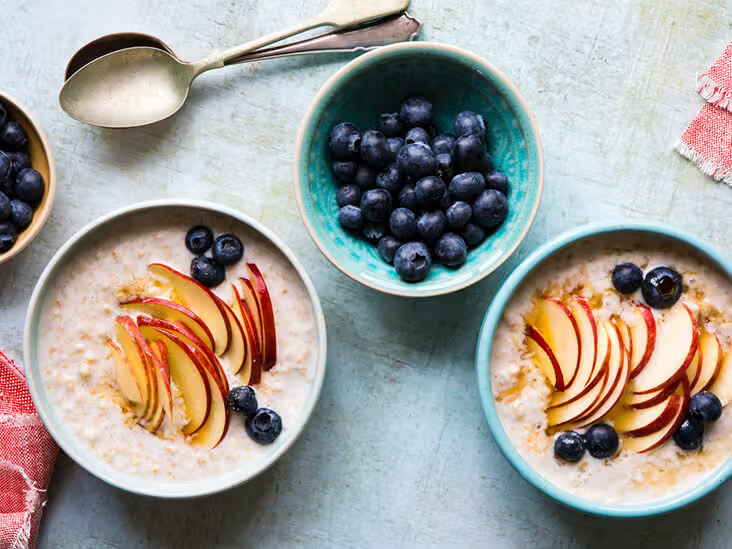
  • Breakfast: Have oatmeal topped with berries or chia seeds.
  • Lunch/Dinner: Add beans or lentils to soups, salads, or chili.
  • Snacks: Snack on an apple, carrots with hummus, or a handful of nuts.
  • Drinks: Choose whole fruit over juice and drink plenty of water.
  • Grains: Switch to whole grains like brown rice and whole-wheat bread. 

Are Mushrooms A Nutritional Powerhouse?

mushrooms

Yes! Mushroom pizza anyone?

Eating shiitake mushrooms regularly is strongly linked to improved health and potential longevity because they support heart health. They promote wellness and longevity by lowering cholesterol, reducing inflammation, providing vital vitamin D, and protecting against age-related cognitive decline. 

Key health benefits and longevity factors associated with shiitake mushrooms include: 

  • Immune System Enhancement: Compounds like lentinan and beta-glucans in shiitake enhance the activity of immune cells, helping the body fight infections and diseases.
  • Heart Health Support: Shiitake mushrooms contain eritadenine and soluble fiber, which help control cholesterol levels. They are also a source of potassium, which helps regulate blood pressure.
  • Rich in Nutrients: They are an excellent source of vitamin D2 (when exposed to sunlight), copper, selenium, and B vitamins.
  • Anti-Aging and Cognitive Protection: Studies suggest that eating mushrooms, including shiitake, may protect against cognitive decline and reduce the risk of Alzheimer’s and Parkinson’s disease due to high antioxidant content.
  • Cancer Fighting Potential: Components in shiitake mushrooms, such as beta-glucans, have been shown to help stop the growth of certain types of cancer and mitigate side effects from treatments.
  • Reduced Mortality Risk: Long-term consumption of mushrooms is associated with lower all-cause mortality, contributing to overall longevity. 

Considerations: While beneficial, some individuals may experience skin irritation or gastrointestinal discomfort (shiitake dermatitis) if eaten raw or in excessive amounts. It is recommended to consume them cooked. 

The Friend Factor: How Your Inner Circle Extends Your Lifespan

friends

Are the people in your life that you are closest to you helping or hurting your health and wellness?

Having healthy friends enhances wellness and longevity by fostering positive behavioral, emotional, and physical changes, reducing premature death risk by up to 50%. They encourage healthier lifestyles, better diets, increased exercise, less smoking—and provide emotional support that lowers stress, reduces inflammation, and strengthens immune responses, ultimately leading to a lower biological age. 

Research into “social contagion” supports the idea that health habits spread through networks similarly to viruses: 

  • Obesity: A landmark study from the Framingham Heart Study found that if a friend becomes obese, your own risk of obesity increases by 45%.
  • Smoking: If a close friend smokes, you are 61% more likely to be a smoker yourself.
  • Happiness: Happiness is also contagious; having a happy friend increases your own likelihood of happiness by roughly 9%, whereas an unhappy friend only drags it down by about 7%.
  • Exercise: Large-scale studies show that when your friends exercise more, you are significantly more likely to increase your own activity levels.

Key Ways Healthy Friends Improve Wellness and Longevity:

  • Behavioral Influence (Social Contagion): Friends with healthy habits encourage similar behaviors. People with fit social circles are more likely to exercise, maintain a healthy body mass index, and avoid smoking or excessive alcohol consumption.
  • Reduced Stress and Better Physiology: Positive social interactions lower stress hormones like cortisol and reduce inflammation, which protects against heart disease and dementia.
  • Enhanced Immune Function: Strong social bonds increase the production of antibodies and boost immune cells, helping the body fight diseases more effectively.
  • Mental and Emotional Resilience: Friends provide companionship that acts as a buffer against depression, anxiety, and loneliness, fostering a sense of purpose and self-worth.
  • Faster Recovery and Survival: Studies show that individuals with strong social networks have higher survival rates for serious illnesses, such as cancer and cardiovascular diseases.
  • Longer Lifespan: A meta-analysis revealed that weak social connections are as detrimental to health as smoking 15 cigarettes a day, making strong friendships a significant factor in longevity. 

Essentially, being surrounded by healthy, supportive, and active people creates a “social scaffolding” that makes sustaining a healthy lifestyle easier and more enjoyable.