Brown Rice is Better For You Than White Rice

rice

From a health and longevity perspective, brown rice is often favored because it is a whole grain. Unlike white rice, which is milled to remove the outer layers, brown rice retains the bran and germ. These layers house the majority of the grain’s fiber, vitamins, and minerals, whereas white rice consists primarily of the starchy endosperm. 

Benefits for Health & Longevity

  • Lower Glycemic Index (GI): Brown rice has a GI of approximately 50 compared to 70 for white rice. This slower digestion prevents sharp blood sugar spikes, reducing the risk of Type 2 diabetes.
  • Heart Health: Regular consumption of whole grains like brown rice is linked to a 16–21% lower risk of heart disease. It can also help lower “bad” LDL cholesterol.
  • Weight Management: The high fiber content—nearly six times more than white rice—promotes satiety (feeling full longer), which aids in weight control and lower BMI.
  • Nutrient Density: It provides significantly more magnesium (vital for metabolism and heart health), potassium, B vitamins, and antioxidants than its refined counterpart.
  • Chronic Disease Prevention: Bioactive compounds like ferulic acid and antioxidants in the bran may help protect against inflammation and certain cancers. 

Tips for Using Brown Rice More

Because of its chewier texture and longer cooking time (about 40–50 minutes), brown rice can be a hurdle for some. Here are tips to make it more palatable and convenient: 

  • Boost the Flavor:
    • Cook in Broth: Swap water for vegetable or chicken broth to add savory depth.
    • Add Aromatics: Sauté garlic, onions, ginger, or spices like turmeric and cumin in a little oil before adding the rice to the pot.
    • Finish with Zest: A squeeze of lemon juice or a dash of salt and pepper at the end can brighten the nuttier flavor.
  • Improve the Texture:
    • Always Rinse: Rinsing removes surface starch and prevents the rice from becoming gummy.
    • The “Pasta” Method: Boil the rice in a large pot of water like pasta for 30 minutes, then drain. This ensures even cooking and helps reduce arsenic levels.
    • Let it Rest: After cooking, let the rice steam off the heat for 10 minutes before fluffing it with a fork.
  • Make it Convenient:
    • Batch Cook: Prepare a large amount at once and freeze it in portions for quick weeknight meals.
    • Versatile Bases: Use it as a base for grain bowls, stir-fries, or to bulk up soups and stews.
    • Try Blends: If the taste is too intense, mix it with white rice or quinoa while transitioning your palate. 

Stoicism: Ancient Wisdom for a Longer Life

calm

How much of your health is being stolen by things you can’t even control? Practicing Stoicism can significantly enhance your health and longevity by providing a mental framework that reduces chronic stress, encourages disciplined physical habits, and fosters emotional resilience. By focusing on internal control rather than external chaos, you create a physiological environment more conducive to long-term well-being. 

Here is how three major Stoic tenets directly impact your health and longevity:

1. The Dichotomy of Control

This core principle teaches you to distinguish between what is within your power (your thoughts and actions) and what is not (external events or others’ opinions). 

  • Health Impact: Constantly worrying about things outside your control—like global news or aging—triggers a chronic stress response. By focusing only on your own actions, you lower cortisol levels, reducing the risk of stress-related conditions like hypertension and heart disease.
  • Longevity: Shifting your energy toward manageable habits, such as nutrition and exercise, ensures more consistent health maintenance over decades. 

2. Temperance (Self-Mastery)

Temperance is the virtue of moderation and self-control, particularly regarding physical desires and impulses. 

  • Health Impact: In a modern context, this translates to avoiding overindulgence in processed foods, alcohol, or sedentary behaviors. Stoic discipline encourages “eating for strength instead of comfort” and maintaining a regular, moderate exercise routine to keep the body efficient and resilient.
  • Longevity: Practicing self-restraint helps prevent metabolic diseases such as obesity and type 2 diabetes, which are primary drivers of shortened lifespans. 

3. Memento Mori (Contemplating Mortality) 

While it sounds morbid, “remembering you will die” is meant to clarify your priorities and keep minor stressors in perspective. 

  • Health Impact: This practice reduces “death anxiety” and the tendency to “suffer imagined troubles”. By accepting the finite nature of life, you are more likely to let go of trivial anger and resentment, which are known to negatively affect cardiovascular health.
  • Longevity: This perspective fosters a sense of gratitude and presence. People with a high sense of purpose and psychological well-being—often gained through this type of reflection—statistically tend to live longer, more active lives. 

Hang In There!

deadhang

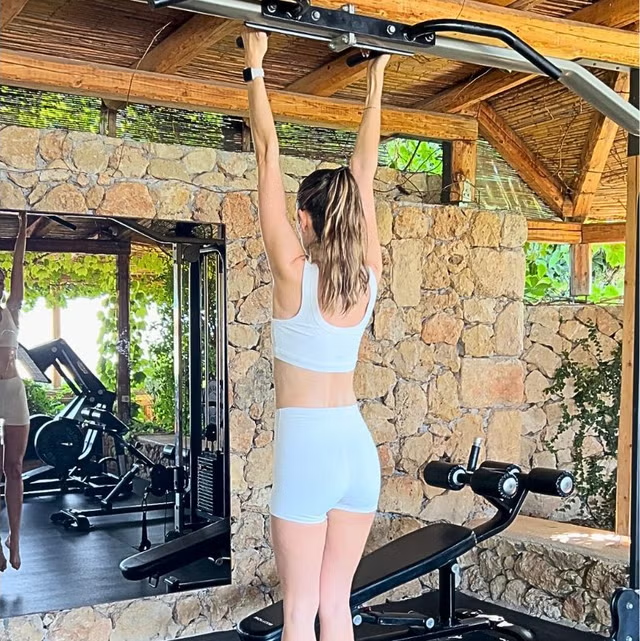
Hanging from a bar, often called a dead hang, is a simple yet powerful functional movement that offers significant benefits for your musculoskeletal health and longevity. It specifically addresses issues caused by modern sedentary lifestyles, such as spinal compression and restricted shoulder mobility. 

Key Advantages for Health

Spinal Decompression: Gravity creates a natural traction that elongates the spine and increases the space between vertebrae. This helps rehydrate intervertebral discs, providing immediate relief from back tightness and potentially alleviating pain from conditions like sciatica or herniated discs.
Shoulder Health and Mobility: Modern life rarely requires overhead movements, leading to stiff shoulders. Hanging stretches the lats, chest, and shoulder ligaments, restoring full range of motion. It is often used as a rehabilitation tool to prevent shoulder impingement by creating more space in the joint.
Posture Correction: Hanging counteracts “tech neck” and rounded shoulders by stretching tight anterior muscles (like the pecs) and activating upper back stabilizers.
Core and Upper Body Stability: Even a “passive” hang requires deep core engagement and stabilizes the shoulder girdle, providing a foundation for more complex pulling movements like pull-ups.
 
Longevity and the “Grip Strength” Connection 

The primary link between hanging and longevity is grip strength. 
Mortality Predictor: Research consistently shows that grip strength is a highly reliable marker of biological age and overall physical resilience. Lower grip strength is associated with higher risks of cardiovascular disease, respiratory illness, and all-cause mortality.
Sarcopenia Prevention: Maintaining grip strength through hanging helps combat sarcopenia (age-related muscle loss), which is a major factor in frailty and loss of independence as people age.
Cognitive Health: Some studies have identified a correlation between high grip strength and better cognitive function, including memory and processing speed. 

Practical Tips for Getting Started

Start Gradually: If you cannot support your full weight, perform assisted hangs by keeping your feet on the ground or a box to control the load on your shoulders.
Passive Hang: Relax your shoulders and let them touch your ears. This is best for spinal decompression and stretching.
Active Hang: Pull your shoulder blades down and back (away from your ears) while engaging your core. This builds strength and stability in the rotator cuff.
Frequency and Duration: Aim for 10 to 30 seconds per hang initially. A common goal for overall health is to accumulate 2 minutes of hanging time throughout the day.
Mind Your Grip: Use an overhand grip (palms facing away) shoulder-width apart. Hook your fingers over the bar rather than clenching tightly to allow for better upper back extension.
Listen to Your Body: Avoid full passive hangs if you have a history of shoulder dislocations or hypermobility; focus on active hangs instead to maintain joint integrity. 

The Optimism Over AI’s Role in Longevity Research

ai

The optimism for AI in healthcare and longevity research centers stems from AI’s ability to solve the “complexity and time” problem that has historically stalled aging research. Here is why experts believe it will be the decisive factor: 

  • Processing Massive Biological Complexity: Human aging involves trillions of interactions across DNA, proteins, and cells. This is far too much data for human researchers to map. AI can identify patterns in “omics” data (genomics, proteomics, etc.) to pinpoint the specific switches that drive cellular decline.
  • Simulating the Future: Aging takes decades, making traditional clinical trials incredibly slow. AI allows for In Silico simulations, where researchers can model how a drug might affect a human over 30 years in just a few days, drastically accelerating the pace of discovery.
  • Predictive Diagnostics: AI is exceptionally good at “seeing” the invisible. It can detect microscopic changes in eye scans, blood patterns, or heart rhythms years before a disease manifests, shifting medicine from reactive (fixing what’s broken) to preventative (stopping the break).
  • Personalization at Scale: There is no one-size-fits-all “anti-aging” pill. AI can analyze your specific genetic makeup and lifestyle to create a personalized longevity protocol, optimizing your unique healthspan rather than relying on general averages.
  • Hyper-Speed Drug Discovery: AI has already proven it can design new molecules and identify existing drugs (like those for transplant rejection or diabetes) that could be repurposed to extend life, cutting the time and cost of drug development by over 50%. 

In April 2026, AI is the primary catalyst shifting longevity research from reactive disease treatment to proactive healthspan optimization. The most promising areas involve using deep learning and generative models to bypass the “time problem” of aging—the fact that human aging takes decades to observe. 

1. AI-Driven Biomarkers (Aging Clocks)

AI models are now capable of quantifying “biological age” as opposed to chronological years, allowing researchers to measure the immediate effectiveness of anti-aging therapies. 

  • Epigenetic Clocks: These use AI to analyze DNA methylation patterns. They can detect biological improvements within weeks of lifestyle or medicinal interventions.
  • Multi-Modal Clocks: Emerging “clocks” integrate diverse data—blood biochemistry, proteomic markers (like PAI-1), and even AI-powered retinal scans—to predict risk for heart and brain decline before symptoms appear.
  • Deep Learning for Imaging: Convolutional Neural Networks (CNNs) are being used to identify “Brain Age Gaps” from MRI scans, helping predict neurodegenerative diseases like Alzheimer’s years in advance. 

2. Generative AI for Drug Discovery & Repurposing

AI is significantly shortening the drug discovery phase, which traditionally takes 3–6 years, by up to two years. 

  • Dual-Purpose Therapeutics: AI identifies “geroprotectors”—drugs that target aging itself while also treating chronic diseases.
  • Drug Repurposing: Using Large Language Models (LLMs) and graph neural networks, researchers are finding new anti-aging uses for existing drugs like Metformin and Rapamycin.
  • De Novo Molecule Generation: Platforms like Insilico Medicine’s Pharma.AI use generative adversarial networks (GANs) to design entirely new molecules from scratch to target aging drivers like cellular senescence. 

3. Digital Twins & Predictive Modeling

“Digital Twins” are virtual biological models of individuals used to simulate how a person will age or respond to a specific treatment. 

  • Virtual Clinical Trials: These allow researchers to run simulations in silico, potentially reducing the need for decades-long human trials.
  • Ambient Health Monitoring: In the “2026 AgeTech ecosystem,” homes are increasingly equipped with invisible AI sensors—embedded in bathrooms (tracking metabolic waste) or kitchens—to feed real-time data into these digital twins for personalized health adjustments. 

Try These Ideas To Eat More Fruit

fru

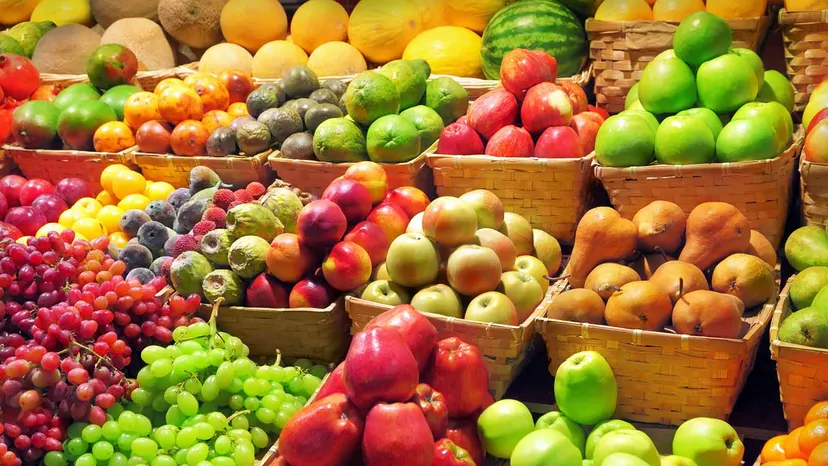
Fruit is considered a cornerstone of longevity because it provides a dense concentration of antioxidants, fiber, and essential micronutrients that collectively lower the risk of chronic age-related diseases. Large-scale studies suggest that consuming approximately two or more servings of fruit per day (alongside three of vegetables) is associated with a significantly lower risk of death from heart disease, respiratory issues, and cancer. 

Key Longevity Mechanisms

  • Oxidative Stress Reduction: Fruits are rich in antioxidants like vitamin C, vitamin E, and polyphenols. These compounds neutralize free radicals—unstable molecules that damage DNA and cellular tissue, which are primary drivers of aging and disease.
  • Chronic Disease Prevention: Regular fruit intake is linked to a reduced risk of the leading causes of death, including cardiovascular disease, type 2 diabetes, and certain cancers. For example, the World Health Organization notes that inadequate fruit and vegetable consumption was responsible for an estimated 3.9 million deaths globally in 2017.
  • Gut Health and Metabolism: The high fiber content in whole fruits supports a healthy gut microbiome and helps stabilize blood sugar. High-fiber diets are specifically linked to longer telomeres—the protective caps on DNA that are major markers of biological age.
  • Anti-Inflammatory Effects: Phytochemicals such as flavonoids (found in berries and citrus) have potent anti-inflammatory properties that protect heart and brain health as we age. 

Top Longevity-Supporting Fruits

Research frequently highlights these specific fruits for their unique anti-aging properties: 

  • Berries: Often cited as the top longevity fruit due to high levels of anthocyanins, which protect brain cells and may lower dementia risk.
  • Apples: Contain soluble fiber (pectin) and quercetin, which support healthy cholesterol levels and cardiovascular function.
  • Citrus (Oranges/Grapefruit): Provide hesperidin and high vitamin C to support immunity and blood glucose regulation.
  • Kiwis: Extremely high in fiber and vitamin E; regular consumption is associated with slower biological aging.
  • Avocados: High in healthy monounsaturated fats and potassium, which improve lipid profiles and heart health. 

Note on Fruit Juice: While whole fruits promote longevity, fruit juice often lacks fiber and can cause blood sugar spikes; studies show it does not offer the same mortality-reduction benefits and may even be linked to higher mortality in some populations

Incorporating fruit into your diet can be done by layering it into meals you already eat, choosing whole fruits for snacks, and using them as natural sweeteners in desserts. Experts recommend filling half your plate with fruits and vegetables, aiming for about 2 cups of fruit daily. 

Breakfast Boosts

  • Topping Staples: Add sliced bananas, berries, or dried cranberries to whole-grain cereal, oatmeal, or plain yogurt.
  • Better Batters: Mix fresh or frozen blueberries, strawberries, or peaches into pancake, waffle, or muffin batter.
  • Fruit Smoothies: Blend fresh or frozen fruit with low-fat milk or yogurt. Adding a handful of spinach provides extra nutrients without changing the sweet flavor. 

Healthy Snacks & Desserts

  • Nature’s Candy: Satisfy sweet cravings by choosing whole fruits like apples or grapes over processed snacks.
  • Homemade Treats:
    • Frozen Delights: Freeze 100% fruit juice in popsicle molds or dip blueberries in yogurt and freeze them for bite-sized snacks.
    • Fruit Nachos: Drizzle warm peanut butter over apple slices and top with nuts and raisins for a nutritious snack.
    • Grilled Fruit: Grill peaches, pineapple, or bananas on low heat until slightly golden to bring out their natural sugars.

Smart Shopping & Prep

  • Accessibility: Keep a bowl of fresh fruit on your counter or at your desk so it is easy to grab when hunger strikes.
  • Frozen and Canned Options: Stock up on frozen fruit, which is often more economical and just as nutrient-dense as fresh. When buying canned fruit, choose varieties packed in water or 100% juice rather than heavy syrup.
  • Portion Management: Be mindful of portion sizes for dried fruits, as they are more concentrated in sugar and calories than fresh fruit.