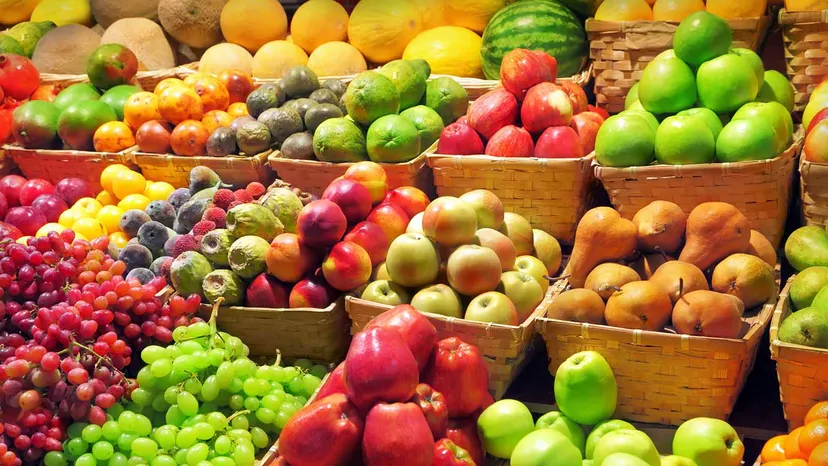
Fruit is considered a cornerstone of longevity because it provides a dense concentration of antioxidants, fiber, and essential micronutrients that collectively lower the risk of chronic age-related diseases. Large-scale studies suggest that consuming approximately two or more servings of fruit per day (alongside three of vegetables) is associated with a significantly lower risk of death from heart disease, respiratory issues, and cancer.
Key Longevity Mechanisms
- Oxidative Stress Reduction: Fruits are rich in antioxidants like vitamin C, vitamin E, and polyphenols. These compounds neutralize free radicals—unstable molecules that damage DNA and cellular tissue, which are primary drivers of aging and disease.
- Chronic Disease Prevention: Regular fruit intake is linked to a reduced risk of the leading causes of death, including cardiovascular disease, type 2 diabetes, and certain cancers. For example, the World Health Organization notes that inadequate fruit and vegetable consumption was responsible for an estimated 3.9 million deaths globally in 2017.
- Gut Health and Metabolism: The high fiber content in whole fruits supports a healthy gut microbiome and helps stabilize blood sugar. High-fiber diets are specifically linked to longer telomeres—the protective caps on DNA that are major markers of biological age.
- Anti-Inflammatory Effects: Phytochemicals such as flavonoids (found in berries and citrus) have potent anti-inflammatory properties that protect heart and brain health as we age.
Top Longevity-Supporting Fruits
Research frequently highlights these specific fruits for their unique anti-aging properties:
- Berries: Often cited as the top longevity fruit due to high levels of anthocyanins, which protect brain cells and may lower dementia risk.
- Apples: Contain soluble fiber (pectin) and quercetin, which support healthy cholesterol levels and cardiovascular function.
- Citrus (Oranges/Grapefruit): Provide hesperidin and high vitamin C to support immunity and blood glucose regulation.
- Kiwis: Extremely high in fiber and vitamin E; regular consumption is associated with slower biological aging.
- Avocados: High in healthy monounsaturated fats and potassium, which improve lipid profiles and heart health.
Note on Fruit Juice: While whole fruits promote longevity, fruit juice often lacks fiber and can cause blood sugar spikes; studies show it does not offer the same mortality-reduction benefits and may even be linked to higher mortality in some populations
Incorporating fruit into your diet can be done by layering it into meals you already eat, choosing whole fruits for snacks, and using them as natural sweeteners in desserts. Experts recommend filling half your plate with fruits and vegetables, aiming for about 2 cups of fruit daily.
Breakfast Boosts
- Topping Staples: Add sliced bananas, berries, or dried cranberries to whole-grain cereal, oatmeal, or plain yogurt.
- Better Batters: Mix fresh or frozen blueberries, strawberries, or peaches into pancake, waffle, or muffin batter.
- Fruit Smoothies: Blend fresh or frozen fruit with low-fat milk or yogurt. Adding a handful of spinach provides extra nutrients without changing the sweet flavor.
Healthy Snacks & Desserts
- Nature’s Candy: Satisfy sweet cravings by choosing whole fruits like apples or grapes over processed snacks.
- Homemade Treats:
- Frozen Delights: Freeze 100% fruit juice in popsicle molds or dip blueberries in yogurt and freeze them for bite-sized snacks.
- Fruit Nachos: Drizzle warm peanut butter over apple slices and top with nuts and raisins for a nutritious snack.
- Grilled Fruit: Grill peaches, pineapple, or bananas on low heat until slightly golden to bring out their natural sugars.
Smart Shopping & Prep
- Accessibility: Keep a bowl of fresh fruit on your counter or at your desk so it is easy to grab when hunger strikes.
- Frozen and Canned Options: Stock up on frozen fruit, which is often more economical and just as nutrient-dense as fresh. When buying canned fruit, choose varieties packed in water or 100% juice rather than heavy syrup.
- Portion Management: Be mindful of portion sizes for dried fruits, as they are more concentrated in sugar and calories than fresh fruit.