Goji Berries and Barberries

goji

Barberries and Goji berries are nutrient-dense “superfoods” rich in antioxidants that offer significant health advantages, including immune system support, improved eye health, reduced inflammation, and better blood sugar regulation. Both are packed with vitamins (A, C), minerals, and fiber, and can be easily incorporated into diets via smoothies, salads, or oatmeal. 

barberry,(berberis,vulgaris),branch,fresh,ripe,berries,natural,green,background

Both of these berries promote longevity primarily through high antioxidant content, reducing oxidative stress, and fighting inflammation, which slows aging. Goji berries support longevity by protecting against DNA damage, boosting immunity, and improving eye health, while barberries contain berberine, which helps manage blood sugar and cholesterol. 

Why Goji Berries (Lycium barbarum) Promote Longevity

  • High Antioxidant Power: They are packed with antioxidants, including zeaxanthin and carotenoids, which protect cells against damage from free radicals and reduce age-related degeneration.
  • Immune System Support: Goji berries contain unique polysaccharides (LBP1, LBP2, LBP3, LBP4) that boost immune cell production and defend against pathogens, strengthening the body’s natural defenses.
  • Age-Related Disease Prevention: Their nutrient density helps with blood lipid-lowering and lowering blood sugar, protecting against chronic conditions like cardiovascular disease and diabetes.
  • Skin and Vision Health: They are known to reduce skin inflammation and provide protective compounds for the retina, protecting against vision decline. 

Why Barberries Promote Longevity

  • Berberine Compound: Barberries are a source of berberine, a compound that acts as a powerful antioxidant and aids in reducing inflammation.
  • Metabolic Health: Barberries help manage metabolic conditions by controlling blood sugar and cholesterol levels.
  • Digestive and Immune Support: They have been used historically to treat infections and improve digestive health. 

Key Shared Benefits

  • Protection against DNA damage: Both help prevent the cellular degradation that leads to accelerated aging.
  • Reduced Chronic Inflammation: Both promote long-term cellular health by combating oxidative stress and inflammation.

Why Parking at the Back of the Lot Is Good for Longevity

park

Parking farther away is an effective, low-impact habit that increases daily step counts, improving cardiovascular health and boosting longevity. This simple, consistent habit helps meet daily exercise goals and provides mental health benefits, contributing to lower mortality risks by building necessary, long-term cardiovascular, and physical strength. 

Here are the health benefits of this habit:

  • Boosts Longevity: Walking just 7,000 steps daily can reduce the risk of premature death by 50% to 70% in middle-aged adults.
  • Reduces Sedentary Time: Parking further away breaks up sedentary behavior, which is linked to a higher risk of early death.
  • Mental Clarity: Short, brisk walks to your destination can reduce stress, improve mood, and enhance mental clarity.
  • Improved Mobility: Regular walking helps lubricate joints and can aid in pain management.
  • Benefits are Incremental: Even an additional 500 to 1,000 steps per day can result in a significant decrease in mortality risk, especially for sedentary individuals.
  • Age Matters: For adults over 60, the benefits of higher step counts in lowering mortality tend to level off around 6,000–8,000 per day, while for adults under 60, the benefits continue to increase up to roughly 8,000–10,000 steps.
  • More is Better (to a point): While 10,000 steps is a common goal, research shows significant longevity benefits start as low as 4,000–5,000 steps per day. 
  • Significant Mortality Reduction: Studies indicate that higher step counts directly correlate with a lower risk of premature death. Individuals who walk more, particularly in the 7,000–10,000 range, have shown a 40–70% lower risk of dying over study periods compared to those with lower step counts.
  • Cardiovascular Health Enhancement: Walking strengthens the heart and enhances vascular function. Regularly hitting higher step counts (around 7,000+) can reduce the risk of heart disease by over 40% and aid in managing blood pressure and cholesterol, notes The Lancet.
  • Metabolic and Weight Control: Increased daily steps are critical for maintaining healthy body weight, improving glucose metabolism, and lowering the risk of type 2 diabetes.
  • Cognitive Preservation: Walking is linked to better cognitive function, with studies showing that higher daily steps (closer to 10,000) can lower the risk of developing dementia.
  • Reduced Chronic Inflammation: Regular walking reduces markers of systemic inflammation (such as C-reactive protein), strengthening immune responsiveness and supporting long-term cellular health.

So the next time you are tempted to circle the parking lot for a close parking space, consider the benefits of parking quickly a little farther away and enjoy the walk.

The Power of Peanuts!

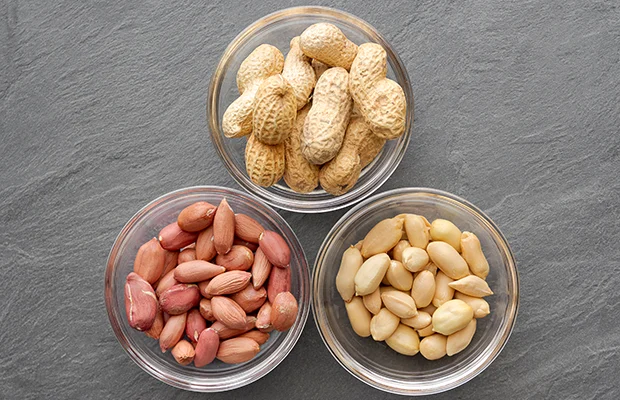
peanuts

Incorporating peanuts into your daily routine is a simple, cost-effective way to fundamentally enhance your long-term health. Far from being just a convenient snack, these nutrient-dense legumes are certified superfoods packed with heart-healthy monounsaturated fats, plant-based protein, and essential fiber. Scientific evidence suggests that regular peanut consumption can significantly reduce the risk of cardiovascular disease, lower “bad” LDL cholesterol, and help manage blood sugar levels due to their low glycemic index. Beyond heart health, peanuts are a powerhouse of over 30 vitamins and minerals—including magnesium, vitamin E, and niacin—along side potent antioxidants like resveratrol that support brain function and cellular longevity.

Why Peanuts Are Nutritious and Healthy:

  • Heart Health: High in monounsaturated and polyunsaturated fats, which help reduce “bad” (LDL) cholesterol and maintain “good” (HDL) cholesterol.
  • Nutrient-Dense: They contain 30+ essential vitamins and minerals, including niacin, vitamin E, magnesium, folate, and copper.
  • High Protein & Fiber: Peanuts have more protein than any other nut, providing a nutritional equivalent to meat and eggs.
  • Bioactive Compounds: They are packed with antioxidants like resveratrol and phenolic acids, which fight inflammation and oxidative stress.
  • Disease Prevention: Regular consumption is linked to a lower risk of diabetes, certain cancers, and neurodegenerative diseases. 

How Peanuts Are Better Than Meat for Longevity:

  • Reduced Mortality Risk: A Harvard Health study found that regular peanut eaters were up to 21% less likely to die of any cause.
  • Lower Heart Risk: Switching from animal fat to the plant-based fat in peanuts helps lower harmful cholesterol.
  • Anti-Inflammatory Properties: Unlike red meat, which can be pro-inflammatory, peanuts contain nutrients that decrease inflammation.
  • Sustainable Protein: The Peanut Institute states that plant-based proteins like peanuts have a smaller environmental impact and are associated with lower cardiovascular disease mortality compared to animal-based proteins.
  • Blood Vessel Health: Arginine, an amino acid in peanuts, relaxes blood vessels and improves blood flow. 

Tips for Maximum Health Benefits:

  • Eat peanuts with their skins to double the antioxidant capacity.
  • Try for unsalted or lightly salted peanuts to avoid excess sodium.
  • Replace less healthy snacks (e.g., chips, cookies) with a small handful of peanuts (roughly 1 ounce) 5+ times a week for maximum benefit

Live Longer by Lowering Your Salt Intake

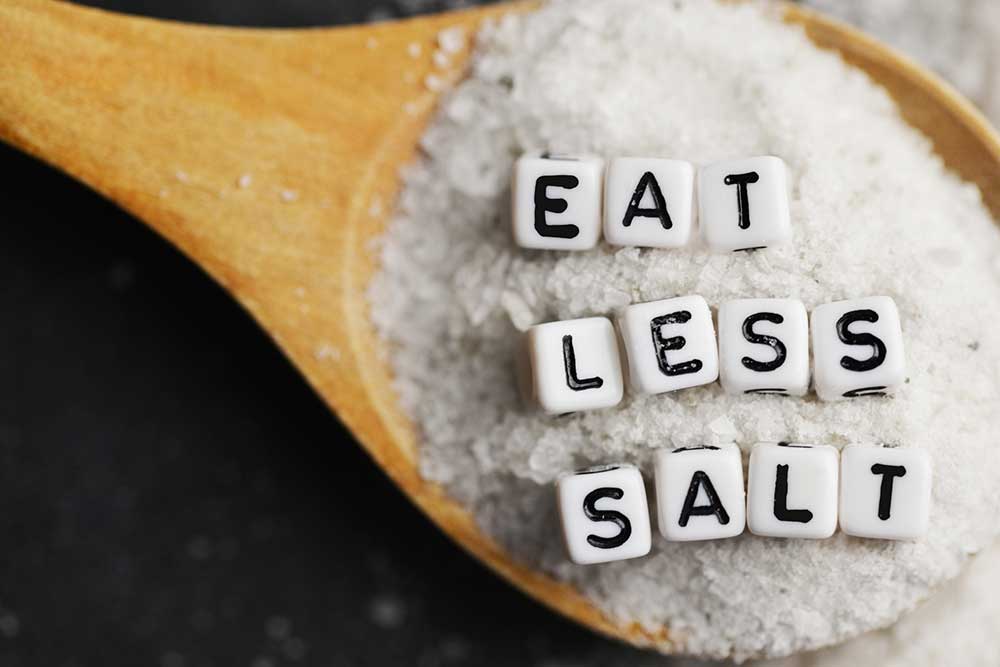
salt

Reducing sodium intake improves longevity by lowering blood pressure, which reduces the strain on the heart and arteries, decreasing risks of stroke, cardiovascular disease, and chronic kidney disease. High salt acts like a sponge, increasing blood volume and stiffening arteries, which leads to damage. 

Key Reasons Reducing Sodium Increases Longevity:

  • Blood Pressure Management: Lowering sodium intake can reduce blood pressure by 5–6 points if you have hypertension, and helps prevent its development.
  • Reduced Cardiovascular Risk: High salt consumption causes blood vessels to stiffen, limiting their ability to dilate, which damages the endothelial lining and increases the risk of stroke and heart attack.
  • Kidney Health: High salt intake increases the risk of kidney disease and damage, and lowering it protects renal function.
  • Reduced Mortality Rates: Studies estimate that reducing sodium intake could lead to a significant drop in annual cardiovascular deaths and increase life expectancy. 

Reducing sodium intake is best achieved by cooking more meals at home using fresh ingredients, checking nutrition labels for low-sodium options (<5% DV), rinsing canned goods, and using herbs, spices, or citrus for flavor instead of salt. Processed, pre-packaged, and restaurant foods are primary sodium sources, so limiting them is key to a healthier diet. 

Simple Ways to Reduce Sodium:

  • Check Labels: Compare products and select those labeled “low sodium,” “reduced sodium,” or “no salt added”.
  • Cook at Home: Prepare meals from scratch to control salt, rather than relying on frozen dinners or mixes.
  • Boost Flavor Without Salt: Use herbs, spices, garlic, onion, ginger, lemon juice, or vinegar to enhance flavor.
  • Rinse Canned Goods: Rinse canned beans, vegetables, and fish to remove excess sodium.
  • Limit Condiments: Use fewer sauces (soy sauce, ketchup), dressings, and dips, which are high in hidden sodium.
  • Choose Fresh Ingredients: Opt for fresh poultry, fish, and vegetables over cured, smoked, or canned versions.
  • Order Smart: At restaurants, ask for food to be prepared without salt or request sauces/dressings on the side.
  • Gradual Adjustment: Slowly reduce salt in recipes to allow your taste buds to adapt. 

For more specific, actionable advice on reducing sodium, you can explore resources from the Centers for Disease Control and Prevention or the U.S. Food and Drug Administration.

Health Benefits of Eating Onions

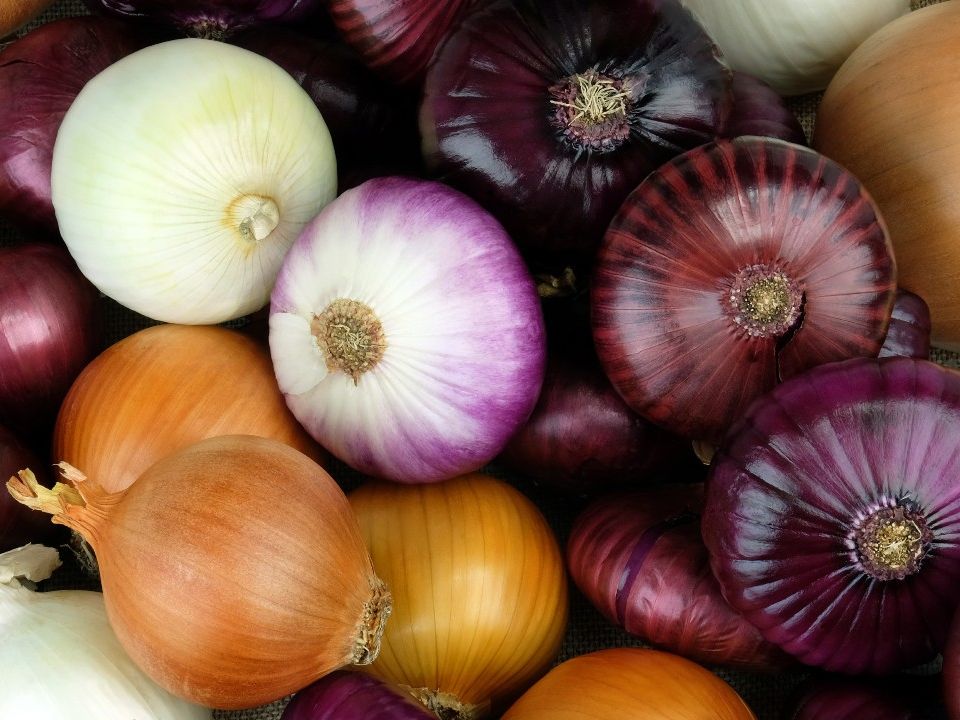
onion

Often dismissed as mere culinary staples, onions are actually nutrient-dense “hidden superfoods” capable of significantly boosting overall health. Packed with potent antioxidants like quercetin, high-fiber prebiotics, and essential compounds, regular onion consumption is linked to improved heart health, stronger immune systems, better blood sugar regulation, and reduced inflammation. By integrating more onions—raw or cooked—into your daily meals, you can take a simple, natural step toward preventing chronic diseases and improving your body’s longevity.

Onions are packed with health-promoting compounds, particularly quercetin and sulfur, offering significant benefits for long-term health, fitness, and longevity. They boost immunity, reduce chronic inflammation, enhance heart health, and regulate blood sugar. Their nutrient profile supports muscle recovery and weight management, promoting overall metabolic longevity. 

Key Health & Fitness Benefits

  • Heart Health & Metabolism: Onions can lower “bad” (LDL) cholesterol and reduce triglycerides, which helps prevent heart disease and strokes. They are also known to improve blood sugar regulation, enhancing insulin sensitivity, which is beneficial for metabolic health and fat management.
  • High Antioxidant & Immune System Booster: Rich in Vitamin C and over 17 types of flavonoids, including quercetin, onions help fight free radicals, reduce oxidative stress, and fight inflammation.
  • Reduced Obesity Risk & Weight Control: Studies indicate that onion consumption, due to high fiber and quercetin content, can aid in reducing visceral abdominal fat, making them a useful addition to a fitness-focused diet.
  • Digestive & Bone Health: As a natural prebiotic, onions improve digestion and gut health. Research has also linked regular consumption (daily) with improved bone density and reduced risk of hip fractures in older adults. 

Longevity & Disease Prevention

  • Cancer-Protective Compounds: The sulfur compounds in onions are associated with reduced risk of several cancers, including gastric, ovarian, and colorectal cancers.
  • Antibacterial Properties: Onions possess natural antibiotic qualities that help protect the body against bacteria such as E. coli and Staphylococcus aureus.
  • Long-Term Wellness: Because of their anti-inflammatory and vascular-protective properties, daily consumption is associated with decreased cardiovascular risks and improved long-term vitality. 

Maximizing Benefits

  • Raw vs. Cooked: Eating onions raw provides the highest levels of sulfur compounds. However, light cooking (like sautéing) does not destroy all benefits, and cooking actually increases the availability of certain nutrients, like quercetin, in the body.
  • All Varieties Help: Red onions specifically contain anthocyanins, which are potent antioxidants.