Are You Getting Enough Antioxidants? Why Food Beats Pills

ao

From a wellness and longevity perspective, you can—and should—get enough antioxidants from a diverse, colorful diet rather than supplements. High-dose antioxidant supplements often show no benefit in studies and can be harmful, interfering with natural cellular processes, increasing all-cause mortality risk, and blunting exercise adaptation. 

Antioxidants: Diet vs. Supplements

  • Dietary Sources: Fruits, vegetables, nuts, and whole grains provide a complex, synergistic mix of antioxidants (like vitamins C, E, and polyphenols) that protect against disease.
  • Supplements: Generally, studies show that antioxidant supplements do not mimic the longevity benefits found in whole foods. Supplements are only recommended for correcting specific, diagnosed deficiencies. 

Dangers of Antioxidant Supplements

  • Too Much is Harmful: High doses can overwhelm the body’s natural antioxidant defense systems, acting paradoxically as pro-oxidants that damage healthy cells.
  • Reduced Effectiveness of Exercise: Antioxidant supplements (like C+E) can blunt the health improvements and mitochondrial adaptations normally brought about by physical exercise.
  • Increased Mortality/Disease Risk: Some studies have shown that high-dose Vitamin E can increase overall mortality risk, while high doses of certain antioxidants might increase cancer risks or interfere with cancer treatments like chemotherapy. 

For optimal longevity, focus on a whole-food diet and avoid high-dose antioxidant supplementation without a doctor’s recommendation.

Do You Know Your eGFR Number?

egfr

Knowing your estimated glomerular filtration rate (eGFR)—a number indicating how well your kidneys filter blood—is crucial for early detection of kidney disease, which often shows no symptoms until advanced stages. Because kidney damage is generally irreversible, knowing this score allows for proactive lifestyle changes and treatments that can slow or stop the progression to kidney failure, directly impacting long-term health and survival. 

Why You Should Know Your eGFR

  • Silent Nature of Kidney Disease: Roughly 37 million U.S. adults may have Chronic Kidney Disease (CKD), yet nearly 90% are unaware of it because symptoms (like fatigue, swelling, or nausea) usually appear only in later stages.
  • Early Intervention: An eGFR test can detect kidney issues early. Catching a decline at stage 1 or 2 allows you to implement protective habits before significant, irreversible damage occurs.
  • Monitoring Health Trends: A single eGFR reading is less important than the trend over time. Knowing your numbers enables you to track whether your kidney function is stable, decreasing slowly, or falling rapidly.
  • Identifying Risk Factors: If you have diabetes, hypertension, a family history of kidney disease, or are over 50, you are at higher risk, making regular eGFR monitoring essential to prevent severe complications. 

Importance to Health and Longevity

  • Preventing Kidney Failure: An eGFR below 60 for three months or more indicates CKD, while a score below 15 suggests kidney failure, requiring dialysis or a transplant. Early awareness helps avoid these outcomes.
  • Cardiovascular Protection: Your kidneys and heart are deeply connected. A low eGFR (below 60) is a risk factor for cardiovascular disease, as damaged kidneys struggle to manage fluid, increase blood pressure, and cause toxic buildup that damages vessels.
  • Improved Medication Management: Doctors use your eGFR to calculate the correct dosage for many medications, preventing kidney damage from drug toxicity.
  • Maintaining Vitality and Function: By keeping your kidneys healthy through monitoring and lifestyle, you prevent complications like anemia, bone disease, and electrolyte imbalances that negatively affect longevity. 

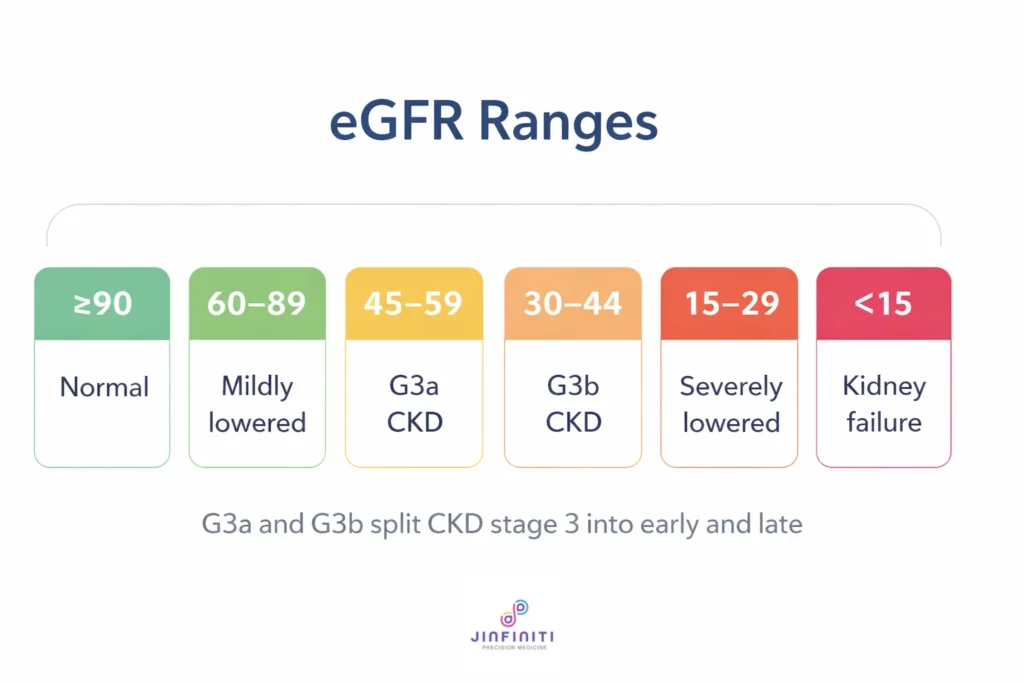
What Your Score Means (mL/min/1.73 m²) 

  • 90 or higher: Normal or high function.
  • 60–89: Mildly decreased function (early-stage kidney disease possible).
  • 15–59: Kidney disease (moderate to severe).
  • Below 15: Kidney failure. 

Steps to Take Based on Your Score
If your eGFR is below 60 for three months or more, you should see a nephrologist. To protect your kidney function: 

  • Control Blood Pressure and Sugar: High blood pressure and diabetes are the leading causes of kidney disease.
  • Manage Diet: Limit sodium (salt) and excessive animal protein.
  • Stay Hydrated: Proper fluid intake helps kidneys function without straining.
  • Avoid Overuse of NSAIDs: Avoid non-steroidal anti-inflammatory drugs like ibuprofen and naproxen, which can cause kidney damage.
  • Stop Smoking: Smoking reduces blood flow to the kidneys. 

Zone 5 Training and Why You Need It

z5

Zone 5 cardio—defined as operating at 90%–100% of maximum heart rate—is a high-intensity, anaerobic form of exercise that is crucial for longevity because it maximizes VO₂ max, a key indicator of cardiovascular health and reduced mortality risk. It is often referred to as “interval training” or “all-out” effort, intended to be maintained only for short bursts. 

Popular Ways to Reach Zone 5 Cardio

Zone 5 is best achieved through short, intense, anaerobic bursts (HIIT) followed by recovery periods. 

  • Sprint Intervals: High-intensity sprinting (running, cycling, or rowing) for 30–60 seconds, followed by 90 seconds to 3 minutes of rest.
  • Norwegian 4×4 Protocol: Four minutes at maximum intensity (90–95% of max heart rate) followed by three minutes of light exercise, repeated four times.
  • Airdyne/Assault Bike: Using an air bike for high-intensity, low-impact full-body effort.
  • High-Intensity Circuit Training: Performing exercises like burpees, rowing, or mountain climbers at maximum speed with minimal rest.
  • Steep Hill Running/Cycling: Using inclines to force the heart into its peak range rapidly. 

Importance for Longevity and Healthspan

  • Maximized VO₂ Max: Zone 5 is the most effective method for driving up VO₂ max, which is directly linked to a significant reduction in all-cause mortality.
  • Strengthens the Heart: It forces the heart to work at its maximum capacity, increasing cardiac output and stroke volume (blood pumped per beat).
  • Metabolic Boost (EPOC): Known as “afterburn,” Zone 5 creates an oxygen debt that keeps the metabolism elevated for hours after the workout, enhancing fat-burning and insulin sensitivity.
  • Fast-Twitch Muscle Retention: It recruits fast-twitch muscle fibers that are typically lost during the aging process, helping maintain power and functional strength.
  • Lactate Clearance: It improves the body’s ability to buffer and clear lactic acid, delaying fatigue in daily life activities. 

Best Practices for Zone 5

  • Low Volume: Experts recommend treating Zone 5 as “icing on the cake” (1–2 times per week) after building a solid base with Zone 2 training.
  • Recovery: A full 24–48 hours of recovery is recommended between Zone 5 sessions to avoid burnout and chronic stress.
  • “Talk Test”: You should be breathing hard and unable to speak more than a word or two in this zone. 

How A Fitness Tracker Can Help Improve Longevity

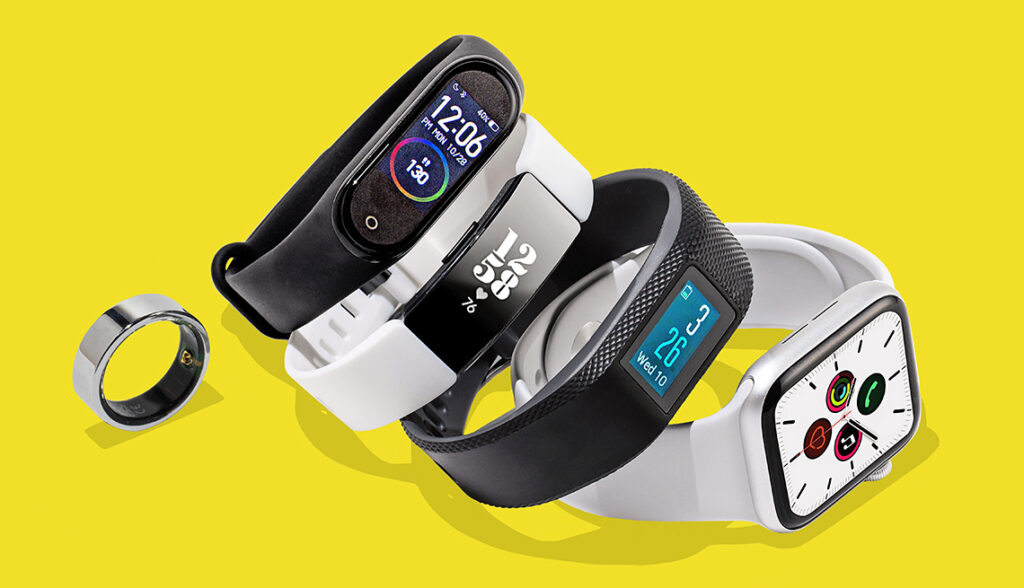
five types of fitness trackers are pictured. from left to right

Fitbits and similar devices have become quite popular recently and wearing one has many benefits for your health. Wearing a fitness tracker encourages a more active lifestyle by providing real-time data on daily steps, heart rate, and workout intensity, which can lead to improved cardiovascular health and weight management. These devices also offer personalized insights into sleep quality and recovery, helping you hold yourself accountable to health goals and stay motivated through activity.

Fitness trackers support longevity by boosting physical activity (more steps, minutes), improving sleep, and providing early warnings for potential heart issues (AFib, high/low HR), leading to healthier habits, better body composition (less weight/fat), and reduced disease risk, though accuracy varies and requires medical follow-up for significant health changes. They create awareness, encourage goal-setting, and can motivate consistent healthy routines that extend “healthspan” and potentially lifespan. 

Key Longevity Benefits

  • Increased Physical Activity: Trackers motivate users to walk more, hit step goals, and meet recommended activity levels, reducing risks of chronic diseases.
  • Heart Health Monitoring: Alerting users to irregular heartbeats (like Atrial Fibrillation) or unusual heart rates can prompt early medical consultation, preventing severe events like stroke.
  • Improved Sleep Quality: Monitoring sleep patterns (duration, cycles) helps users understand and improve rest, crucial for overall health and recovery.
  • Metabolic & Weight Management: Increased activity and awareness can lead to weight loss, reduced body fat, and better cholesterol/blood sugar control (when combined with data).
  • Stress & Recovery Insights: Tracking Heart Rate Variability (HRV) shows stress levels and recovery, helping users manage training and rest better. 

How They Work for Longevity

  • Data & Awareness: They provide continuous, objective data (steps, HR, sleep) that builds self-awareness, making health metrics tangible.
  • Motivation & Accountability: Gamification, reminders, and social sharing encourage consistent behavior changes that stick long-term.
  • Early Warning System: They flag deviations from your personal baseline, prompting you to seek professional advice for potential problems before they become severe. 

Important Considerations

  • Medical Validation Needed: Device data isn’t a substitute for a doctor; use it as a tool for discussion with your healthcare provider.
  • Sustained Use: Novelty can fade; long-term benefits require sustained use and setting evolving goals

Deep Squats

deep squat

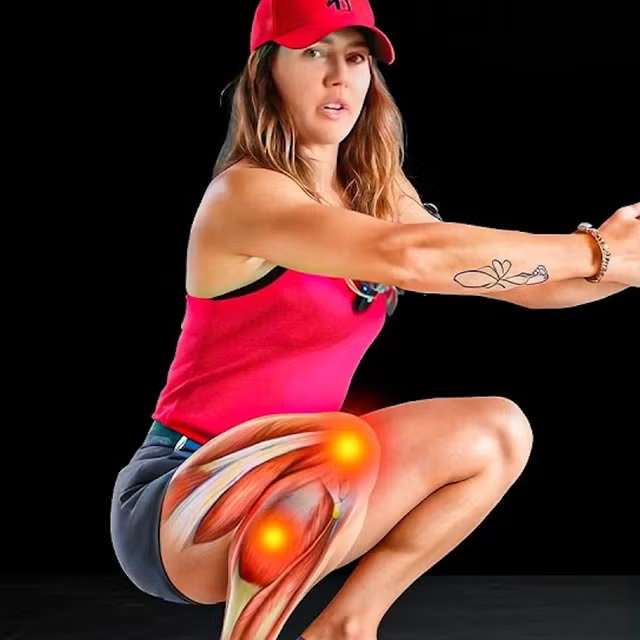
Practicing the deep squat enhances longevity by building critical lower-body strength, improving joint mobility, and enhancing balance, which directly prevents age-related functional decline and falls. As a natural, full-body movement, it combats sedentary-induced muscle atrophy (sarcopenia), increases bone density, and promotes blood flow. It is a foundational move for independence in daily life. 

Here is how the deep squat contributes to longevity:

  • Improved Joint Health and Stability: Deep squats maintain mobility in the hips, knees, and ankles through a full range of motion. This prevents the stiffening associated with aging.
  • Preventing Falls and Increasing Independence: Regular squatting strengthens the glutes, quads, and calves, essential for rising from a low seat, navigating stairs, and keeping balance, which significantly reduces the risk of injuries from falls.
  • Combating Muscle Loss (Sarcopenia): Squats target the largest muscle groups, which improves metabolic health and prevents the muscle loss that occurs with age.
  • Enhanced Mobility and Core Strength: The deep squat requires and trains a healthy, mobile lower back, core, and increased ankle flexibility, fostering functional movement throughout life.
  • Increased Bone Density: As a weight-bearing exercise, deep squats help stimulate bone growth, which is essential to prevent osteoporosis.
  • Natural Mobility and Circulation: Studies show that deep squatting acts as “active rest,” engaging muscle activity that aids circulation and fights the negative effects of prolonged chair-sitting.

Deep squats offer significant, full-body benefits by increasing functional strength, boosting joint mobility, and enhancing flexibility. They strengthen muscles through a greater range of motion—engaging quads, glutes, and core—while improving hip and ankle flexibility. This natural movement helps alleviate lower back pain and strengthens knee stability. 

Key Health and Physical Benefits:

  • Improved Mobility and Flexibility: Deep squats directly target stiff hips and improve ankle flexibility by stretching the Achilles tendon.
  • Increased Muscle Strength: They provide superior activation of the quadriceps, hamstrings, and glutes compared to shallow squats, enhancing muscle growth and functional power.
  • Enhanced Joint Health: Contrary to outdated beliefs, deep squats make knees more resilient and stable by reinforcing ligaments, rather than damaging them.
  • Back Pain Relief: Regularly holding a deep squat can stretch the spine and alleviate pressure, reducing lower back stiffness, particularly in those who sit often.
  • Better Digestive Health: The deep squat position helps in better elimination by relaxing the pelvic floor and aligning the body.
  • Improved Posture and Balance: They activate deep core muscles, building a strong base that improves stability and reduces injury risk. 

How to Incorporate Them:

  • Start Safely: Use support if needed (like holding a doorframe) and prioritize keeping your heels on the ground.
  • Start Small: Begin by sitting in a shallow position and gradually increase the depth over several weeks.
  • Add it to Daily Life: Try a “resting squat” while waiting or doing tasks to increase time in the position.