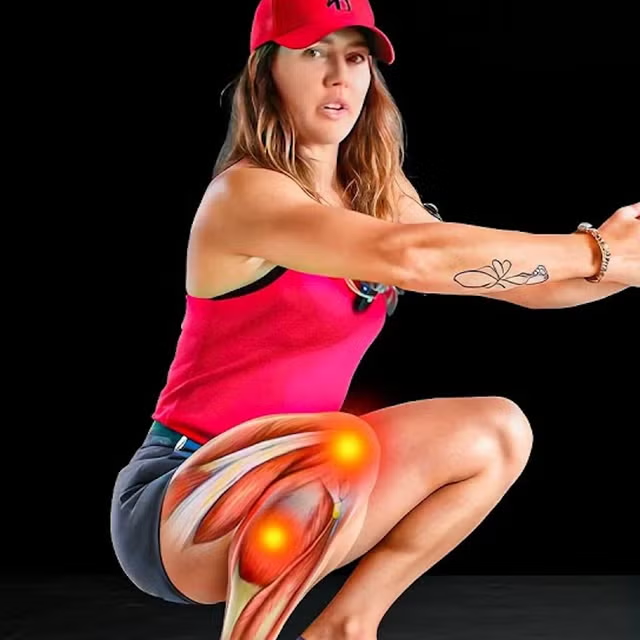
Practicing the deep squat enhances longevity by building critical lower-body strength, improving joint mobility, and enhancing balance, which directly prevents age-related functional decline and falls. As a natural, full-body movement, it combats sedentary-induced muscle atrophy (sarcopenia), increases bone density, and promotes blood flow. It is a foundational move for independence in daily life.
Here is how the deep squat contributes to longevity:
- Improved Joint Health and Stability: Deep squats maintain mobility in the hips, knees, and ankles through a full range of motion. This prevents the stiffening associated with aging.
- Preventing Falls and Increasing Independence: Regular squatting strengthens the glutes, quads, and calves, essential for rising from a low seat, navigating stairs, and keeping balance, which significantly reduces the risk of injuries from falls.
- Combating Muscle Loss (Sarcopenia): Squats target the largest muscle groups, which improves metabolic health and prevents the muscle loss that occurs with age.
- Enhanced Mobility and Core Strength: The deep squat requires and trains a healthy, mobile lower back, core, and increased ankle flexibility, fostering functional movement throughout life.
- Increased Bone Density: As a weight-bearing exercise, deep squats help stimulate bone growth, which is essential to prevent osteoporosis.
- Natural Mobility and Circulation: Studies show that deep squatting acts as “active rest,” engaging muscle activity that aids circulation and fights the negative effects of prolonged chair-sitting.
Deep squats offer significant, full-body benefits by increasing functional strength, boosting joint mobility, and enhancing flexibility. They strengthen muscles through a greater range of motion—engaging quads, glutes, and core—while improving hip and ankle flexibility. This natural movement helps alleviate lower back pain and strengthens knee stability.
Key Health and Physical Benefits:
- Improved Mobility and Flexibility: Deep squats directly target stiff hips and improve ankle flexibility by stretching the Achilles tendon.
- Increased Muscle Strength: They provide superior activation of the quadriceps, hamstrings, and glutes compared to shallow squats, enhancing muscle growth and functional power.
- Enhanced Joint Health: Contrary to outdated beliefs, deep squats make knees more resilient and stable by reinforcing ligaments, rather than damaging them.
- Back Pain Relief: Regularly holding a deep squat can stretch the spine and alleviate pressure, reducing lower back stiffness, particularly in those who sit often.
- Better Digestive Health: The deep squat position helps in better elimination by relaxing the pelvic floor and aligning the body.
- Improved Posture and Balance: They activate deep core muscles, building a strong base that improves stability and reduces injury risk.
How to Incorporate Them:
- Start Safely: Use support if needed (like holding a doorframe) and prioritize keeping your heels on the ground.
- Start Small: Begin by sitting in a shallow position and gradually increase the depth over several weeks.
- Add it to Daily Life: Try a “resting squat” while waiting or doing tasks to increase time in the position.