Are You Getting Enough Sunlight?

sunlight

Daily, moderate sunlight exposure offers significant wellness and longevity benefits, primarily by boosting vitamin D production, regulating sleep patterns, and enhancing mood and mental health. Numerous studies show that more sun exposure, or higher UV light exposure, is linked to lower risks of death from all causes, heart disease (CVD), and some cancers, with sun-seekers often living longer than those who avoid the sun, though excessive exposure still risks skin cancer.

Key Findings from Research:

  • Lower All-Cause Mortality: People with more sun exposure, even using tanning beds, often live longer, with significant reductions in overall death rates compared to sun-avoiders.
  • Reduced Cardiovascular Risk: More sunlight exposure is linked to lower death rates from cardiovascular diseases.
  • Improved Cancer Prognosis: While sun increases skin cancer risk, adequate exposure can improve the prognosis for existing cancers, lowering cancer-related death, likely via Vitamin D’s role in immunity.
  • Benefits for Other Diseases: Higher UV exposure is also associated with lower mortality from non-cancer, non-CVD causes like diabetes. 

Potential Reasons:

  • Vitamin D: Sunlight helps the body produce Vitamin D, crucial for immune function and reducing cancer progression.
  • Nitric Oxide Release: Sunlight releases nitric oxide in the skin, which relaxes blood vessels, lowering blood pressure.
  • Circadian Rhythms: Daytime light exposure helps regulate circadian rhythms, which protect against negative health effects. 

Important Consideration:

  • Balance is Key: The findings highlight benefits of moderate sun, but emphasize the need to balance risks, as prolonged UV exposure still increases skin cancer incidence. Public health messaging is evolving to reflect these complexities. 
Stand Up Without Using Your Hands

sitstand

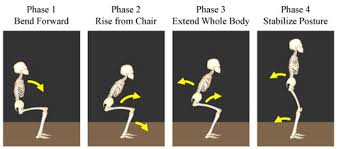
This is a great way to incorporate a simple move into your daily routine that will help keep you strong. Getting up from a chair without using hands (the “sit-to-stand” movement) builds core strength, improves balance, and boosts longevity by forcing, rather than allowing, the body to use its core, glutes, and quadriceps. No gym required!

How It Benefits Your Core and Longevity

  • Maximizes Core Activation: Without arm support, your abdominal, back, pelvic, and gluteal muscles must stabilize the spine, creating intense, functional, core engagement.
  • Improves Balance and Agility: The movement requires coordination and stability, which directly translates to improved balance and prevents falls.
  • Predicts Longevity: The ability to sit and rise without support (sometimes called the sitting-rising test) is a strong indicator of cardiovascular health and musculoskeletal fitness, with higher scores strongly associated with better survival rates.
  • Builds Functional Strength: It strengthens the quads, hamstrings, and glutes, essential for maintaining daily mobility and independence as you age.
  • Enhances Joint Mobility: It improves the range of motion in the hips, knees, and ankles. 

How to Practice Safely
Start by sitting on a chair, feet flat on the floor, and cross your arms over your chest. Use your core and leg muscles to stand up, ensuring your knees stay aligned with your toes. For safety, you can place a sturdy chair against a wall.

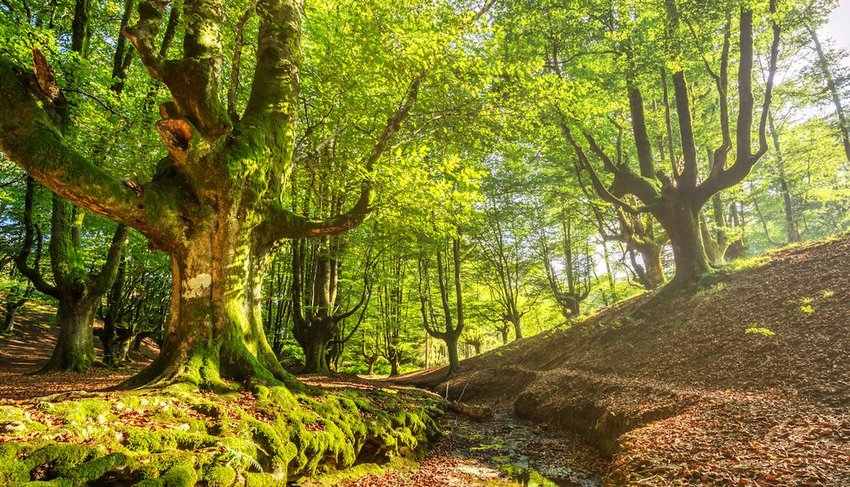
Longevity Benefits of Forest Bathing

forest


Shinrin-yoku (森林浴), commonly known as “forest bathing,” is a Japanese practice of mindfully immersing oneself in a natural environment to promote physical and psychological well-being. It is a form of preventative healthcare that emerged in Japan in the 1980s and has since gained global recognition as a nature therapy.

Forest bathing offers a wide range of wellness benefits that promote overall health and may contribute to longevity by mitigating risk factors for various diseases.

Key Wellness and Longevity Benefits

  • Stress Reduction: Forest bathing consistently lowers levels of stress hormones like cortisol, adrenaline, and noradrenaline. This reduction in chronic stress helps regulate the autonomic nervous system, promoting a “rest and recover” state (parasympathetic activity) over the “fight-or-flight” response (sympathetic activity).
  • Enhanced Immune Function: Inhaling phytoncides, the natural organic compounds emitted by trees, increases the number and activity of human Natural Killer (NK) cells. These cells are crucial for fighting off tumors and virus-infected cells, and their increased activity has been shown to last for up to 30 days after a forest visit, suggesting a potential preventive effect against some cancers.
  • Improved Cardiovascular Health: The practice has been scientifically linked to lower blood pressure and heart rate. By reducing these metrics and regulating the nervous system, forest bathing helps lower the risk of hypertension, heart disease, and related conditions like stroke.
  • Better Mental Health and Cognitive Function: Spending time in nature improves mood, increases vigor, and reduces symptoms of anxiety, depression, anger, fatigue, and confusion. It also enhances cognitive function, attention span, memory, and creativity by allowing the prefrontal cortex of the brain to rest from mental fatigue caused by modern, urban environments.
  • Improved Sleep Quality: Exposure to natural light and the calming environment can help regulate circadian rhythms, leading to better and more restful sleep.

Other Physiological Effects

  • Reduced inflammation: Exposure to phytoncides has been linked to decreased inflammatory markers in the body.
  • Better controlled BMI and blood glucose: Some studies suggest a potential benefit in managing BMI and decreasing blood glucose levels in diabetic patients.
  • Potential for disease prevention: The combination of lower stress, improved immune response, and better cardiovascular health contributes to a reduced risk of various non-communicable diseases, a key factor in promoting longevity. 

Regular forest bathing acts as a form of preventive medicine, supporting overall well-being and resilience against modern-day stressors and related chronic diseases. 

How To Practice

You don’t need a deep wilderness to reap these benefits; an urban park or nature preserve is often sufficient. 

Method: Walk slowly, silence your phone, and focus intentionally on the sights, scents, and sounds around you.
Time: Aim for at least 20 to 30 minutes for a noticeable drop in stress, though 2 hours a week is recommended for sustained well-being.

Warm Up Your Winter: Ideas to Boosting Mood and Longevity

winter


Spring is near but if winter time has a negative affect on your well being there are several things you can try to counter this.

To counteract low winter moods, focus on maximizing light exposure, consistent physical activity, and social connection. Use a 10,000-lux light box for 20–30 minutes in the morning, get daily outdoor daylight, and take Vitamin D supplements. Maintain a strict sleep schedule, exercise regularly, and plan engaging activities to boost serotonin and endorphins. 

Light & Environmental Adjustments

  • Light Therapy Boxes: Use a 10,000-lux lightbox for 20-30 minutes each morning to simulate sunlight.
  • Maximize Natural Light: Open curtains immediately upon waking, sit near windows, and walk outside during the day.
  • Brighten Your Environment: Use higher-wattage, warm-toned light bulbs to create a brighter indoor atmosphere. 

Physical Activity & Nutrition

  • Move Daily: Engage in at least 30 minutes of moderate exercise to increase endorphins and reduce stress. Activities like yoga, hiking, or even walking can significantly improve mood.
  • Nutrient-Dense Diet: Focus on protein-rich foods (meats, eggs, nuts) to boost serotonin and tryptophan levels.
  • Vitamin D Support: Consult a doctor about Vitamin D supplements, which are crucial due to decreased sun exposure.
  • Hydration: Drink plenty of water, as people tend to drink less during cold weather. 

Mental Wellness & Lifestyle

  • Socialize: Combat isolation by staying connected with friends and family, or by volunteering, which can be highly uplifting.
  • Establish Routines: Maintain a consistent sleep-wake cycle to regulate your circadian rhythm.
  • Plan Ahead: Create milestones, such as planning a trip or learning a new skill, to give you something to look forward to and break up the monotony.
  • Mindfulness: Practice meditation or journaling to manage stress. 

Blue Spaces: The Longevity Benefits of Walking by the Water

bluespaces

Walking near water, known as engaging with “blue spaces,” boosts health and longevity by reducing stress, improving mental well-being, and promoting physical activity. The calming, natural environment lowers blood pressure and heart rates, while providing Vitamin D. Studies show living within 250 meters of water reduces the risk of dying by 12–17%. 

Physical Health Benefits

  • Encourages Activity: Waterfronts provide, trails, and paths that encourage regular walking, cycling, and movement.
  • Cardiovascular Health: The calming effect of water reduces stress, leading to lower blood pressure and improved heart health.
  • Vitamin D Synthesis: Coastal areas provide increased sunlight, improving Vitamin D levels for immune function and bone health.
  • Improved Sleep: Regular, calming walks in these environments can aid in better sleep patterns. 

Mental Health

  • “Blue Mind” Effect: The sight and sound of water induce a meditative state (Blue Mind), which reduces anxiety, lowers cortisol, and boosts mood.
  • Reduced Stress: Natural water environments filter out urban noise and pollution, promoting relaxation and mental rejuvenation.
  • Cognitive Benefits: Walking near water can increase mental stamina, focus, and working memory. 

Longevity

  • Blue Zones Connection: Many regions known for extreme longevity (e.g., Okinawa, Ikaria) are located near water, supporting the link between blue spaces and longer, healthier lives.
  • Consistent Access: Regular exposure to water, rather than occasional, offers the best long-term mental and physical benefits. 

Why “Blue Spaces” Work

The calming, often meditative, nature of water acts as a “cure” for the overstimulated mind, providing a sensory, restorative experience that encourages mindfulness. Even just visiting water features like lakes, rivers, or fountains can provide these mental health, relaxation, and physical benefits.