Why Flexible Hips Are the Secret to Staying Active for Life

hips

Are tight hips holding back your fitness progress? Maintaining flexible and mobile hips is vital for wellness and longevity because it directly impacts mobility, pain reduction, and functional independence, especially as we age. Flexible hips ensure better posture, balance, and reduced strain on the lower back, knees, and ankles.

Key Reasons for Maintaining Flexible Hips:

  • Pain Prevention: Tight hips often lead to compensatory movement patterns, causing pain in the lower back, knees, and ankles.
  • Improved Posture and Alignment: Flexible hips help the pelvis maintain a neutral position, which aligns the spine and reduces chronic pain.
  • Functional Longevity and Balance: Mobility in the hip joint is essential for walking, stair climbing, and sitting, reducing the risk of falls and promoting independence in older adults.
  • Enhanced Athletic Performance: Greater hip mobility leads to better stride length, increased power, and improved agility, preventing injuries in active individuals.
  • Joint Health: Regular movement and stretching prevent the joints from stiffening due to age or prolonged sitting, reducing wear and tear. 

Strategies for Hip Flexibility

  • Daily Movement and Mobility: Avoid sitting for long periods. Every 30 to 45 minutes, stand up, walk, or perform gentle hip stretches.
  • Targeted Stretching: Perform stretches that target the hip flexors, groin, and glutes (e.g., half-kneeling hip flexor stretch, pigeon pose, frog pose, or figure-four stretch). Hold stretches for 30 seconds, repeating 2-3 times daily.
  • Strengthening Exercises: A strong hip joint needs strong supporting muscles. Focus on exercises like squats, lunges, clamshells, and bridges to improve stability and prevent injury.
  • Low-Impact Cardio: Engage in activities that encourage range of motion without excessive strain, such as swimming, cycling, or walking.
  • Warm-Up: Always perform dynamic stretches—like leg swings or hip circles—before activity to increase blood flow and flexibility.
  • Maintain a Healthy Weight: Reducing excess body weight decreases pressure on the hip joints, with every 10 pounds of excess weight adding 40 pounds of pressure to the joint.
  • Use Tools for Release: Use a foam roller or tennis ball to massage muscles that are difficult to stretch, such as the IT band and deep glutes.

Andean Secrets to Longevity: How Peru’s Ancient Traditions Promote Holistic Wellness

peru

Longevity in Peruvian culture, particularly in the Andean regions, is deeply rooted in a natural, active, and community-focused lifestyle. Key tips include consuming nutrient-dense superfoods like quinoa and maca, maintaining constant daily physical activity well into old age, using coca leaves for natural energy and altitude, and living in harmony with nature. 

In Peruvian culture, particularly within Andean communities, being in sync with daily rhythms—rising with the sun, engaging in manual labor, and respecting natural cycles—promotes wellness and longevity by strengthening cardiovascular health, regulating sleep, and fostering deep, spiritual connections to nature (Pachamama). This lifestyle, often involving, consistent early rising (approx. 6 AM) and a lot of daily natural physical activity.

Longevity tips inspired by Peruvian culture:

  • Consume Andean Superfoods: Incorporate nutrient-packed, indigenous foods like quinoa, maca, camu camu (high vitamin C), lucuma (antioxidants), purple corn (chicha morada), and raw cacao into your diet for anti-aging benefits.
  • Stay Continuously Active: Physical activity is not a “workout,” but part of daily life. Elderly individuals in the Andes continue to farm, graze animals, and walk steep terrain daily, ensuring mobility throughout their lives.
  • Use Natural Remedies (Coca Leaf): Chewing coca leaves or drinking coca tea is a traditional Andean method for boosting energy, managing altitude sickness, and suppressing hunger.
  • Respect Nature’s Rhythm: Adopting an agrarian lifestyle, or at least aligning daily habits with natural light and seasonal rhythms, is considered key to maintaining balance.
  • Foster Community and Purpose: Maintaining strong community ties, participating in collective work, and respecting the wisdom of elders allows for a, purposeful, and active life.
  • Mindful Eating: Following the principles of eating fresh, locally sourced, and unprocessed foods to provide the body with essential, natural nutrients. 
  • Solar Alignment & Physical Activity: Rising with the sun, often triggered by communal markers like6 AM church bells, aligns the body’s 24-hour clock, improving, digestion, immunity, and mental, energy.
  • Nutritional and Medicinal Rhythms: Daily life includes, consuming,,fresh, foods and, potentially, using, indigenous plants, that are, believed to aid, in, bodily, balance and, anti-inflammatory, health.
  • Mindfulness & Spiritual Health: Daily,,or, regular,,engagement, with,,rituals like, the, Despacho ceremony, (offerings to Pachamama) helps, release, negative, energy (hucha), promoting, emotional, stability, and, stress reduction.
  • Mental Clarity: The, Andean, perspective, emphasizes, a, slower, pace, that, reduces, stress, and, improves, the overall, quality, of life, which is, directly, linked, to, longevity. 

These practices reflect a holistic approach to life where health is derived from the land and community connection.

Bird Dog Pose: A Foundational Move for a Healthy Back and Lifelong Mobility

birddog

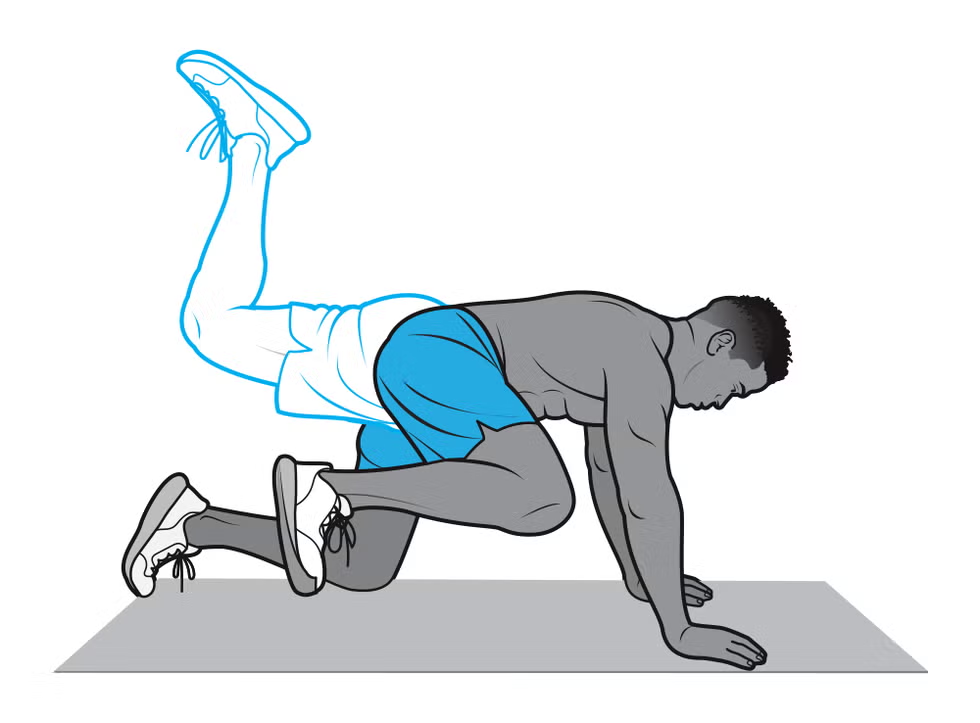
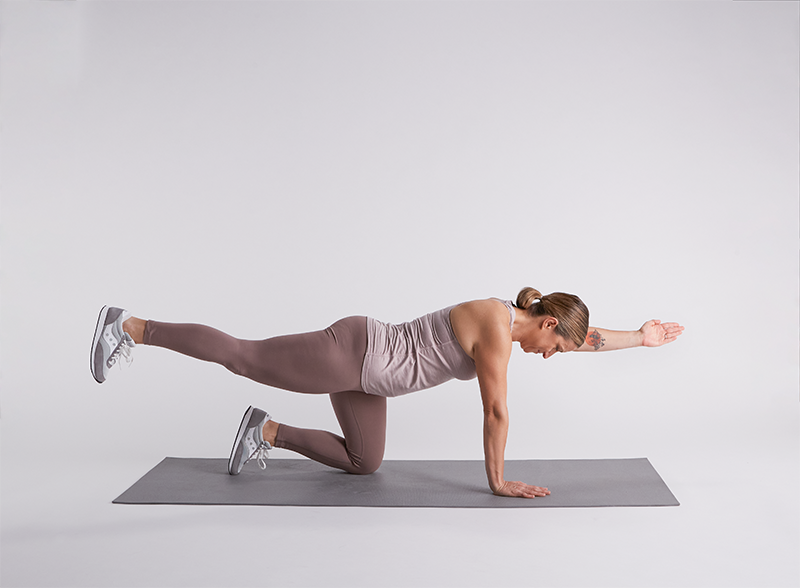
The bird dog pose is an excellent, low-impact exercise for back health and longevity because it strengthens the deep core (transverse abdominis), back muscles (multifidus), and glutes simultaneously without placing high loads on the spine. It improves, stability, balance, and posture while preventing disc injuries. 

Key Reasons for Back Health & Longevity:

  • Deep Core & Spinal Support: The exercise targets the transversus abdominis and multifidus muscles, which are crucial for supporting the spine and reducing low back pain.
  • Low-Impact Stability: It is considered safe for back rehabilitation and daily maintenance, offering a “safe” way to build core strength without the high compression of crunches.
  • Anti-Rotation Strength: The movement teaches your body to stabilize the torso while moving limbs (e.g., opposite arm/leg), reducing the risk of injury during daily activities.
  • Improved Mobility: It promotes better postural control and functional movement efficiency, which is essential for maintaining mobility as we age.
  • Counteracts Sedentary Damage: It directly engages the muscles often weakened by prolonged sitting, protecting against chronic back pain. 

Tips for Perfecting Bird Dog Pose

  • Neutral Spine: Keep your back straight, aiming to balance a cup of water on your back without spilling it.
  • Reach for Length, Not Height: Avoid lifting your leg too high, which arches the lower back. Focus on pushing your heel straight back and stretching your arm forward to build tension.
  • Engage the Core: Draw your belly button toward your spine to stabilize your torso before lifting limbs.
  • Flex the Foot: Flex your ankle and point your toes toward the floor to maximize glute engagement and stability.
  • Slow Movement: Perform the movement slowly to ensure control and proper muscular activation.
  • Keep Necks Long: Look straight down at the mat to keep your neck in line with your spine.
  • Utilize Props: If you have trouble with balance, try this in front of a mirror to monitor your form, or place a yoga block on your back for feedback. 

Common Mistakes to Avoid

  • Rotating the Hips: Avoid tilting your pelvis or letting your hips shift to one side.
  • Overextending the Lower Back: Lifting the leg too high often causes a painful arch in the low back.
  • Rushing the Move: Moving too fast reduces core engagement and balance.

Beyond the Buzz: Why Quitting Alcohol Adds Years to Your Life

alcohol bottles


Abstaining from alcohol is recommended for optimal health, wellness, and longevity because even low or moderate consumption is linked to a higher risk of various diseases and premature death. The idea that moderate drinking is beneficial for health is considered outdated by many health experts. Key reasons to avoid alcohol include:

Increased Cancer Risk 

Alcohol is classified as a known human carcinogen by the U.S. Department of Health and Human Services. The risk of developing cancer increases with any amount of alcohol consumed. 

  • Multiple Cancer Types: Alcohol consumption is strongly linked to an increased risk of cancers of the mouth, throat (pharynx and larynx), esophagus, liver, colon, rectum, and female breast.
  • Risk at Low Levels: The risk for some cancers, especially breast cancer in women, increases even with less than one drink per day compared to not drinking at all.
  • Toxic Metabolism: The body metabolizes alcohol into acetaldehyde, a toxic compound that damages DNA and other cellular components, which contributes to cancer development. 

Organ Damage 

  • Liver Disease: Alcohol misuse is a primary cause of liver problems, including fatty liver disease (steatosis), alcoholic hepatitis, and irreversible cirrhosis (scarring of the liver tissue).
  • Pancreatitis: Alcohol use can lead to dangerous inflammation of the pancreas, which can be acute or chronic and is a risk factor for pancreatic cancer.
  • Digestive Problems: Alcohol irritates the lining of the gastrointestinal tract, leading to inflammation (gastritis), ulcers, and bleeding. 

Cardiovascular Issues

  • High Blood Pressure and Stroke: Alcohol consumption is associated with elevated blood pressure, which is a major risk factor for heart attacks and strokes.
  • Heart Muscle Damage: Long-term heavy drinking can weaken the heart muscle, leading to a condition called cardiomyopathy and an irregular heartbeat (arrhythmia). 

Negative Impact on the Brain and Mental Health 

  • Cognitive Decline: Alcohol misuse is linked to faster cognitive decline, memory loss, and a higher risk of dementia.
  • Worsened Mental Health: While it may provide short-term relief, alcohol use can worsen pre-existing anxiety and depression, especially in individuals using it to cope emotionally.
  • Sleep Disruption: Alcohol can help you fall asleep faster but severely disrupts sleep quality, especially the REM and deep sleep cycles, leading to next-day fatigue. 

Reduced Longevity and Overall Wellness 

  • Weakened Immune System: Alcohol can suppress the immune system, making the body more vulnerable to infections like pneumonia.
  • Weight Gain: Alcoholic beverages contain significant calories and sugar, and alcohol can slow metabolism, contributing to weight gain.
  • Accidents and Injuries: Impaired judgment, coordination, and reaction times from alcohol consumption increase the risk of motor vehicle crashes, falls, and other injuries. 

Given the wide range of significant health risks, public health organizations like the World Health Organization suggest that no level of alcohol consumption is entirely safe for health. 

Can You Dig It? Gardening is Great for Your Health!

gardens

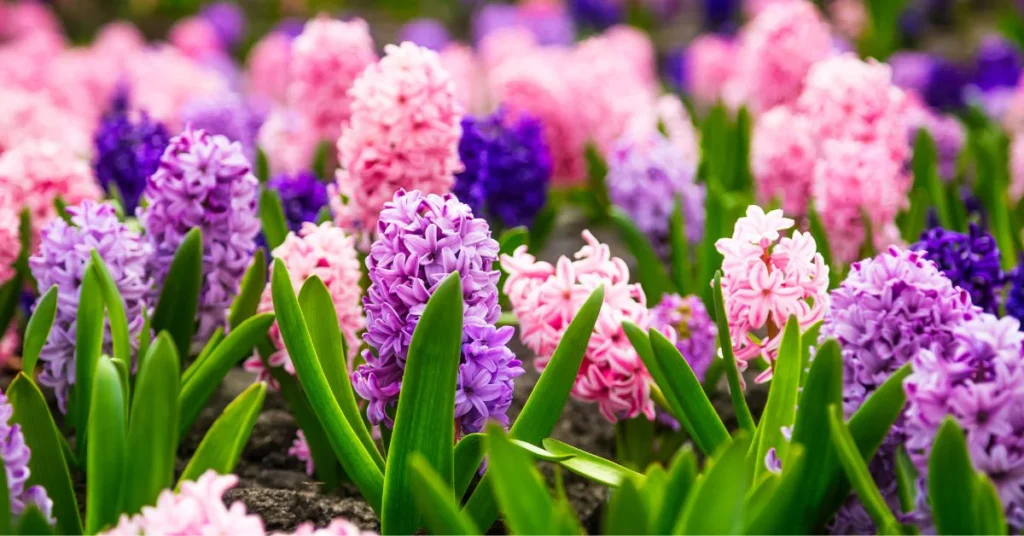
Flower and vegetable gardening significantly enhances longevity and health by integrating low-impact physical activity, stress-reducing nature connection, and cognitive stimulation. Evidence from Blue Zones, regions with the world’s highest concentrations of centenarians, identifies regular gardening as a common lifestyle factor that promotes “moving naturally” well into old age. 

Physical Health Benefits

  • Natural Exercise: Gardening involves functional movements like squatting, lifting, and stretching, which act as a full-body workout. This activity helps maintain muscle strength, flexibility, and balance, crucial for preventing falls and functional decline as you age.
  • Cardiovascular Health: Regular gardening can burn 200–400 calories per hour, similar to gym sessions, and is linked to lower rates of heart attack, stroke, and high blood pressure.
  • Immune Support: Exposure to beneficial soil bacteria, specifically Mycobacterium vaccae, has been shown to boost immune function and reduce inflammation.
  • Vitamin D Production: Spending time in the sun helps the body synthesize Vitamin D, which is essential for bone health and immune system regulation. 

Mental and Cognitive Benefits

  • Stress and Anxiety Reduction: Gardening lowers levels of cortisol, the body’s primary stress hormone. The sensory experience of smelling flowers and touching soil can provide immediate calming effects.
  • Dementia Prevention: Studies have found that daily gardening can lower the risk of dementia by up to 36%. It requires planning, problem-solving, and sensory awareness, all of which stimulate brain function.
  • Improved Mood: Interacting with nature increases the release of “happy chemicals” like serotonin and dopamine, helping to combat depression and improve overall life satisfaction. 

Psychosocial and Longevity Factors

  • Sense of Purpose: Nurturing plants from seed to bloom provides a tangible sense of accomplishment and a reason to “get up in the morning,” which can add several years to life expectancy.
  • Social Connection: Whether through community plots or sharing bouquets with neighbors, gardening fosters social bonds that protect against loneliness and cognitive decline.
  • Environmental Connection: Maintaining a flower garden supports local pollinators like bees and butterflies, providing a sense of stewardship and a deeper connection to the natural world.

Gardening promotes wellness and longevity by combining low-impact, full-body exercise (digging, lifting, weeding) with stress-reducing, therapeutic engagement with nature, which lowers cortisol and blood pressure. It boosts immune function through vitamin D exposure and improves diet with fresh produce. For longevity, it provides a sense of purpose (“ikigai”). 

Why Gardening Links to Wellness and Longevity

  • Physical Activity & Health: Gardening is a functional, full-body workout (cardio, strength, flexibility) that can burn 165–220 calories in 30 minutes, aiding in heart health, weight management, and reduced chronic disease risk.
  • Mental Well-being: It acts as a form of horticultural therapy that reduces stress, anxiety, and depression while fostering mindfulness. The sense of accomplishment and purpose improves mental health and cognitive function, particularly in older adults.
  • Nutritional Benefits: Growing your own vegetables encourages a healthier, nutrient-dense diet.
  • Social Connection: Spending time in nature improves mood, while community gardening strengthens social bonds.