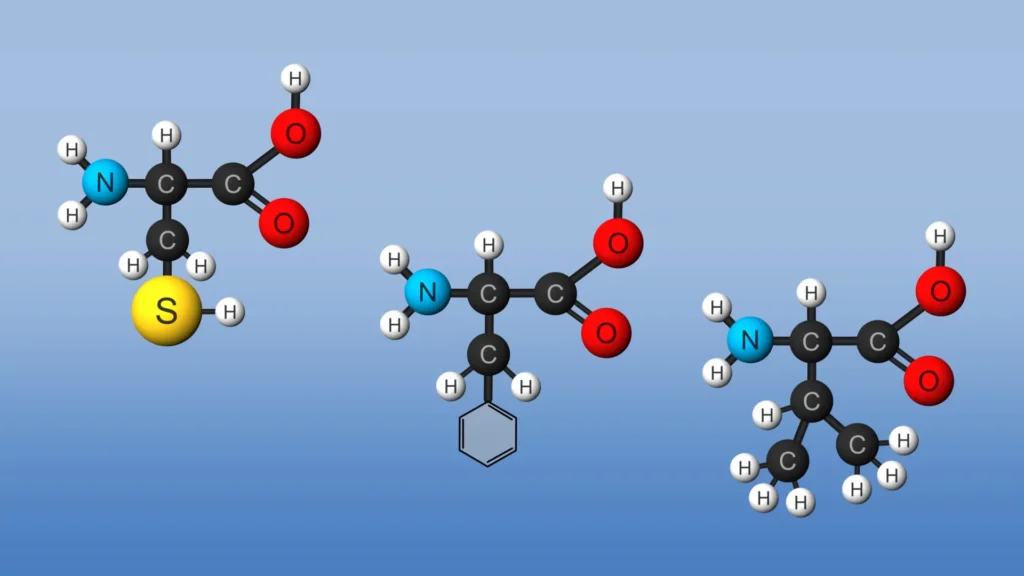
Amino acid supplements are not only unnecessary for extending longevity, but evidence suggests that over-supplementing certain amino acids can actually shorten lifespan. While individual amino acids are essential for maintaining muscle mass and metabolic health as we age, flooding the body with isolated supplemental doses can disrupt delicate biological signaling pathways. In fact, major longevity research from institutions like the National Institutes of Health (NIH) demonstrates that restricting specific amino acids, rather than supplementing them, is what successfully promotes healthy aging and extends lifespan in biological models.
The primary reasons why amino acid supplements are counterproductive or unnecessary for your longevity goals include:
The Downside of Amino Acid Overload
- mTOR Activation: Amino acids—especially Branched-Chain Amino Acids (BCAAs) like leucine, isoleucine, and valine—heavily stimulate the mechanistic target of rapamycin (mTOR) pathway. While mTOR activation is necessary for muscle growth, chronic overactivation by supplements blocks autophagy (the body’s cellular cleanup process) and accelerates the aging process.
- Lifespan Reduction: Massive global genomic and observational studies, such as data compiled from the UK Biobank, have linked genetically high blood levels of specific amino acids like tyrosine to a significantly shorter lifespan in men, shaving off up to a year of life expectancy.
- Metabolic Dysfunction: Long-term, excessive intake of supplemental BCAAs against a normal diet can cause an amino acid imbalance in the brain, leading to overeating, fat accumulation, and a higher risk of hypertriglyceridemia and insulin resistance.
The Longevity Benefits of Amino Acid Restriction
- Isoleucine Restriction: Instead of supplementing, cutting back on specific nutrients shows the most promise. Recent animal studies published in Nature Aging show that restricting the essential amino acid isoleucine by two-thirds increased lifespan by up to 33% and dramatically improved metabolic health.
- Methionine and Tryptophan Depletion: Restricting dietary methionine and tryptophan has been consistently shown to lower mitochondrial oxidative stress, decrease systemic inflammation, and mimic the anti-aging benefits of caloric restriction.
When Are They Actually Helpful?
Amino acid supplements should generally be reserved for targeted, functional health needs rather than broad “anti-aging” insurance:
- Sarcopenia Prevention: Older adults experiencing severe age-related muscle wasting (sarcopenia) may use essential amino acid (EAA) supplements to combat anabolic resistance and help synthesize new muscle tissue.
- Clinical Recovery: Non-essential amino acids can become “conditionally essential” during periods of severe metabolic stress, such as major surgeries, wound healing, or severe physical trauma.
For healthy individuals, getting a balanced profile of amino acids through whole food sources (like lean meats, fish, eggs, legumes, and nuts) provides the structural building blocks your body needs without overriding your natural longevity pathways.