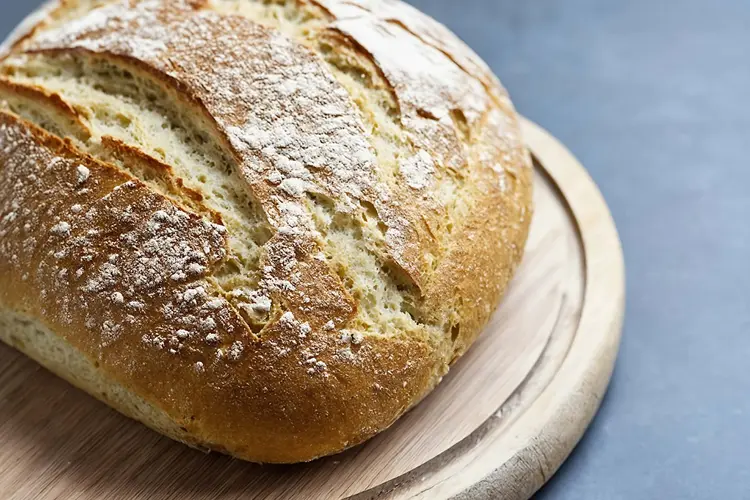
Sourdough bread is better for your gut and longevity because its traditional, long fermentation process “pre-digests” the flour, transforming it into a nutrient-rich, low-glycemic food. Unlike mass-produced bread that relies on fast-acting commercial yeast, authentic sourdough is leavened by a symbiotic culture of wild yeast and lactic acid bacteria (LAB).
The breakdown of how this unique biochemical transformation directly extends your healthspan and optimizes digestion highlights several key benefits.
Why Sourdough is Superior for Gut Health
- Prebiotic Powerhouse: While the baking process kills the live probiotic bacteria, it leaves behind an abundance of prebiotic fiber and polyphenols. These compounds act as premium fuel for your existing microbiome, promoting the growth of beneficial gut bacteria.
- Degradation of FODMAPs: The slow fermentation process breaks down complex carbohydrates known as FODMAPs (fermentable oligosaccharides, disaccharides, monosaccharides, and polyols). Because these sugars are heavily reduced before ingestion, sourdough significantly cuts down on the bloating, gas, and irritation common in people with Irritable Bowel Syndrome (IBS).
- Easier Gluten Breakdown: The lactic acid bacteria lower the dough’s pH, activating enzymes that partially depolymerize gluten proteins. While not safe for those with Celiac disease, it makes the bread much gentler on the stomach for individuals with mild gluten sensitivities.
How Sourdough Promotes Longevity
- Blood Sugar Control: Sourdough has a significantly lower glycemic index (GI) than standard white or whole-wheat breads. The organic acids produced during fermentation slow down stomach emptying and glucose absorption. This prevents the dramatic insulin spikes that, over time, lead to insulin resistance, type 2 diabetes, and accelerated aging.
- Deactivation of Antinutrients: Grains naturally contain phytic acid, an antinutrient that binds to essential minerals and blocks their absorption. Sourdough fermentation neutralizes phytic acid, unlocking high bioaccessibility to critical longevity minerals like iron, zinc, magnesium, and calcium.
- Antioxidant Production: The metabolic activity of wild microbes releases protective antioxidant peptides hidden within the grain proteins. These antioxidants neutralize free radicals, mitigating systemic inflammation and cellular damage—two primary drivers of chronic, age-related diseases.
To ensure you are getting the real thing, look for a short ingredient list on the package or check out reputable bakeries or traditional slow-fermented options from local artisans. Choosing a loaf made with 100% whole-grain, rye, or ancient grains (like spelt or einkorn) will further maximize the total fiber and antioxidant yield.