Don’t Just Live Longer, Live Stronger: How Deadlifts Fight the Effects of Aging

dl

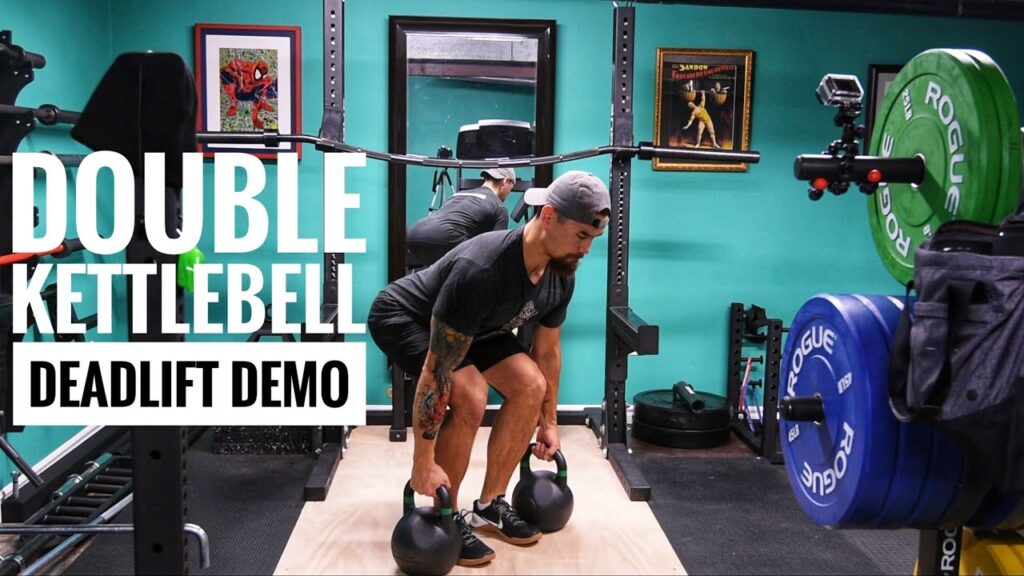
Deadlifting keeps you young by building significant muscle and bone density, boosting metabolism, and stimulating anabolic hormones like testosterone and HGH, counteracting age-related decline (sarcopenia), strengthening bones against fractures, and improving functional strength for daily life, making you more resilient and vital as you age. 

Deadlifts are great for health and longevity because they build functional strength for daily life, improve bone density, boost metabolism by building muscle, enhance posture, prevent injuries by strengthening the core and posterior chain (glutes, hamstrings, back), and stimulate key hormones like testosterone and growth hormone.

Health Benefits

  • Builds Functional Strength: Mimics lifting real-world objects, making daily tasks easier and safer.
  • Boosts Bone Density: As a weight-bearing exercise, it increases bone mineral density, combating age-related loss.
  • Improves Posture: Strengthens core and back muscles (erector spinae, lats) that support spinal alignment.
  • Prevents Injuries: Develops core stability and strengthens the entire posterior chain, reducing lower back and knee injury risk.
  • Increases Muscle Mass & Metabolism: Builds significant muscle, which burns more calories at rest, helping with weight management. 

Longevity Benefits

  • Maintains Mobility: Strong hips, glutes, and hamstrings are vital for movement freedom as you age.
  • Hormonal Boost: Stimulates testosterone and growth hormone, important for muscle, bone, and fat regulation.
  • Resilience: A strong, resilient body with a powerful core and back resists the decline often associated with aging.
  • Reduces Pain: Research shows it can alleviate chronic lower back pain, a common issue in older adults. 

In essence, deadlifts train your body to stay strong and functional, directly countering common age-related issues, making them a cornerstone for a long, healthy, and active life. 

The 60-Second Shoulder Fix: Why Scapular Slides Are the Ultimate Investment in Shoulder Longevity

wallslide

Wall or scapular slides are great for health and longevity because they boost shoulder mobility, fix poor posture by strengthening back muscles (traps, rhomboids), improve scapular stability for injury prevention, and enhance functional movement, making daily tasks easier and keeping you moving well as you age. They’re excellent for older adults needing to stay mobile and for anyone wanting better upper body control and less stiffness. 

Key Benefits for Health & Longevity:

  • Improves Posture: Strengthens upper back muscles (traps, rhomboids) and core, pulling shoulders back and down, counteracting hunching from sitting.
  • Increases Shoulder Mobility: Safely takes shoulders through a full range of motion, reducing stiffness and impingement risk, vital for reaching and lifting.
  • Enhances Scapular Stability: Activates serratus anterior and lower traps, crucial for keeping shoulder blades stable and positioned correctly during all arm movements.
  • Prevents Injuries: Proper shoulder mechanics and muscle engagement reduce the likelihood of common shoulder problems, allowing for continued activity.
  • Supports Functional Fitness: Makes everyday actions like lifting, reaching, and even climbing stairs feel easier, promoting independence and quality of life.
  • Convenient & Accessible: Requires only a wall, making it a perfect “movement snack” for home, office, or travel, fitting easily into any routine for continuous care. 

How It Helps Longevity:

By maintaining flexible shoulders, strong supporting back muscles, and good posture, wall slides directly combat common age-related stiffness and imbalances, helping you stay active, pain-free, and functional for longer.

Beyond the Chair: The Biomechanics of Why Floor Sitting Promotes a Longer Life

sitfloor

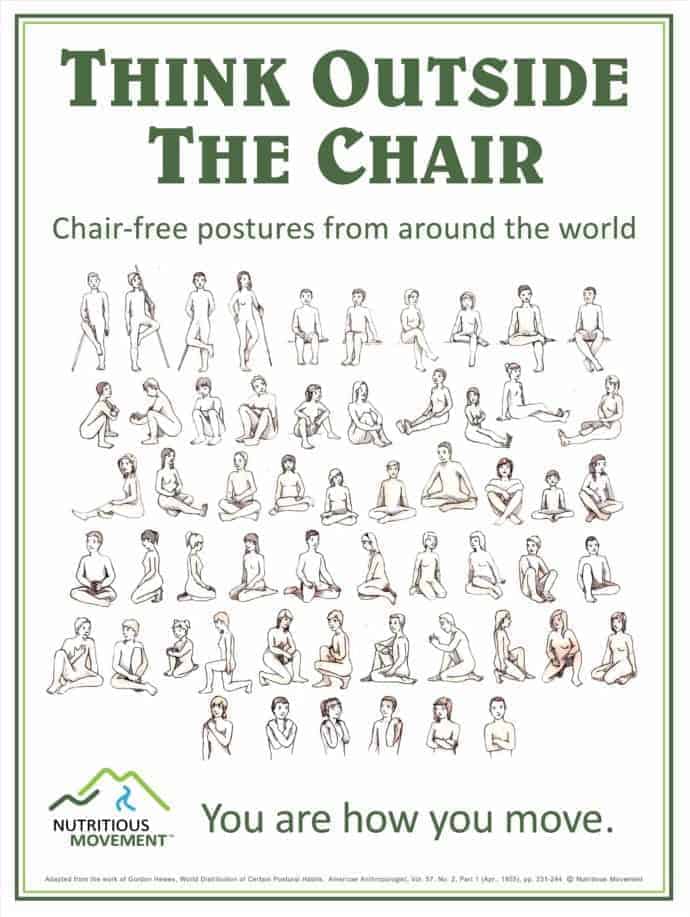
Do you still sit on the floor the way you did as a kid? Most people don’t but sitting on the floor (instead of always using chairs or couches) is good for health and longevity because it keeps your body moving, flexible, and strong in small but important ways. Here’s how it helps, explained simply:

Improves mobility and flexibility

Getting down to the floor and back up requires your hips, knees, ankles, and spine to move through a wider range of motion. Over time, this helps:

  • Maintain joint mobility
  • Reduce stiffness as you age
  • Support better posture

People who rarely sit on the floor often lose this mobility faster.

Builds functional strength

Standing up from the floor uses:

  • Leg muscles (quads, glutes)
  • Core muscles
  • Balance and coordination

This kind of strength is called functional strength—the kind you need for daily life. Maintaining it is linked to staying independent as you get older.

 Improves balance and coordination

Floor sitting naturally challenges balance, especially in positions like cross-legged or kneeling. Better balance lowers the risk of falls later in life, which is a major factor in healthy aging.

 Encourages frequent posture changes

When you sit on the floor, you tend to shift positions more often than when sitting in a chair. This:

  • Reduces prolonged pressure on the spine
  • Improves circulation
  • Prevents stiffness from staying in one position too long

 Linked to longevity markers

A well-known study found that the ability to sit down and stand up from the floor without using hands or support was strongly associated with lower risk of early mortality. This doesn’t mean floor sitting itself “adds years,” but it reflects overall strength, mobility, and health.

Supports a more active lifestyle

Cultures where floor sitting is common often:

  • Spend more time moving throughout the day
  • Have better hip and ankle mobility
  • Accumulate more low-level activity (which adds up over time)

A note of caution

Floor sitting isn’t ideal for everyone:

  • People with knee, hip, or back pain should be careful
  • Start with short periods and use cushions or back support
  • Alternate positions (cross-legged, kneeling, side-sitting)

🌱 Bottom line

Sitting on the floor is good for health not because it’s magical, but because it keeps your body mobile, strong, and adaptable—all key factors in healthy aging and longevity.

Protect Your Brain and Heart: Why Omega-3s Are Essential for a Long, Healthy Life

salmon

You’ve no doubt heard that all of us should be eating omega-3 fatty acids. Let’s take a quick look at why these are so important to out health.

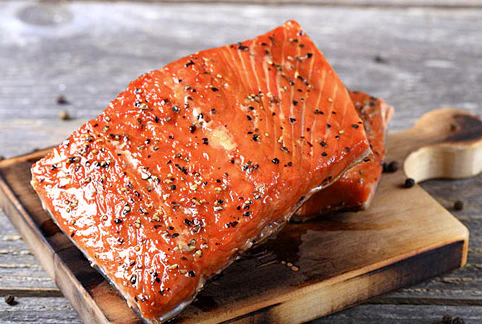
 The long-chain versions of omega-3 fatty acids (EPA and DHA) found in fatty fish, are critical for health because they integrate into cell membranes to enhance structural integrity and facilitate efficient cellular communication. They are widely recognized for promoting longevity by reducing chronic inflammation—a primary driver of age-related diseases—through the inhibition of pro-inflammatory cytokines and the production of specialized pro-resolving mediators (SPMs). Clinical research demonstrates that daily omega-3 intake can significantly slow the process of biological aging, with studies showing a reduction in epigenetic age by several months over a three-year period. Additionally, regular consumption is strongly linked to improved cardiovascular outcomes, such as lower triglycerides and blood pressure, as well as neuroprotective benefits that may reduce the risk of cognitive decline and dementia.

The healthiest and most effective food options for omega-3 fatty acids are categorized by the specific type they provide: EPA/DHA (found in marine sources) and ALA (found in plants). For optimal health, focus on marine sources, as they are the only practical way to directly obtain the most beneficial forms—EPA and DHA—which the body cannot produce efficiently on its own. 

Top Seafood Sources (Rich in EPA & DHA)

These provide the “active” forms of omega-3s essential for heart and brain health. Health professionals recommend the “SMASH” fish for high omega-3 content and low mercury levels. 

  • Mackerel: One of the most concentrated sources, providing roughly 4.1g to 4.6g per 3.5 oz serving.
  • Salmon (Wild or Farmed): A powerhouse with approximately 1.8g to 2.2g per serving.
  • Herring: Provides about 1.7g to 2.1g per serving; often sold smoked or pickled.
  • Sardines: Contain nearly 1.5g per serving and are also rich in calcium if eaten with bones.
  • Anchovies: Tiny but potent, offering about 2.1g per 3.5 oz serving.
  • Oysters: Provide roughly 0.4g to 0.7g per serving, along with high levels of zinc and B12. 

Top Plant-Based Sources (Rich in ALA)

Plants provide ALA, which the body must convert into EPA/DHA. Because this conversion rate is limited (often below 15%), higher quantities are needed. 

  • Flaxseeds (Ground): The richest whole food source of ALA, containing 2.35g per tablespoon. Use ground seeds for absorption.
  • Chia Seeds: Highly versatile, offering 5.0g of ALA per ounce.
  • Walnuts: The only tree nut with a significant amount of ALA, providing 2.57g per ounce (about 14 halves).
  • Algal Oil: A unique vegetarian option that provides direct DHA and EPA, making it a highly effective plant-based alternative.

Do You Know Your A1C Score?

a1c

Knowing your A1C score is vital because it reveals your average blood sugar over 2-3 months, helping diagnose prediabetes/diabetes, track treatment effectiveness, and, most importantly, prevent severe long-term health issues like heart disease, stroke, kidney failure, blindness, and nerve damage, boosting longevity by catching problems early and guiding lifestyle changes. A lower A1c means better sugar control and a significantly reduced risk of these debilitating complications, improving both quality of life and lifespan. 

Why A1C matters for health & longevity:

  • Early Detection: Identifies prediabetes (risk of diabetes) or diabetes before symptoms become severe, allowing for early intervention.
  • Risk Assessment: Higher scores signal elevated risk for cardiovascular disease, kidney damage (nephropathy), eye problems (retinopathy), nerve damage (neuropathy), and stroke.
  • Complication Prevention: Keeping A1C in a healthy range (below 7% for most with diabetes) dramatically lowers the risk of developing or worsening these serious complications, directly impacting your health span and lifespan.

What the numbers mean (General Guidelines):

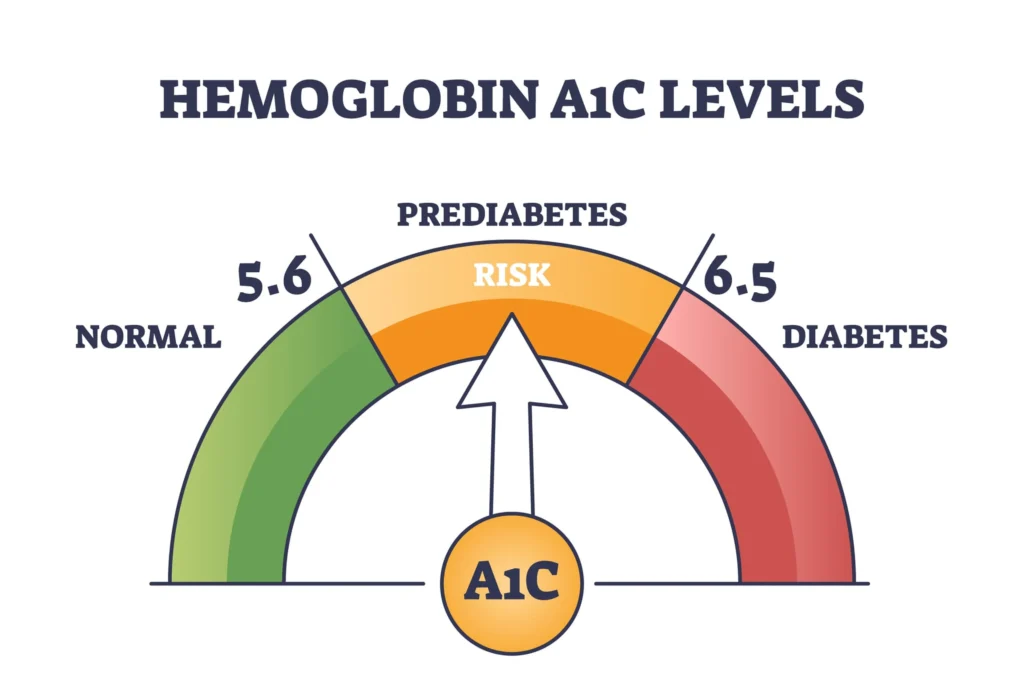
  • Normal: Below 5.7%
  • Prediabetes: 5.7% to 6.4% (high risk for Type 2 Diabetes)
  • Diabetes: 6.5% or higher 

To lower your A1C, consistently combine a balanced diet (whole grains, veggies, lean protein, less sugar/processed food) with regular physical activity (150 min/week of cardio/strength), prioritize stress management (meditation, hobbies), maintain a healthy weight, drink water, get enough sleep, and strictly follow your doctor’s prescribed medications, working with them to adjust your plan for better blood sugar control and improved insulin sensitivity. 

  • Diet: Focus on fiber-rich whole foods, lean proteins, fruits, and vegetables, while reducing sugar, processed items, and unhealthy fats, eating smaller, regular meals.
  • Exercise: Aim for 150 mins of moderate activity weekly (walking, swimming) plus strength training to improve how your body uses insulin.
  • Stress/Sleep: Manage stress with relaxation techniques and ensure sufficient sleep, as stress raises blood sugar.
  • Medication: Take all prescribed medications exactly as directed by your doctor.
  • Weight: Aim for gradual, realistic weight loss, as even a 5% loss helps significantly.
  • Hydration: Drink plenty of water instead of sugary drinks.