Try These Ideas To Eat More Fruit

fru

Fruit is considered a cornerstone of longevity because it provides a dense concentration of antioxidants, fiber, and essential micronutrients that collectively lower the risk of chronic age-related diseases. Large-scale studies suggest that consuming approximately two or more servings of fruit per day (alongside three of vegetables) is associated with a significantly lower risk of death from heart disease, respiratory issues, and cancer. 

Key Longevity Mechanisms

  • Oxidative Stress Reduction: Fruits are rich in antioxidants like vitamin C, vitamin E, and polyphenols. These compounds neutralize free radicals—unstable molecules that damage DNA and cellular tissue, which are primary drivers of aging and disease.
  • Chronic Disease Prevention: Regular fruit intake is linked to a reduced risk of the leading causes of death, including cardiovascular disease, type 2 diabetes, and certain cancers. For example, the World Health Organization notes that inadequate fruit and vegetable consumption was responsible for an estimated 3.9 million deaths globally in 2017.
  • Gut Health and Metabolism: The high fiber content in whole fruits supports a healthy gut microbiome and helps stabilize blood sugar. High-fiber diets are specifically linked to longer telomeres—the protective caps on DNA that are major markers of biological age.
  • Anti-Inflammatory Effects: Phytochemicals such as flavonoids (found in berries and citrus) have potent anti-inflammatory properties that protect heart and brain health as we age. 

Top Longevity-Supporting Fruits

Research frequently highlights these specific fruits for their unique anti-aging properties: 

  • Berries: Often cited as the top longevity fruit due to high levels of anthocyanins, which protect brain cells and may lower dementia risk.
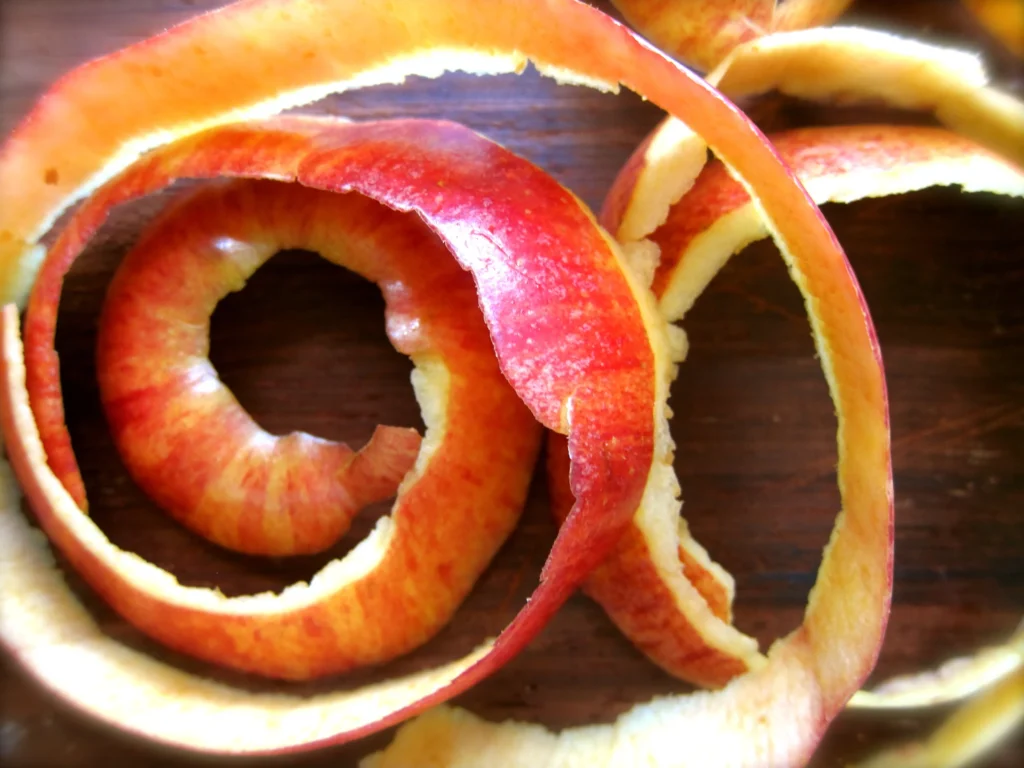
  • Apples: Contain soluble fiber (pectin) and quercetin, which support healthy cholesterol levels and cardiovascular function.
  • Citrus (Oranges/Grapefruit): Provide hesperidin and high vitamin C to support immunity and blood glucose regulation.
  • Kiwis: Extremely high in fiber and vitamin E; regular consumption is associated with slower biological aging.
  • Avocados: High in healthy monounsaturated fats and potassium, which improve lipid profiles and heart health. 

Note on Fruit Juice: While whole fruits promote longevity, fruit juice often lacks fiber and can cause blood sugar spikes; studies show it does not offer the same mortality-reduction benefits and may even be linked to higher mortality in some populations

Incorporating fruit into your diet can be done by layering it into meals you already eat, choosing whole fruits for snacks, and using them as natural sweeteners in desserts. Experts recommend filling half your plate with fruits and vegetables, aiming for about 2 cups of fruit daily. 

Breakfast Boosts

  • Topping Staples: Add sliced bananas, berries, or dried cranberries to whole-grain cereal, oatmeal, or plain yogurt.
  • Better Batters: Mix fresh or frozen blueberries, strawberries, or peaches into pancake, waffle, or muffin batter.
  • Fruit Smoothies: Blend fresh or frozen fruit with low-fat milk or yogurt. Adding a handful of spinach provides extra nutrients without changing the sweet flavor. 

Healthy Snacks & Desserts

  • Nature’s Candy: Satisfy sweet cravings by choosing whole fruits like apples or grapes over processed snacks.
  • Homemade Treats:
    • Frozen Delights: Freeze 100% fruit juice in popsicle molds or dip blueberries in yogurt and freeze them for bite-sized snacks.
    • Fruit Nachos: Drizzle warm peanut butter over apple slices and top with nuts and raisins for a nutritious snack.
    • Grilled Fruit: Grill peaches, pineapple, or bananas on low heat until slightly golden to bring out their natural sugars.

Smart Shopping & Prep

  • Accessibility: Keep a bowl of fresh fruit on your counter or at your desk so it is easy to grab when hunger strikes.
  • Frozen and Canned Options: Stock up on frozen fruit, which is often more economical and just as nutrient-dense as fresh. When buying canned fruit, choose varieties packed in water or 100% juice rather than heavy syrup.
  • Portion Management: Be mindful of portion sizes for dried fruits, as they are more concentrated in sugar and calories than fresh fruit. 

Sail Healthy: Longevity Tips for Your Next Cruise

cru

Taking a cruise offers a unique opportunity to focus on health and longevity by balancing activity, nutrition, and restorative rest. To maximize these benefits while avoiding common travel setbacks, consider these essential tips: 

🚢 Active Longevity Onboard

Instead of seeing the ship as a sedentary space, use its unique layout to boost your physical activity: 

  • Take the Stairs Everywhere: Avoiding elevators is one of the easiest ways to get a consistent cardio workout multiple times a day. It often proves faster than waiting for lifts on large vessels.
  • Walk the Decks: Many ships feature dedicated jogging or walking tracks. Start or end your day with a scenic stroll around the promenade to keep your heart rate up and enjoy the sea air.
  • Utilize Fitness Facilities: Take advantage of onboard gyms, which are often underutilized, or join group classes like yoga, Pilates, or low-impact stretch sessions.
  • Active Shore Excursions: When in port, prioritize walking tours, snorkeling, kayaking, or hiking over bus-based sightseeing to burn calories while exploring. 

🥗 Mindful Nutrition & Hydration

While buffets are convenient, they are also hotspots for overindulgence and germs: 

  • Prioritize Sit-Down Dining: Opting for the main dining room allows for better portion control and healthier menu modifications, such as asking for sauces on the side or swapping fries for a green salad.
  • Practice Buffet Caution: If you do use the buffet, fill half your plate with green vegetables and prioritize freshly prepared items. Avoid communal serving utensils whenever possible, or wash your hands immediately after using them and before eating.
  • Stay Aggressively Hydrated: Aim for at least 64 ounces of water daily. Alcohol and the sun can rapidly dehydrate you; a good rule of thumb is to drink one full glass of water for every alcoholic or caffeinated beverage.
  • Monitor Alcohol & Sugar: Unlimited drink packages can lead to excessive sugar and alcohol intake, which lowers immune response. Set personal daily limits and stick to lower-ABV options like spritzes. 

🧼 Immunity & Hygiene

Cruise ships are close-quarter environments where illness can spread quickly: 

  • Rigorous Handwashing: Soap and water for at least 20 seconds is your best defense. Note that alcohol-based hand sanitizers are ineffective against Norovirus.
  • Sanitize Your Space: Upon arrival, use disinfectant wipes on high-touch surfaces in your cabin, such as door handles, light switches, and remotes.
  • Protect Your Sleep: A well-rested body is essential for a strong immune system. Aim for 7–9 hours of sleep. If you’re a light sleeper, bring earplugs and a sleep mask to block out ship noise and light. 

☀️ Sun & Skin Protection 

  • Intense UV Rays: The sun is more intense on the water. Use broad-spectrum sunscreen (SPF 30+), wear a wide-brimmed hat, and seek shade during peak midday hours.
  • Protective Clothing: Consider lightweight, long-sleeved cover-ups or UPF-rated clothing to prevent burns that can leave you vulnerable to other illnesses. 

🩺 Pre-Cruise Planning

  • Consult Your Doctor: Discuss your itinerary and health concerns with your provider at least 4–6 weeks before sailing. Ensure you are up-to-date on routine and destination-specific vaccinations.
  • Travel Insurance: Verify if your health insurance covers international travel and consider a plan that includes emergency medical evacuation.

Rebounding: Jump, Jog, and Dance!

reb

Rebounding, or jumping on a mini-trampoline, offers great longevity and wellness benefits, featuring low-impact cardiovascular training that is up to 68% more efficient than running. It enhances immune function by stimulating lymphatic drainage, increases bone density to combat osteoporosis, improves balance and core strength, and supports detoxification. 

Key Longevity & Health Benefits:

  • Lymphatic System Activation: Unlike the circulatory system, the lymphatic system lacks a pump. The vertical acceleration and deceleration of rebounding stimulate lymphatic circulation, allowing the body to flush toxins, bacteria, and waste products.
  • Bone Density and Skeletal Health: Rebounding acts as a weight-bearing exercise that stimulates osteoblastic activity, strengthening bones and helping to prevent osteoporosis.
  • Low-Impact Joint Protection: It offers a high-impact cellular workout while being gentle on the joints, absorbing shock to protect the ankles, knees, and spine compared to running on hard surfaces.
  • Cellular Stamina and Energy: Rebounding increases mitochondrial production, boosting cellular energy and improving oxygen flow throughout the body.
  • Improved Balance and Motor Skills: Regular bouncing stimulates the vestibular system in the inner ear, improving balance and coordination, which is crucial for reducing fall risks in aging populations.
  • Metabolic and Cardiovascular Boost: The exercise boosts metabolism, supports weight management, and strengthens the heart, allowing it to beat less often at rest. 

Rebounding can also reduce the effects of aging by protecting against muscle atrophy, improving posture, and stimulating collagen for healthier skin. Give this exercise a try and we think you will be hooked!

Healthy Ideas for Your Next Beach Vacation

beach

To maximize longevity during a beach vacation, focus on balancing beneficial sun exposure with skin protection, maintaining low-grade movement, and fostering social and mental well-being. 

Strategic Sun Exposure

Sunlight supports vitamin D production and regulates circadian rhythms, but overexposure can accelerate aging. 

  • Morning Light Reset: Spend 10–30 minutes in direct morning sun (before 10 a.m.) without sunglasses to reset your internal clock.
  • Avoid Peak Hours: Seek shade between 10 a.m. and 4 p.m. when UV rays are strongest.
  • Broad-Spectrum Protection: Use an SPF 30+ sunscreen labeled “broad-spectrum” to block both UVA and UVB rays. Reapply every two hours or immediately after swimming.
  • Physical Barriers: Wear UV-protective clothing (UPF 30+), wide-brimmed hats, and wrap-around sunglasses to protect your eyes and delicate skin. 

Longevity-Focused Movement

Prioritize “low-grade” activity that keeps you moving without excessive stress on the body. 

  • Sand Walking: Walking on sand requires significantly more energy than flat surfaces, providing a more efficient calorie burn and improved balance.
  • Water Aerobics & Swimming: Swimming or aquatic therapy provides low-impact cardiovascular benefits that are gentle on joints.
  • Active Exploration: Opt for biking or walking to local sites instead of driving. Try a new skill like paddleboarding or kayaking to engage your brain and body. 

Nutritious Eating & Hydration

Longevity is supported by unprocessed, nutrient-dense foods and proper hydration. 

  • Eat Like a “Blue Zone”: Focus on simple, local, and plant-heavy meals. Aim for unprocessed foods at least 80% of the time.
  • Hydrate with Electrolytes: The combination of sun, salt water, and activity dehydrates you quickly. Carry a reusable water bottle and consider adding electrolyte-rich drinks like coconut water.
  • Color Your Plate: Choose vibrant fruits and vegetables like watermelon, berries, and greens, which provide essential antioxidants and hydration. 

Vacations are a rare opportunity to reduce chronic stress, a major factor in aging. 

  • Social Connection: Enjoy leisurely meals with family and friends. Strong social ties are a primary driver of longevity in “Blue Zones”.
  • Deep Rest: Prioritize sleep hygiene by keeping consistent bedtimes and avoiding screens an hour before bed.

To target longevity, your beach activities should focus on functional movementjoint health, and cognitive engagement. Shifting from standard gym workouts to environment-based activities can challenge your body in new ways.

Novel In-Water Activities

The buoyancy of water provides a “low-impact” environment perfect for longevity, while the natural resistance builds strength.

  • Sea Kayaking & Kneeboarding: These activities target upper body and core strength. Paddling through waves improves shoulder stability and upper body endurance, which are key for maintaining mobility as you age.
  • Aqua Aerobics & Water Walking: For those with joint sensitivities, walking or jogging in waist-deep water provides resistance that strengthens the heart and tones muscles without the impact of hard surfaces.
  • Snorkeling: This is a gentle way to stay active while engaging the brain through the observation of marine life. It combines low-intensity movement with “childlike wonder,” which supports mental well-being.

Unique Sand-Based Challenges

Sand is a natural “instability” tool that forces your smaller stabilizing muscles to fire, improving balance and foot strength.

  • Grounding Sports (Beach Volleyball or Tennis): These social sports combine HIIT-style movements with “grounding”—direct contact with the Earth’s surface—which some research suggests may positively impact inflammation and immune response.
  • Beach Crawls & Sand Sprints: Moving on all fours (bear crawls or crab walks) provides a full-body sensory experience and intense core engagement. Sprints in deep, loose sand significantly increase cardiovascular demand compared to flat ground.
  • Surfer Get-Ups: Even if you don’t surf, practicing the “pop-up” movement from a prone position to a low squat on the sand builds explosive power and functional mobility.

Mind-Body Integration

  • Outdoor Yoga or Tai Chi: Practicing on shifting sand adds an extra layer of difficulty to balance poses, further engaging your core. The rhythmic sound of the waves can also enhance the “flow” state, reducing the chronic stress that accelerates aging.
  • “Blue Gym” Exploration: Simply exploring the coastline through long, meditative walks or “beach exploration” has been shown to encourage longer periods of physical activity compared to “green” spaces (parks) because people tend to perceive time as more expansive by the water.

Hydration for Longevity: The Morning Water Advantage

drinkwater

Drinking water first thing in the morning rehydrates your body after sleep, jump-starts your metabolism, fuels your brain for better focus, aids digestion, and helps flush toxins, setting a positive health tone for the day and contributing to better overall hydration, which is linked to fewer chronic diseases and longer life. Staying hydrated supports healthy aging by keeping systems running smoothly, improving mental clarity, boosting energy, and supporting the immune system and skin health. 

Key Benefits for Health & Longevity

  • Rehydrates Your Body: You lose fluids overnight; water replenishes these essential fluids, preventing dehydration that causes fatigue and brain fog.
  • Boosts Brain Function: Your brain needs water to function optimally; morning hydration improves alertness, memory, and mood.
  • Kickstarts Metabolism: Water helps your body metabolize carbs and proteins, getting your metabolism going early.
  • Aids Digestion & Detox: It wakes up your digestive system, promotes regularity, and helps kidneys flush out waste products processed overnight.
  • Supports Longevity: Studies show good hydration is linked to fewer chronic conditions and slower biological aging, potentially extending lifespan.
  • Improves Energy & Mood: Rehydrating combats dehydration-induced tiredness and can improve your overall mood.
  • Strengthens Immunity: Proper hydration supports the lymphatic system, vital for fighting infections, and helps prevent colds.
  • Promotes Healthy Skin: Hydration prevents dryness, itchiness, and supports a healthy skin barrier, reducing signs of aging. 

How it Supports Longevity

Research from the National Institutes of Health (NIH) indicates that adults with optimal fluid levels show signs of slower biological aging and lower risks for premature death, suggesting consistent hydration is crucial for long-term health and disease prevention. Drinking water in the morning is a simple way to build this foundational habit.