The Longevity Bar: Why Single-Origin Dark Chocolate Outperforms Blends for Healthy Aging

79

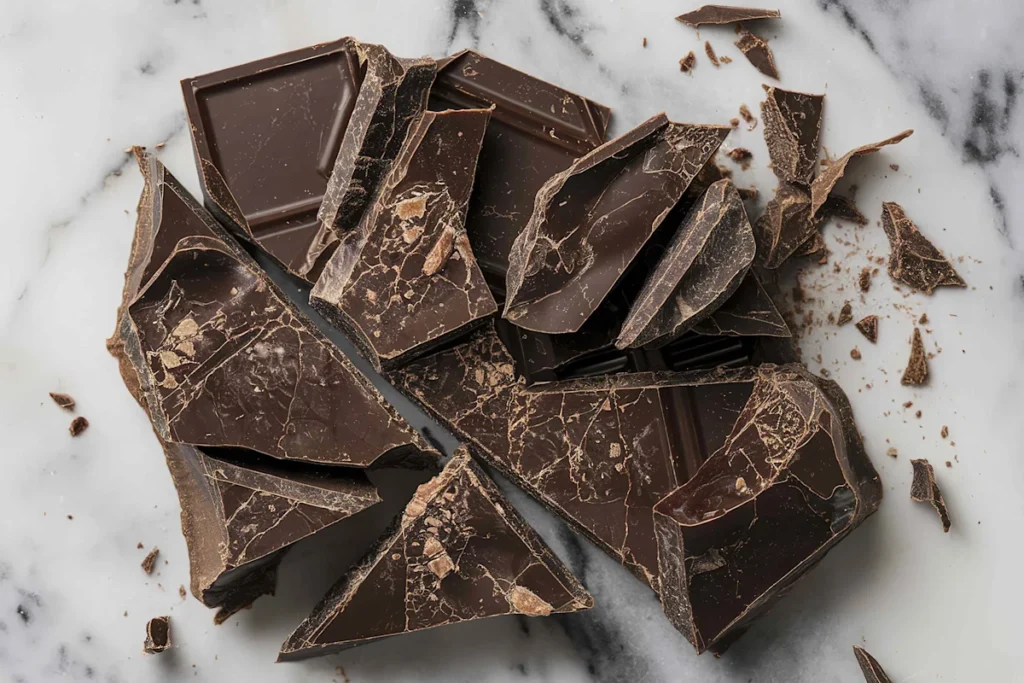
Single-origin (single-source) dark chocolate is considered superior and healthier than blended dark chocolate primarily because of its processing purity, ingredient transparency, and higher preservation of youth-preserving bioactive compounds. When evaluated through the lens of longevity—extending both lifespan and healthspan—single-origin chocolate offers significant advantages by protecting cardiovascular health, preserving cognitive function, and minimizing exposure to cellular toxins.

Why Single-Origin is Superior for Longevity

1. Uncompromised Antioxidant and Theobromine Density

Blended chocolates combine beans from various regions, which are heavily processed, alkalized (dutched), and roasted at high temperatures to standardize a uniform flavor. This intense processing destroys volatile flavanols and polyphenols. In contrast, single-origin chocolate is typically handled via artisanal “bean-to-bar” methods that optimize roasting profiles to respect the specific bean.

  • The Longevity Connection: Recent clinical research highlights theobromine—a plant compound abundant in minimally processed cocoa—as a key driver in slowing biological aging by suppressing cellular inflammation and shielding DNA from oxidative stress. The preserved flavanols also stimulate nitric oxide production, which keeps blood vessels flexible, manages blood pressure, and lowers the risk of cardiovascular mortality.

2. Strict Heavy Metal Control (Cadmium and Lead)

Cocoa plants naturally absorb heavy metals like cadmium from the soil, and beans can collect lead during outdoor drying stages. In a blended chocolate matrix, beans from high-cadmium regions (such as certain parts of Latin America) are often mixed with low-cadmium beans, making it impossible to know the exact toxic load of a specific bar.

  • The Longevity Connection: Heavy metals are systemic toxins that accumulate in the body over decades, accelerating kidney damage, cognitive decline, and cellular aging. Buying single-origin allows you to selectively consume bars from regions historically lower in heavy metals (such as West Africa) or purchase from transparent boutique brands that publish batch-tested heavy metal data.

3. Freedom from Additives and Ultra-Processed Ingredients

Because mass-market blended chocolates use lower-grade, mismatched beans, manufacturers rely on additives to mask bitter or inconsistent flavors. They frequently add high amounts of refined sugar, hydrogenated vegetable oils, soy lecithin, and artificial flavorings. Premium single-origin bars generally consist of just two or three clean ingredients: organic cocoa beans, cocoa butter, and a minimal amount of unrefined sugar.

  • The Longevity Connection: Eliminating hydrogenated fats and excess refined sugar prevents insulin spikes, protects the gut microbiome, and mitigates chronic low-grade inflammation—the root driver of age-related metabolic illnesses like Type 2 diabetes and dementia.

How to Select a Longevity-Focused Dark Chocolate Bar

To maximize the life-extending benefits of your daily chocolate ritual, prioritize the following criteria:

  • Target 70% to 85% Cocoa: This sweet spot balances high antioxidant and fiber density while keeping sugar content low enough to avoid damaging glucose spikes.
  • Verify the Ingredients: The wrapper should list only cocoa/cacao beans, cocoa butter, and sugar. Avoid bars listing “vanillin” (artificial vanilla), “PGPR” (a cheap emulsifier), or “alkalized/dutched cocoa.”
  • Identify the Specific Origin: Look for a specific country or region labeled on the front (e.g., Madagascar, Ecuador, or Costa Rica) rather than a generic regional blend.
  • Keep Portions Moderate: Treat chocolate as a longevity supplement. Stick to a clean daily serving of 10 to 30 grams to enjoy the cellular benefits without excess caloric intake.


How to Protect Your Kidneys from Age-Related Decline

78

From a longevity perspective, keeping your kidneys healthy requires minimizing systemic inflammation, protecting delicate microvasculature, and avoiding cumulative cellular stress. Because the kidneys filter approximately 150 quarts of blood daily, their decline is closely tied to accelerated aging and cardiovascular disease.

1. Optimize Your Metabolic Health to Prevent “Sugar Sludge”

  • Persistent elevated blood glucose damages the delicate filtering units (nephrons) over time.
  • Keeping your HbA1c and fasting insulin low prevents the glycation of microvessels in the kidneys.
  • Implement a sequence of wearing a continuous glucose monitor (CGM) to identify hidden glucose spikes.
  • Cut down on ultra-processed foods and hidden refined sugars to protect renal blood flow.

2. Severely Restrict Over-the-Counter NSAIDs

  • Nonsteroidal anti-inflammatory drugs like ibuprofen and naproxen constrict blood flow to the kidneys.
  • Regular, cumulative use causes chronic interstitial nephritis and accelerates renal aging.
  • Shift pain management to non-nephrotoxic alternatives like acetaminophen when appropriate.
  • Utilize physical therapy, targeted stretching, or cold therapy to manage inflammation at the root.

3. Transition Toward Plant-Dominant, High-Quality Protein

  • Diets excessively heavy in animal protein cause renal hyperfiltration, forcing kidneys to overwork.
  • Plant-based proteins generate fewer acid byproducts, reducing the long-term workload on kidneys.
  • Prioritize clean protein sources like legumes, lentils, seeds, and wild-caught fish over processed meats.
  • Monitor your blood urea nitrogen (BUN) levels via routine blood tests to track protein byproduct clearance.

4. Maintain Vascular Elasticity Through Zone 2 Exercise

  • Heart-pumping aerobic exercise keeps the blood vessels inside your kidney filters flexible.
  • This consistent, low-intensity movement prevents age-related nephrosclerosis (hardening of the kidney arteries).
  • Aim for 150 minutes per week of steady-state exercise where you can talk but not sing.
  • Incorporate resistance training to maintain lean muscle mass, optimizing overall metabolic clearance.

5. Prevent Mild Metabolic Acidosis via Dietary Alkali

  • As kidneys age, they naturally become less efficient at excreting systemic acids generated by the diet.
  • Mild, chronic acidosis acts as a slow poison that degrades bone, muscle mass, and kidney function.
  • Boost your daily intake of alkalizing foods like dark leafy greens, citrus fruits, and root vegetables.
  • Track your serum bicarbonate levels on standard metabolic panels, aiming for a healthy 22 to 26 mEq/L.

What Are Proprioception Exercises?

77

Improving your proprioception—your body’s ability to sense its own position, effort, and movement in space—acts as a powerful insurance policy for your future health, directly extending your functional lifespan.

Think of proprioception training as uploading a software update to your body’s internal GPS. Investing just five minutes today ensures your joints stay protected, your reflexes stay sharp, and your independence remains locked in for decades to come. You are not just practicing balance; you are building an agile, fall-proof body that allows you to move with total confidence at any age.

Critical Longevity Benefits of Proprioceptive Training

  • Fatal injury prevention: Drastically reduces severe falls, which are a primary cause of accidental death and institutionalization in older adults.
  • Joint preservation: Optimizes movement mechanics to prevent uneven cartilage wear, delaying or preventing degenerative arthritis.
  • Reflex speed maintenance: Preserves the fast-twitch muscle fibers needed to instantly catch yourself during an unexpected trip or slip.
  • Postural decline reversal: Counters the age-related “slouch” by keeping your nervous system accurately aware of your spine’s alignment.
  • Energy conservation: Enhances movement efficiency, allowing you to walk, climb, and move with less muscular effort and fatigue.
  • Brain mapping integrity: Keeps the parietal lobe of the brain active, slowing down the age-related thinning of cortical regions.
  • Autonomy preservation: Delays the reliance on walking aids, keeping you independent and capable of daily living activities for decades longer.

The Sleep Paradox: Why More Than 8 Hours Might Shorten Your Lifespan

76

An optimal sleep duration is one of the most critical, yet frequently misunderstood, pillars of human longevity. While modern wellness culture heavily emphasizes the dangers of sleep deprivation, scientific data reveals that a “more is better” approach to sleep does not extend lifespan. In fact, large-scale epidemiological studies show a strict U-shaped curve linking sleep to mortality: sleeping both too little (under seven hours) and too much (over eight hours) significantly reduces life expectancy.

When it comes to healthy aging and brain preservation, excessive sleep is often a hidden indicator of systemic decline. Rather than acting as a direct cause of death, sleeping nine or more hours a night serves as a biological marker for underlying cellular damage, cardiovascular strain, and early neurodegeneration

Sleeping more than seven or eight hours a night is primarily associated with a higher risk of Alzheimer’s disease because excessive sleep is an early warning sign of underlying neurodegeneration, rather than the direct cause of the disease. Researchers view prolonged sleep as a “prodrome”—a symptom that manifests silently years before noticeable memory loss occurs.

The scientific community, including organizations like the Alzheimer’s Association, points to several key reasons for this correlation:

1. Early Brain Atrophy

As Alzheimer’s disease begins to develop, the toxic buildup of amyloid-beta and tau proteins starts damaging the brain up to 20 years before a clinical diagnosis. This initial damage often targets the specific brain regions and pathways responsible for regulating our circadian rhythms and sleep-wake cycles. As these cells deteriorate, individuals feel chronically fatigued and require significantly more sleep.

2. Compensatory Response to Neuroinflammation

Newer medical hypotheses suggest that excessively long sleep may be a defense mechanism triggered by the brain. When the brain experiences early neuroinflammation caused by Alzheimer’s pathology, it may attempt to force longer periods of sleep to cope with the stress, repair synapses, and clear toxic metabolic waste.

3. Poor Sleep Quality

A high quantity of sleep does not equal high-quality sleep. Many people who spend nine or more hours in bed suffer from fragmented sleep, sleep apnea, or a lack of deep, slow-wave sleep. Because they are not spending enough time in the restorative stages of sleep, they remain exhausted and sleep longer to compensate. This lack of deep sleep is dangerous because the brain’s glymphatic “cleansing system” relies on deep sleep to wash away the plaques associated with Alzheimer’s.

4. Overlapping Health Comorbidities

According to clinical reviews published via JAMA Neurology, prolonged sleep is highly correlated with other conditions that independently damage brain health. These include:

  • Depression: Causes hypersomnia (oversleeping) and is a known risk factor for dementia.
  • Cardiovascular Disease: Poor vascular health restricts blood flow to the brain, causing fatigue and contributing to vascular dementia.
  • Low Physical Activity: A sedentary lifestyle is tied to both prolonged sleep and an elevated risk of cognitive decline.

AI and Longevity

73

AI is compressing centuries of aging research into years by revolutionizing drug discovery, biological age tracking, and cell reprogramming. Instead of taking decades, machine learning models can now screen billions of molecules in days to identify novel therapies for age-related diseases.

Major breakthroughs in longevity driven by AI include:

  • Massive Accelerations in Drug Discovery: Platforms like Insilico Medicine use AI to discover entirely new molecular compounds and drug targets, with drugs for conditions like idiopathic pulmonary fibrosis entering Phase 2 clinical trials. Algorithms can now design molecules from scratch or screen 8 billion virtual chemicals for anti-aging properties in record time.
  • Advanced “Deep Aging” Clocks: AI has enabled the creation of deep aging clocks (such as improved versions of the Horvath Clock). These machine learning tools analyze complex health and transcriptomic data to determine your true biological age, which is a much more accurate predictor of disease risk than chronological age.
  • Breakthroughs in Protein Folding: AI models are transforming our understanding of cellular biology by predicting the 3D structures of proteins and mapping how they interact with potential drugs. This allows researchers to rapidly design therapeutics that halt or reverse cellular damage.
  • Cellular Rejuvenation and Reprogramming: Startups like Altos Labs are using AI-driven technologies to understand how to eliminate age-related diseases, edit genes, and reverse the age of cells.
  • Agentic Scientists: Researchers are beginning to deploy AI scientist agentic systems (such as Cadence) which can ingest massive amounts of clinical data to independently suggest and test hypotheses in the lab.