Go Green: A Simple Guide to the Healthiest Leaves for Your Plate

greens

Could you add more greens to your diet? Most of us could and should. Here’s why!

The most nutritious salad greens for longevity are generally dark, leafy, and bitter, offering the highest density of vitamins, minerals, and antioxidants per calorie. Watercress, kale, and spinach top the charts in nutrient density, while popular staples like iceberg lettuce are considered least nutritious. 

Ranked Salad Greens by Nutritional Value

Rankings are based on Aggregate Nutrient Density Index (ANDI) and nutrient density studies from the CDC. 

  1. Watercress: Frequently ranked #1 (100/100 score), it is an “undisputed superstar” packed with Vitamin K, C, and A, and has powerful antioxidant properties.
  2. Spinach: A top-tier nutrient powerhouse rich in iron, folate, potassium, and antioxidants like lutein and zeaxanthin, which are crucial for eye health.
  3. Swiss Chard: Contains high levels of magnesium and Vitamin K, with earthy, beet-like leaves.
  4. Kale: A cruciferous veggie rich in antioxidants like beta-carotene and sight-saving compounds.
  5. Beet Greens: Highly nutritious but often discarded, they offer massive amounts of Vitamin K and A.
  6. Collard Greens: Similar to kale, these are excellent sources of Vitamin K and fiber.
  7. Arugula: Peppery and high in Vitamin K and nitrates, which may improve cardiovascular health.
  8. Romaine Lettuce: The most nutritious of the “traditional” lettuces, offering decent amounts of Vitamin A and K, and a step up from iceberg.
  9. Butterhead/Red Leaf Lettuce: Better than Iceberg, offering good color (phytonutrients) and nutrition.
  10. Iceberg Lettuce: Primarily water and low in nutrient density compared to others. 

Longevity Benefits of Salad Greens

Leafy greens are considered essential for longevity due to their ability to prevent age-related diseases: 

  • Brain Health: Daily consumption of greens is associated with slower cognitive decline; studies indicate participants eating daily greens had brain functions similar to being 11 years younger.
  • Chronic Disease Prevention: High antioxidant content (Vitamin C, carotenoids, and polyphenols) helps combat inflammation and fights free radicals, reducing the risk of cancer and heart disease.
  • Heart Health: High levels of dietary nitrates in greens like arugula and spinach help reduce blood pressure.
  • Bone Health: Excellent sources of Vitamin K, which is essential for blood clotting and building strong bones, crucial for preventing fractures in older age. 

Best Practices for Maximum Nutrition

  • Darker is Better: The darker the leaf, the more nutrient-dense it is.
  • Mix It Up: A mix of greens (e.g., spinach, romaine, arugula) provides a broader spectrum of nutrients.
  • Use Healthy Fats: Tossing salads with a little healthy oil (like olive oil) increases the body’s absorption of fat-soluble vitamins (A, K).
  • Eat Soon After Buying: Nutrient levels degrade over time in the fridge. 

Can Forgiveness Help You Live Longer?

forgiveness

Forgiveness is important for your health and longevity because it reduces stress, inflammation, and negative emotions like anger and resentment, leading to lower blood pressure, better heart health, stronger immunity, and reduced risk of anxiety and depression, ultimately promoting longer, healthier lives by breaking cycles of rumination and allowing for better emotional regulation and positive focus. It’s a gift to yourself that lowers the strain on your body and mind, improving overall well-being and potentially increasing lifespan, say researchers at Stanford and Johns Hopkins. 

Mental Health Benefits

  • Reduces Rumination: It breaks the cycle of replaying hurts, freeing up mental energy for positive things.
  • Lowers Anxiety & Depression: Studies show fewer episodes of depression and anxiety in forgiving individuals.
  • Boosts Well-being: Leads to higher life satisfaction, greater hope, and stronger social support. 

Physical Health Benefits

  • Lowers Stress Response: Activates the calming parasympathetic nervous system, reducing stress hormones like cortisol.
  • Improves Heart Health: Associated with lower blood pressure, heart rate, and reduced risk of heart disease.
  • Strengthens Immunity: Improves immune system function.

Longevity & Overall Life Quality 

  • Linked to Longer Life: Research suggests a statistically significant link between forgiveness and decreased risk of all-cause mortality.
  • It’s for You: Forgiveness isn’t excusing the wrong; it’s releasing yourself from the negative hold the past event has on you.
  • Physical & Mental Shift: It helps your body and mind move from a state of hyper-arousal (stress) to calm and balance. 

In essence, by letting go of grudges, you’re giving yourself a powerful tool to heal and live longer, healthier, and happier. What are you waiting for?

Which Fruit Juices Are the Healthiest and Why?

ju

The healthiest juices for blood sugar management and longevity are low-sugar, nutrient-dense options like tomato, celery, spinach, and beet juice, which prevent sharp glucose spikes. These juices offer high antioxidants (like lycopene) that reduce inflammation and support cardiovascular health, key factors in longevity. Pairing juice with food or drinking it earlier in the day helps minimize impact on insulin. 

Healthiest Juices for Blood Sugar and Longevity

  • Tomato Juice: A top choice because it is low in sugar and high in lycopene, which aids in managing blood sugar levels and reducing heart disease risk.
  • Green Juice (Spinach/Kale/Celery): Made from non-starchy vegetables, these have a low glycemic index and are high in polyphenols, promoting cellular health.
  • Beet Juice: Known for improving blood flow due to high nitrate content, which can enhance physical performance and reduce blood pressure.
  • Pomegranate Juice: Despite its sweetness, it has a lower glycemic index and contains potent antioxidants that can help reduce diabetes risk and support cardiovascular health.
  • Tart Cherry Juice: Often less sugary than other fruits, it has anti-inflammatory properties that contribute to long-term health. 

Longevity and Health Perspective

  • Glucose Stability: Avoiding spikes is critical to long-term health. Juices made from vegetables have a lower glycemic index, preventing insulin resistance which is linked to diabetes and accelerated aging.
  • Antioxidant Power: The nutrients in these juices fight oxidative stress, a major contributor to aging and age-related diseases.
  • Nutrient Concentration: These juices deliver high levels of vitamins C, potassium, and nitrates directly into the bloodstream. 

Key Considerations

  • Quantity: Even healthy, sugar-free vegetable juice should be consumed in moderation, generally 4–8 ounces, to manage overall carb intake.
  • Pairing: To further minimize sugar spikes, drink juice alongside meals that include healthy fats, fiber, or protein.
  • Whole Veggies vs. Juice: For maximal fiber and blood sugar management, eating the whole vegetable is superior to juicing it, as juicing removes fiber.
  • Sodium Levels: Choose low-sodium or unsweetened varieties to ensure heart health benefits, particularly with tomato or vegetable juices.

Least Healthy Juices

The least healthy juices are generally those with high added sugars, low fiber, and those labeled as “cocktails” or “punches” rather than 100% fruit juice.

These juices are often stripped of fiber and packed with as much sugar as soda, leading to rapid blood sugar spikes. 

  • Fruit Punch and Juice Cocktails: These typically contain very little real fruit juice, often listing high fructose corn syrup and water as the top ingredients. Examples include Welch’s Fruit Punch, Ocean Spray Cranberry Juice Cocktail, and Minute Maid Peach Punch.
  • Grape Juice: Frequently cited as one of the highest-sugar options, with some 12-ounce servings containing over 58 grams of sugar.
  • Apple Juice: Known for being high in sugar (fructose) and lacking the fiber found in whole apples, making it a poor nutritional choice compared to eating the fruit.
  • Bottled Green Juices/Smoothies: Often “fruit-forward,” using apple or banana purée to improve taste, which results in high sugar content and minimal fiber. Naked Juice (e.g., Blue Machine) is a common example.
  • Pre-sweetened Lemonade/Fruit Drinks: These are considered “sugar bombs” and offer little to no nutritional value. 

Ellipticals vs. Treadmills: Which is Better for Longevity Training?

elip

Both the treadmill and elliptical are excellent tools for cardiovascular health and longevity, but they offer distinct physiological advantages depending on your specific goals for Zone 2 (steady-state aerobic) and higher-intensity (Zone 5/VO2 max) training. 

For longevity and sustained Zone 2 cardio, the elliptical is superior due to its low-impact, joint-friendly nature, allowing longer sessions without injury risk. Conversely, treadmills are better for higher intensity (Zones 3–5) and building bone density, but they risk high-impact joint wear, which is detrimental to long-term mobility. 

Elliptical Advantages (Longevity Focus)

  • Low-Impact Longevity: The smooth motion protects knees, hips, and ankles, making it ideal for daily or long-duration Zone 2 training.
  • Total Body Engagement: Many models involve upper-body handlebars, increasing metabolic demand without overloading lower-body joints.
  • Increased Duration: Lower fatigue allows for longer, consistent sessions. 

Treadmill Advantages (Higher Cardio Intensity)

  • Bone Density: High-impact running promotes better bone strength than the elliptical.
  • Functional Training: Mimics natural movement (walking/running), which can enhance functional longevity.
  • Higher Output Intensity: Excellent for efficient, high-intensity intervals (Zones 4-5) that boost maximum cardiovascular power. 

Verdict
For longevity (daily sustainability, no joint damage), choose the elliptical. For improving VO2 max and bone strength, choose the treadmill, but prioritize joint health. 

Combining both machines is a powerful strategy for health and longevity because it creates a synergistic training effect that no single machine can provide alone. This approach, often called “cross-training,” allows you to maximize cardiovascular gains while minimizing the physical “wear and tear” that often limits long-term consistency. 

1. Structural Balance: Bone Density vs. Joint Preservation

For longevity, you need both strong bones and healthy joints. 

  • The Treadmill Benefit: Its high-impact nature stimulates bone turnover, which is critical for preventing osteoporosis as you age.
  • The Elliptical Benefit: Its zero-impact design allows you to accumulate high volumes of Zone 2 cardio—essential for heart health—without causing the repetitive joint inflammation that can lead to chronic injury.
  • The Synergy: Using the treadmill for shorter, high-impact sessions and the elliptical for longer, steady-state sessions gives you the “best of both worlds”. 

2. Metabolic Optimization and VO2 Max

Training for longevity requires balancing metabolic health (Zone 2) with peak cardiovascular capacity (VO2 Max). 

  • Precision Zone 2: The elliptical offers finer control over resistance and cadence, making it easier to lock into a precise Zone 2 heart rate for 45–60 minutes without the “heart rate drift” common in running.
  • Explosive VO2 Max: The treadmill is often superior for reaching the near-maximal intensities needed for Zone 5 (HIIT) training.
  • The Synergy: Alternating between them prevents your body from fully adapting to one movement pattern, which can increase fat oxidation by up to 27% compared to using just one modality. 

3. Comprehensive Muscle Recruitment

Using both machines ensures you aren’t leaving “gaps” in your functional strength. 

  • Treadmill Focus: Primarily engages the glutes, calves, and core stability.
  • Elliptical Focus: When using the handlebars, it becomes a full-body workout, engaging the chest, back, and shoulders while placing higher demand on the quadriceps.
  • The Synergy: This multi-directional and full-body engagement wards off muscle imbalances and keeps you more mentally engaged, which is the #1 predictor of long-term exercise adherence.

Do You Know Your Bone Density Score?

tscore

Prioritizing bone density is a critical component of healthspan because bone serves as the structural foundation that facilitates lifelong mobility and independence. Unlike many tissues, bone mass peaks in our 20s and begins a gradual decline thereafter; failing to monitor this “silent” metric can lead to osteoporosis, where bones become so fragile they fracture from minor slips or even a cough.

By treating bone density as a vital sign—much like blood pressure—you can implement the necessary resistance training and nutritional interventions early enough to ensure your skeletal system remains strong enough to support an active, high-quality life well into your later years.

For optimal bone health and longevity, a dual approach combining mechanical loading (stressing the bone) and nutritional support (providing building blocks) is most effective. Bone is living tissue that responds to the forces placed upon it by becoming denser and stronger. 

1. Training: The Mechanical Stimulus

To increase bone density, you must apply a load greater than what the bone usually experiences. This sends a biological signal to “osteoblasts” (bone-building cells) to create new tissue. 

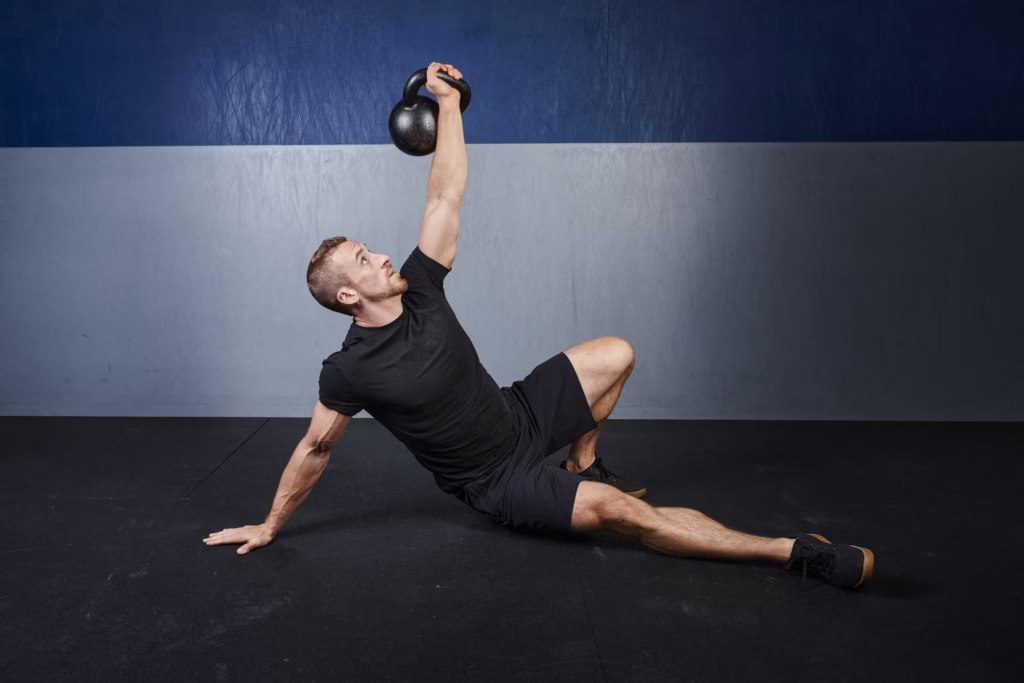
  • Resistance Training (Weight Lifting): This is the gold standard. When muscles contract, they tug on the bone, stimulating mineralization.
    • Focus: Use heavier weights with fewer repetitions (e.g., 5-10 reps) to provide higher stress.
    • Key Moves: Compound lifts like squatsdeadlifts, and overhead presses are highly effective because they load the spine and hips—the most common sites for fractures.
  • Weight-Bearing Aerobics: Activities where your feet and legs carry your own weight against gravity.
    • High-Impact: Running, jumping rope, and dancing provide the strongest stimulus. Even 20–30 jumps per day can noticeably improve hip density.
    • Low-Impact: If high-impact is unsafe, brisk walking, stair climbing, or hiking with a weighted vest (rucking) are excellent alternatives.
  • Balance & Flexibility: While they don’t build density directly, activities like Tai Chi or Yoga are critical for fall prevention, which is the primary cause of bone fractures in older age. 

2. Diet: The Structural Building Blocks

Nutrition provides the raw materials needed for the “scaffolding” and hardening of bone tissue. 

  • Calcium (The Hardener): Aim for 1,000–1,200 mg daily. It is best absorbed in smaller doses throughout the day (e.g., 500 mg per meal).
    • Sources: Dairy (yogurt, cheese), canned sardines/salmon (with bones), kale, and fortified plant milks.
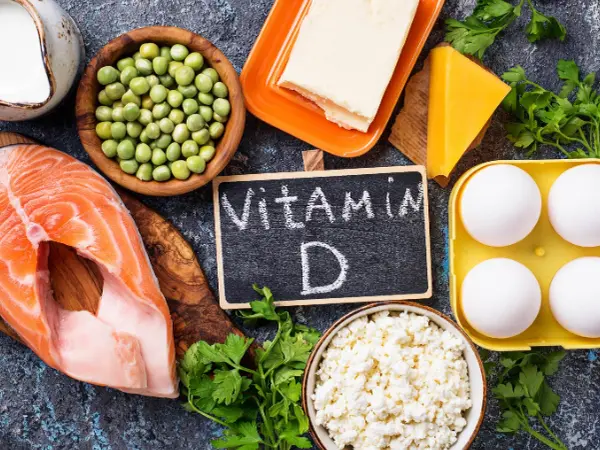
  • Vitamin D (The Absorber): Essential for calcium absorption. Most adults need 600–1,000 IU daily, often requiring supplementation or safe sun exposure.
  • Protein (The Scaffolding): About 50% of bone is protein. It forms the meshwork that calcium binds to. Aim for roughly 0.4g per pound of body weight.
  • Micronutrients (The Regulators):
    • Vitamin K2: Directs calcium into the bones rather than arteries. (Found in natto, sauerkraut, and cheese).
    • Magnesium & Zinc: Help activate Vitamin D and stimulate bone-building cells. (Found in nuts, seeds, and beans). 

3. Lifestyle & Preventative Habits

  • Avoid Excessive Alcohol & Smoking: Both directly interfere with bone-building hormones and increase fracture risk.
  • Maintain Stable Weight: Frequent “yo-yo dieting” or being significantly underweight can lead to rapid bone loss that is difficult to regain.
  • Medication Review: Some common drugs (like steroids or certain antidepressants) can thin bones over time. Discuss these with a doctor. 

The standard and most accurate way to find out your bone density is through a DEXA scan (Dual-energy X-ray Absorptiometry). It is a quick, painless, and non-invasive imaging test that uses a very low dose of radiation to measure the mineral content in your bones, typically focusing on the hip and lower spine.