Benefits of Practicing the Heel to Toe Walk

626

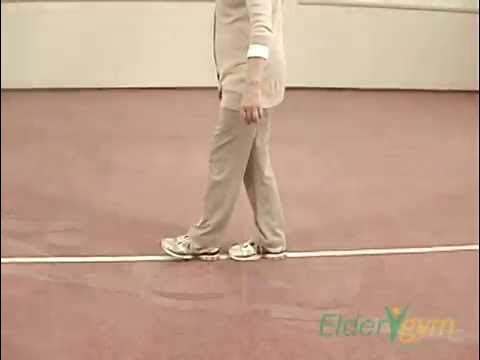
Practicing the heel-to-toe walk is one of the simplest yet most effective ways to future-proof your body against the physical declines of aging. By narrowing your base of support, this exercise challenges your nervous system, forces your brain and muscles to communicate rapidly, and strengthens vital stabilizing joints. Ultimately, mastering this movement builds a resilient foundation for functional fitness, drastically reduces your risk of life-altering falls, and directly supports a longer, more independent life.

Neurological & Brain Benefits

  • Boosts Neuroplasticity: Forces the brain to create new neural pathways to maintain balance.
  • Sharpens Proprioception: Heightens your body’s awareness of its position in space.
  • Exercises the Cerebellum: Directly stimulates the brain region responsible for motor control and coordination.

Fall Prevention & Longevity

  • Reduces Fall Risk: Strengthens dynamic balance, the primary defense against age-related falls.
  • Protects Longevity: Lowers the risk of hip fractures, which are statistically linked to high mortality rates in older adults.
  • Builds Ankle Stability: Reinforces the ligaments and tendons surrounding the ankle joint.

Physical Fitness & Mechanics

  • Activates Core Muscles: Engages the deep abdominals and obliques to keep the torso upright.
  • Strengthens Feet and Calves: Targets intrinsic foot muscles often neglected in standard walking.
  • Improves Posture: Realigns the spine by demanding a stacked, vertical posture during execution.

Functional Longevity Indicators

  • Gait Speed Marker: Directly improves walking mechanics, and a faster gait speed is a proven biomarker for a longer lifespan.
  • Cognitive Reserve Assessment: Acts as a dual-task exercise that preserves cognitive function as you age.


Enjoy Cranberries Year Round

Cranberries 1


To stock up on frozen cranberries for year-round use, buy fresh ones in season (fall/winter), sort and wash them, spread them on a baking sheet to pre-freeze, then transfer to airtight bags or containers, removing air to prevent freezer burn; they’ll last up to a year in the freezer and can be used directly in recipes without thawing. 

Cranberries boost health and potential longevity by delivering powerful antioxidants (like flavonoids & quercetin) that fight inflammation, support heart health (improving cholesterol & blood vessel function), enhance oral hygiene by preventing bacterial adhesion, and potentially protect against certain cancers and UTIs. Rich in Vitamin C, K, fiber, and unique A-type Proanthocyanidins (PACs), they support immunity, gut health, and reduce chronic disease risk, but choose whole or unsweetened forms to avoid added sugar, say. 
Fresh, raw cranberries can add a pleasant bite and burst of color to any dish. You can eat them whole like blueberries, toss them into a salad, add them to oatmeal, or blend them into a smoothie.

Health & Nutrition Benefits

  • Antioxidant Powerhouse: Packed with flavonoids, Vitamin C, and E, they combat free radicals, reducing inflammation and chronic disease risk.
  • Urinary Tract Health: PACs prevent bacteria (like E. coli) from sticking to bladder walls, potentially preventing UTIs.
  • Heart Health: May improve good (HDL) cholesterol, lower bad (LDL) cholesterol, and enhance blood vessel function (endothelial function).
  • Oral Health: PACs also stop oral bacteria from forming plaque and gum disease.
  • Stomach & Gut: May help prevent H. pylori bacteria linked to ulcers and cancer; also supports gut microbiota.
  • Nutrient-Rich: Good source of fiber, Vitamin C, K, Manganese, and B vitamins. 
  • Choose Wisely: Raw or unsweetened cranberries are best; dried versions and juices often have excessive added sugar, negating benefits.
  • Best Forms: Whole berries or unsweetened juice. 

Red Light Therapy: Is It Really Worth the Hype?

redlight

Red light therapy (RLT) offers several potential wellnessbenefits, such as enhanced skin health and reduced inflammation, and is generally considered safe for short-term use. However, the primary cons include a lack of robust scientific evidence for many claims, potential risks with misuse, and the significant financial investment required for consistent use. 

Pros of Red Light Therapy

  • Non-Invasive and Safe: RLT is a painless, non-invasive, and non-toxic treatment that doesn’t use harmful UV light, making it a safer option than tanning beds. When used as directed, side effects are minimal.
  • Skin Rejuvenation: Studies suggest RLT can stimulate collagen and elastin production, which helps reduce wrinkles, fine lines, and sun damage for a smoother, more even complexion.
  • Reduced Inflammation and Pain Relief: It can help lower inflammation throughout the body and has shown promise in managing chronic pain conditions like osteoarthritis and carpal tunnel syndrome, and speeding up muscle recovery.
  • Enhanced Healing: RLT has been found to accelerate wound healing and tissue repair by promoting new cell growth and improved blood circulation.
  • Improved Hair Growth: Evidence suggests RLT may be an effective treatment for male and female pattern hair loss by stimulating hair follicles.
  • Accessibility: Devices are available for use in clinics, spas, and at home, increasing accessibility for regular treatments. 

Cons of Red Light Therapy

  • Limited and Inconsistent Evidence: While promising, much of the research supporting RLT is still preliminary, and more high-quality, large-scale studies are needed to confirm its effectiveness for all claimed uses, particularly for longevity and some performance aspects.
  • Inconsistent Results: The lack of standardized guidelines for optimal dose, duration, and wavelength means results can vary widely depending on the device and individual.
  • Potential for Misuse and Side Effects: Improper use of high-intensity at-home devices (e.g., without protective eyewear or for too long a duration) can lead to temporary skin redness, irritation, blistering, or eye damage.
  • Cost and Commitment: Professional treatments can be expensive and require a long-term commitment (weekly sessions for months) to see results. While at-home devices are available, effective models can be a significant investment and may not be as powerful as clinical machines.
  • Unproven Claims: Some “wilder” claims, such as for weight loss or certain neurological disorders like dementia, currently lack scientifically validated results from large human trials and should be approached with caution. 

It is best to consult with a dermatologist or a qualified healthcare professional to determine if RLT is appropriate for specific health conditions or wellness goals. 

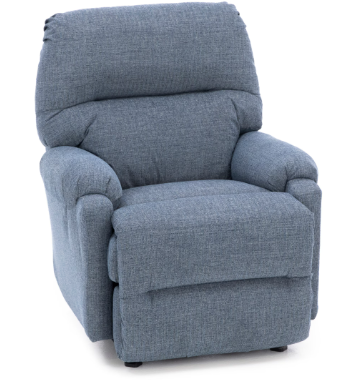
Is Sitting in a Recliner Making You Feel Older?

recliner

While recliners are often used for comfort and medical recovery, prolonged or improper use is increasingly linked to several long-term health risks. Let’s examine some of the possible negative side effects:

1. Cardiovascular Strain and Poor Circulation 

Sitting in a recliner for extended periods can negatively impact your heart and blood vessels: 

  • Reduced Circulation: Prolonged sitting with bent knees can restrict blood flow, particularly in the popliteal artery behind the knee. This may lead to Deep Vein Thrombosis (DVT)—blood clots that can be fatal if they travel to the lungs or heart.
  • Cardiac Overload: Transitioning to a reclined position can cause fluid from the lower extremities to redistribute toward the chest, which may overwhelm the heart and lead to cardiac strain, especially in those with pre-existing heart failure.
  • Increased Heart Risk: Recent 2025 research indicates that spending more than 10.6 hours a day in sedentary behavior—including reclining—is a threshold linked to higher risks of heart failure and cardiovascular mortality. 

2. Musculoskeletal and Postural Issues

Recliners often prioritize softness over structural support, leading to: 

  • Muscle Atrophy: Relying on a recliner’s mechanical assist to stand or sit can lead to decreased muscle tone and functional capacity over time.
  • Joint Stiffness and Contractures: Keeping knees and hips in a flexed (bent) position for long hours can lead to shortened hip flexors, permanent joint tightness (contractures), and a loss of balance that increases fall risks.
  • Spinal Misalignment: Many recliners lack adequate lumbar support, encouraging a “slouched” posture that strains spinal ligaments and discs, potentially causing long-term back pain or nerve impingement. 

3. Impaired Metabolism and Organ Function 

  • Metabolic Slowdown: In a reclined, inactive state, the body’s calorie-burning rate drops significantly, and enzymes that break down fats (lipids) can decrease by up to 90%, leading to weight gain and increased risk of type 2 diabetes.
  • Digestive Interference: The slumped posture common in recliners can compress internal organs, potentially slowing digestion and leading to issues like constipation or bowel irritability.
  • Respiratory Restriction: A hunched upper back in a recliner can block airflow to the lungs and cause blood congestion in the chest, reducing oxygen intake. 

To improve your physical health, aim to sit less and move more throughout the day, and when you do sit, try spending some of that time on the floor to engage your core and improve flexibility

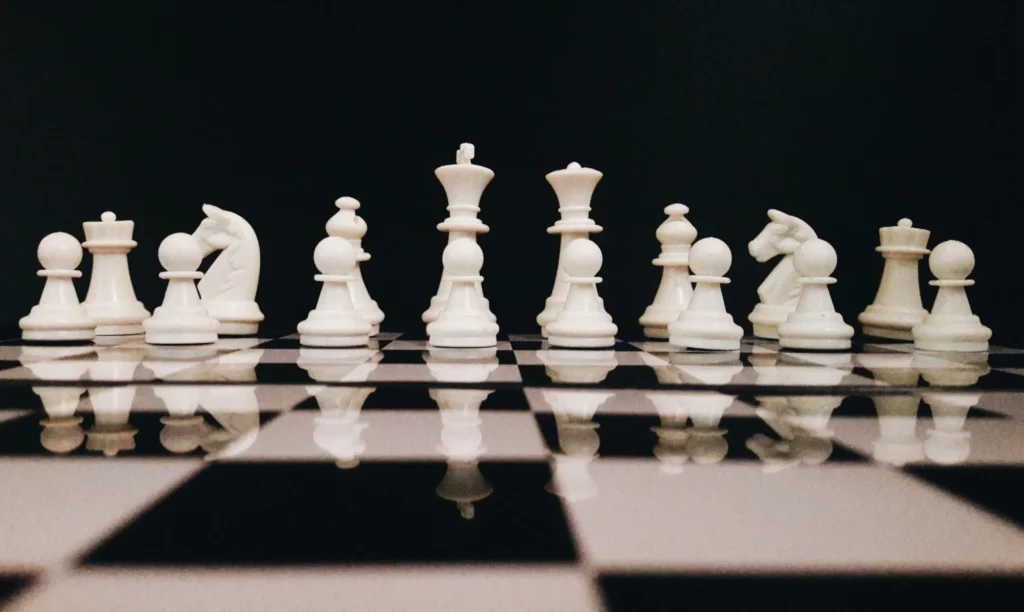
The Neurobiology of Game Night

621

Strategy-heavy modern board games, tile-placement games, and abstract deduction games are considered the best for boosting cognitive health and promoting longevity as a lifelong hobby. Research into cognitive reserve shows that complex mental stimulation—specifically activities involving spatial reasoning, working memory, and social interaction—helps build neural pathways that protect against age-related cognitive decline.

To maximize health benefits, a game should challenge multiple cognitive domains, scale in difficulty, and offer strong social engagement.

Best Board Games for Brain Health

  • Azkend or Tile-Placement Strategy: Carcassonne
    • Cognitive Focus: Visual-spatial processing, long-term planning, and rotation mechanics.
    • Longevity Appeal: It has dozens of expansions to keep the mental challenge fresh for decades.
  • Complex Economic Planning: Castles of Burgundy
    • Cognitive Focus: Executive function, multi-layered decision making, and fluid intelligence.
    • Longevity Appeal: Highly rated by enthusiasts for its deep tactical variety without stressful, aggressive conflict.
  • Cooperative Problem Solving: Pandemic
    • Cognitive Focus: Working memory, risk management, communication, and collaborative strategy.
    • Longevity Appeal: Cooperative games reduce isolation and foster deep social bonds, which are critical elements of emotional and mental longevity.
  • Abstract Spatial Logic: Azul
    • Cognitive Focus: Pattern recognition, drafting, and drafting adaptation.
    • Longevity Appeal: The tactile feel of the resin tiles provides sensory engagement, and the rules take minutes to learn but a lifetime to master.
  • Deduction and Memory: The Search for Planet X
    • Cognitive Focus: Pure logical deduction, note-taking, and critical thinking.
    • Longevity Appeal: Uses an app to randomize the puzzle every time, offering infinite replay options for solo players or groups.

Key Features of a “Longevity Hobby” Game

When choosing a game to keep your mind sharp as you age, prioritize these three elements:

  • Low Luck, High Agency: Games where your choices dictate the outcome force the brain to calculate variables and weigh consequences.
  • Scalable Complexity: Look for games with variable setups, modular boards, or expansions so your brain never enters “autopilot” mode.
  • Tactile and Social Interaction: Moving physical pieces while conversing with friends exercises both fine motor skills and social-emotional neural networks.