Why Swimming is the Ultimate Longevity Workout

621

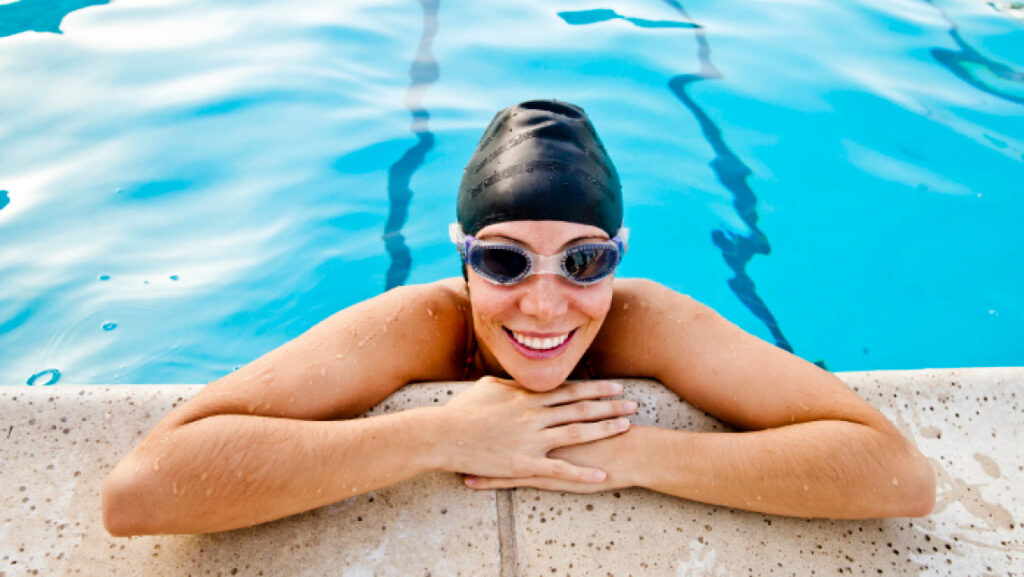
Swimming is widely considered the ultimate exercise for longevity because it delivers vigorous cardiovascular and musculoskeletal conditioning without imposing an “orthopedic debt”. A landmark study from the University of South Carolina tracked over 40,000 men for 32 years and discovered that regular swimmers had a 50% lower risk of dying from any cause compared to walkers and a 49% lower risk compared to runners.

Why Swimming Excels for Fitness and Longevity

  • Zero-Impact Conditioning: Water’s buoyancy supports up to 90% of your body weight. This allows you to train your cardiovascular system at a high intensity without the joint wear-and-tear that causes arthritis or injuries in running.
  • Full-Body Resistance: Water is roughly 800 times denser than air. Moving through it provides constant, uniform resistance that builds lean muscle mass across your upper body, core, and lower body simultaneously.
  • Enhanced Respiratory Capacity: Controlled, timed breathing patterns in the pool strengthen your intercostal muscles and diaphragm. This significantly improves lung volume and overall cardiorespiratory efficiency.
  • Neuroprotective Benefits: Swimming increases Brain-Derived Neurotrophic Factor (BDNF), which acts as a fertilizer for your brain. Research shows it promotes new brain cell growth, mitigates brain inflammation, and preserves cognitive flexibility as you age.
  • Vascular Elasticity: The consistent aerobic demand of swimming has been proven to reduce arterial stiffness and lower blood pressure, directly preventing chronic cardiovascular disease.

The Ultimate Swimming Routine for Longevity

To maximize healthspan, a routine must target three separate physiological zones: Aerobic Base (Zone 2) for cellular health, Threshold for metabolic efficiency, and VO₂ Max for heart-lung power. To achieve the optimal 180 weekly minutes of cardio recommended for longevity, aim for 3 to 4 pool sessions per week.

Longevity Tip: Add Weight-Bearing Work

Because water completely supports your weight, swimming does not stimulate bone density growth. To prevent osteoporosis and age-related muscle loss (sarcopenia), you must pair your swimming routine with 1 to 2 days a week of land-based resistance training (such as lifting weights, bodyweight squats, or brisk walking).

Cool Bedrooms Promote Better Heath and Sleep

620

Sleeping in a cool room is highly beneficial for your health and longevity because it aligns with your body’s natural circadian rhythms and optimizes deep, restorative sleep stages. Medical experts generally recommend keeping your bedroom between 60°F and 68°F (15.6°C to 20°C) for optimal health outcomes.

Longevity and Cellular Benefits

  • Activates Longevity Pathways: Evolutionary biology and genetic research, such as studies published in Nature Aging, show that lower ambient temperatures activate cellular cleansing mechanisms (proteasomes). This process actively breaks down harmful, misfolded protein aggregations responsible for age-related neurodegenerative diseases.
  • Reduces Metabolic Stress: Cooler sleep environments reduce oxidative stress and metabolic wear-and-tear on organs, allowing the body to focus more efficiently on cellular repair rather than heat dissipation.
  • Enhances Anti-Aging Hormones: A cooler room stimulates the production of melatonin. Beyond being a sleep hormone, melatonin is a powerful antioxidant that combats systemic inflammation and slows down age-related tissue decline.

Health and Metabolic Advantages

  • Boosts Metabolic Efficiency: Sleeping in a cool environment triggers the body to double its stores of brown fat (“good fat”). Brown fat burns calories to generate heat, which accelerates your resting metabolism.
  • Improves Insulin Sensitivity: Just one month of sleeping at cooler temperatures significantly improves glucose disposal and insulin sensitivity, lowering your long-term risk for type 2 diabetes.
  • Deepens Restorative Sleep: Lower ambient temperatures facilitate a faster drop in your core body temperature. This drop acts as a biological signal to initiate and prolong deep sleep and REM cycles, which are vital for immune function, tissue healing, and memory consolidation.
  • Suppresses Stress Hormones: Cooler environments prevent the nighttime spiking of cortisol (the stress hormone), reducing middle-of-the-night awakenings, tossing and turning, and morning fatigue.

Important Age Exceptions

While a cool room is ideal for most adults, specific age groups have different thermoregulation needs:

  • Infants: Require a warmer bedroom temperature between 68°F and 72°F (20°C to 22.2°C) because they cannot self-regulate body temperature, and loose blankets increase SIDS risks.
  • Older Adults: Benefit from a slightly warmer range of 68°F to 77°F (20°C to 25°C) due to a naturally slower metabolism and thinner skin layers.

Longevity Benefits of the Triangle Pose

619

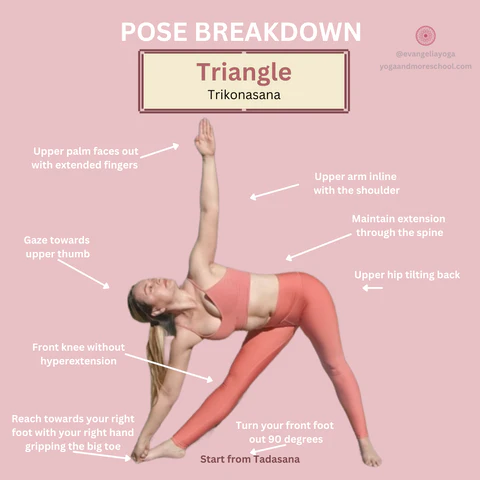
The Triangle Pose, known in Sanskrit as Trikonasana, promotes health and longevity by establishing structural stability, spinal mobility, and stress reduction. This foundational posture acts as a full-body reset, targeting both physical durability and mental equilibrium to counteract the degenerative processes of aging. Imagine stepping onto your mat and instantly rolling back the odometer on your physical body. The Triangle Pose is not just a stretch; it is your ultimate defiance against time, gravity, and the daily grind.

Physical Health Benefits

  • Spinal Decompression: Extends the spine laterally to create space between vertebrae and alleviate lower back stiffness.
  • Deep Core Activation: Engages the external obliques and rectus abdominis to support a resilient torso.
  • Lower Body Strength: Builds a stable base by targeting the thighs, hamstrings, calves, knees, and ankles.
  • Visceral Massage: Compresses and stretches the abdomen, stimulating the liver, kidneys, and digestive track.

Longevity Mechanics

  • Preserving Mobility: Keeps the hip joints, pelvic region, and groin fluid and open to mitigate age-related fall risks.
  • Nervous System Regulation: Calms the sympathetic nervous system, shifting the body into a restorative parasympathetic state.
  • Postural Integrity: Expands the chest and shoulders to counter the forward-slouching posture common in older age.
  • Vascular Circulation: Encourages full-body blood flow and deeper respiration via a wide, lateral torso stretch.

Simple ways To Lower Blood Sugar

618

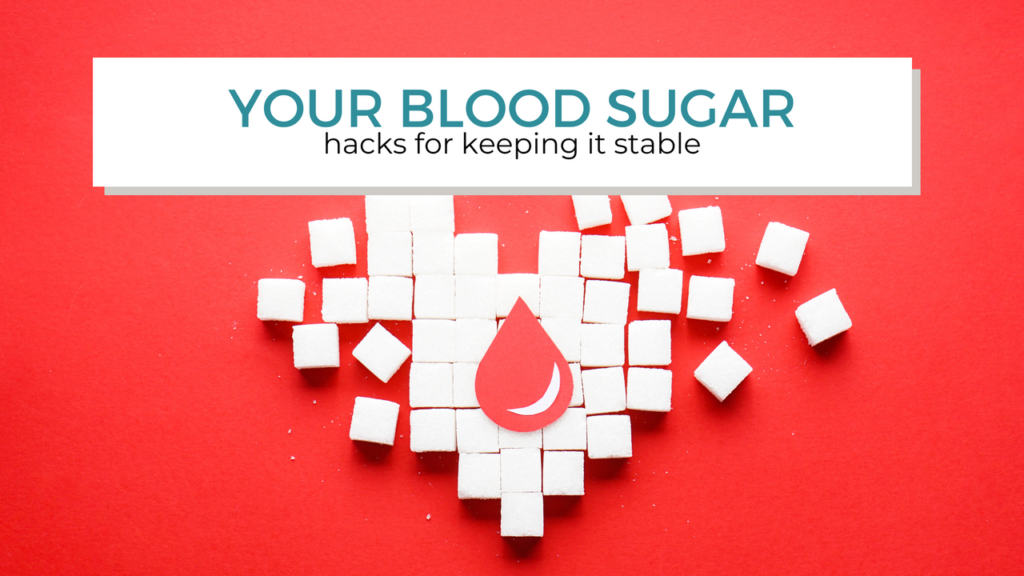
Lowering blood sugar quickly can be as simple as moving for 10–15 minutes after a meal, staying hydrated, and adjusting how you eat. These practical, science-backed methods help stabilize glucose levels naturally:

  • Move After Meals: Take a 10 to 15-minute walk after eating. Exercising causes your muscles to absorb glucose directly from the bloodstream without needing extra insulin.
  • The “Veggies First” Rule: Eat fiber-rich non-starchy vegetables (like broccoli or leafy greens) at the start of your meal. Fiber slows digestion and the absorption of sugars.
  • Eat Protein with Carbs: Pair complex carbs with lean protein (such as fish, chicken, tofu, or eggs). Proteins slow down the release of glucose into your bloodstream to prevent sudden spikes.
  • Drink More Water: Proper hydration helps your kidneys flush out excess sugar through your urine. It is a simple way to assist in overall glucose management.
  • Try Apple Cider Vinegar: Taking a tablespoon of apple cider vinegar diluted in water before a carb-heavy meal has been shown to improve insulin sensitivity and reduce post-meal glucose spikes.
  • Manage Your Stress: High stress triggers the release of hormones like cortisol, which naturally increases blood sugar. Deep breathing or meditation can help keep these levels in check.

For additional evidence-based strategies, explore the MD Anderson Cancer Center guidelines, or the Medical Center Enterprise resource for more information on managing glucose with food.

Surviving the Hospital: Defending Against Medical Error

617

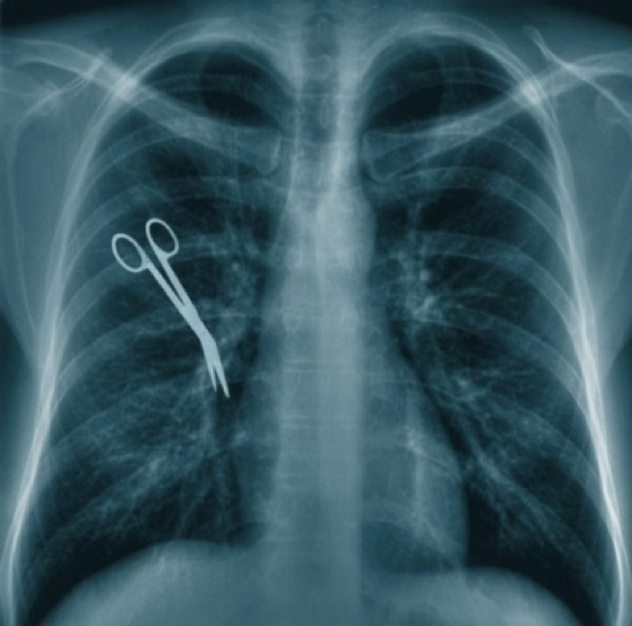
Medical error is estimated to be a top 10 leading cause of death in the United States, trailing only heart disease and cancer, according to a landmark study by Johns Hopkins Medicine. From a longevity perspective, surviving a major health event requires not just surviving the underlying illness, but actively surviving the hospitalization itself. Medical errors act as an acute “longevity bottleneck”—an artificial, preventable spike in mortality that can completely erase decades of careful diet, exercise, and preventative care in a matter of days.

To guard against these systemic vulnerabilities and protect your health span, use this structured defense plan if you or a loved one are hospitalized.

Core Defensive Strategies

  • Appoint a designated advocate: Choose a trusted friend or family member to sit by your bedside, take detailed notes, and speak up when you are too exhausted or sedated to do so.
  • Bring a physical medication list: Maintain an accurate, printed list of all your current prescriptions, over-the-counter supplements, and precise dosages to prevent hazardous drug interactions.
  • Confirm identity before procedures: Verify that the nurse or technician checks your hospital wristband and states your full name and date of birth before administering any drug or drawing blood.
  • Demand strict hand hygiene: Politely but firmly ask every single doctor, nurse, or therapist to sanitize their hands or change gloves immediately before touching you or your IV lines.
  • Inquire about medication changes: Ask “What is this medication, and what is it for?” every time a clinician hands you a pill, especially if the pill looks unfamiliar.

The Ultimate Longevity Bottleneck

  • Longevity science typically focuses on slow, chronic processes like cellular senescence, cardiovascular decay, and metabolic health. However, an unexpected hospitalization introduces a sharp, acute risk vector. A singular, severe medical error—such as a hospital-acquired infection (HAI), a misdiagnosed condition, or a surgical site mistake—can inflict permanent organ damage or prove immediately fatal, abruptly terminating an otherwise optimized lifespan.

  • In older adults or vulnerable patients, an initial medical error rarely acts alone. It typically triggers a “fragility cascade.” For example, a minor medication dosing error might cause severe dizziness. The dizziness leads to a bedside fall, resulting in a hip fracture. The fracture requires surgery, which leads to prolonged immobility, ultimately resulting in a fatal hospital-acquired pneumonia. Preventing the first error is crucial to avoiding this compounding downward spiral.