Standing Tall: Why Tree Pose is the Ultimate Anti-Aging Yoga Move

treepose

Have you ever practiced the tree pose? It has many vaulable benefits!

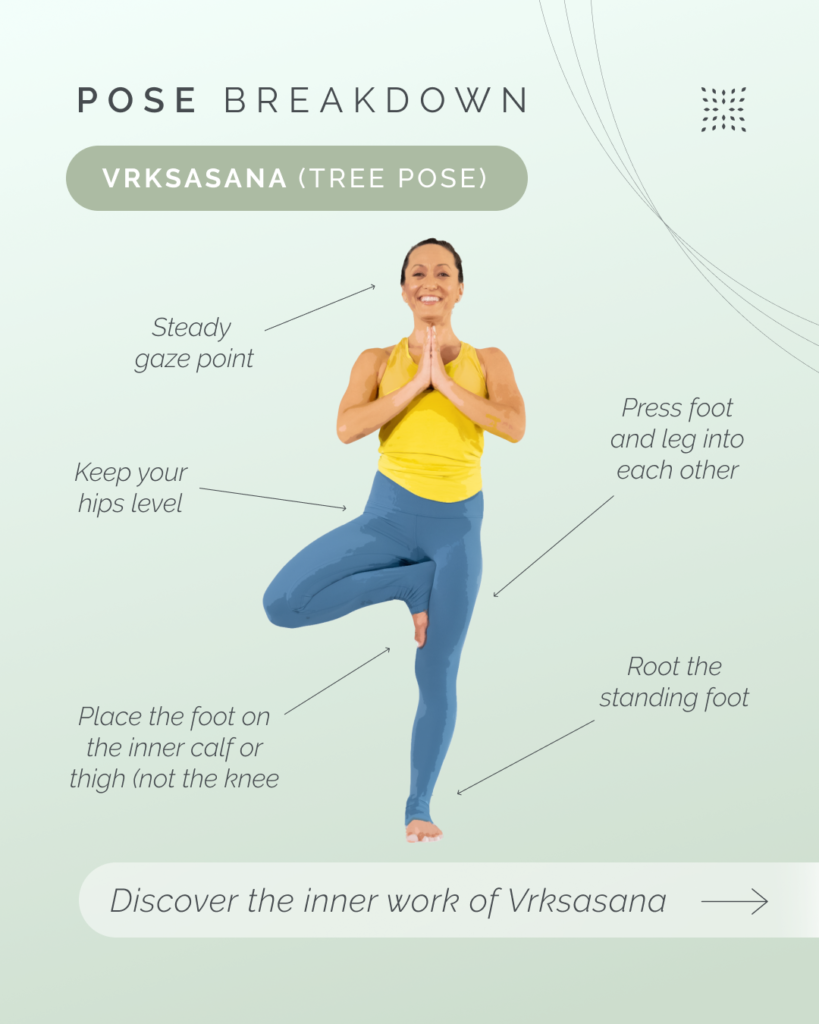
The tree pose (Vrksasana) enhances wellness and longevity by improving balance, strengthening core and leg muscles (ankles, calves, thighs), and increasing mental focus. It promotes longevity by combating age-related decline in stability, which is a key predictor of life expectancy, and helps prevent falls. 

Key Benefits for Wellness and Longevity:

  • Improved Balance and Stability: As a single-leg pose, it strengthens the muscles and joints of the feet and ankles, crucial for maintaining stability as you age.
  • Physical Strength: It tones and strengthens the entire lower body and engages the core, promoting better posture and spinal alignment.
  • Mental Focus and Calm: The pose requires focusing on a single point (drishti) and steady breathing, which reduces stress and enhances mental concentration.
  • Flexibility: It gently opens the hips, groin, and shoulders, improving overall mobility.
  • Longevity Link: Research indicates that the ability to stand on one leg is strongly linked to reduced mortality risk, with inability to do so correlating with a higher risk of death. 

Tips for Practice:

  • Modify: Use a wall for support and keep the foot on the calf or ankle instead of the inner thigh to begin.
  • Focus: Fix your gaze on a non-moving object to enhance balance and concentration.
  • Engage: Press the standing foot firmly into the ground to build a solid foundation. 

Is Your Bedtime Scroll Ruining Your Sleep? Here is Why You Should Stop

bedtimesocialmedia

Shutting off social media a few hours before bedtime is highly beneficial for wellness and longevity because it mitigates the negative impacts of blue light on sleep cycles, reduces psychological stimulation (stress/anxiety), and allows the brain to enter a state of restful, restorative calm. By fostering better sleep quality, which is essential for immune function, cognitive repair, and mental health, this habit helps prevent chronic illnesses and contributes to overall longevity. 

Let’s look deeper at why this practice supports wellness and longevity:

1. Protects Sleep Quality and Circadian Rhythms (Biological Health) 

  • Melatonin Regulation: Screens on smartphones and tablets emit blue light that mimics daylight, which signals the brain to suppress the production of melatonin, the hormone responsible for regulating sleep-wake cycles.
  • Combating “Biological Insomnia”: Studies show that using screens within 2 hours of bedtime can significantly reduce the melatonin surge needed to fall asleep, with one study indicating this creates a form of biological insomnia.
  • Better Sleep Architecture: Limiting blue light exposure, particularly 30–60 minutes before bed, improves sleep quality, specifically increasing the ratio of deep, restorative sleep. 

2. Reduces Mental Stimulation and “Doomscrolling” (Psychological Health) 

  • Lowers Cortisol and Anxiety: Social media feeds often contain distressing news or curated images that trigger negative emotions, such as social comparison, fear of missing out (FOMO), or anxiety, which directly hinder the ability to fall asleep.
  • Stops Cognitive Arousal: Engaging with interactive content keeps the brain alert, while cutting it off allows for the necessary mental downshift. Passive activities, like reading a book, are less likely to keep the mind buzzing, say experts.
  • Reverses “Brain Rot”: A break allows the brain’s dopamine system, often overstimulated by endless scrolling and notifications, to reset, which is crucial for reducing chronic stress. 

3. Fosters Long-Term Physical Health and Longevity 

  • Reduces Chronic Illness Risk: Poor sleep is linked to serious, long-term health problems, including cardiovascular disease, diabetes, obesity, and cognitive decline.
  • Improved Cognitive Function: Short-term digital detoxes, including limiting nighttime use, can improve attention spans and reverse some aspects of age-related cognitive decline.
  • Lowered Inflammation: Better sleep hygiene reduces the need for pharmaceutical sleep aids and lowers the oxidative stress and inflammation that impair immune function. 

4. Improves Mental Well-being 

  • Reduced Anxiety and Depression: Studies have found that a short-term reduction in social media use (specifically, a detox) resulted in a 16% reduction in anxiety symptoms, 24% decrease in depression, and 14.5% decrease in insomnia.
  • Increased Mindfulness: Removing the compulsion to check social media allows the mind to enter a state of relaxation and mental clarity. 

Recommendations for Implementation

  • One-to-Two Hour Buffer: Experts suggest turning off all screens at least 30–60 minutes before bed, and ideally two hours if you struggle with sleep.
  • Charge Outside the Bedroom: Keep phones and tablets out of the bedroom to remove the temptation to scroll in bed, which is a common cause of insomnia.
  • Replace with Low-Stimulation Activities: Swap the phone for a book, light stretching, yoga, or a warm bath. 

The Fiction Cure: How Storytelling Keeps Your Brain Young

fiction

Reading fiction is highly beneficial for brain health and longevity in older adults, with studies showing that regular readers (30+ minutes a day) may live an average of 23 months longer than non-readers. Fiction specifically offers unique advantages over other media by forcing the brain to engage in “deep reading,” which stimulates neural connectivity, strengthens memory, and reduces stress. 

Let’s dig deeper and see why reading fiction promotes brain health and longevity as we age:

1. Protects Against Cognitive Decline 

  • Strengthens Cognitive Reserve: Reading activates multiple brain networks simultaneously—language, attention, memory, and imagination—which builds “cognitive reserve”. This reserve helps the brain compensate for age-related damage or, as research suggests, continue functioning well even if it shows signs of Alzheimer’s or dementia.
  • “Use It or Lose It” Exercise: Following complex, fictional plots requires remembering characters, settings, and storylines, which acts as a “workout” for both short-term and long-term memory.
  • Slower Memory Decline: A 14-year study revealed that older adults who engage in mentally stimulating activities like reading have a significantly slower rate of cognitive decline. 

2. Increases Longevity and Reduces Stress 

  • Survival Advantage: A Yale School of Public Health study found that people who read books for 30+ minutes a day lived, on average, 23 months longer than non-readers.
  • Stress Reduction: Reading can reduce stress levels by up to 68% in just six minutes, making it more effective than listening to music or taking a walk. It brings the brain into a “trance-like” state similar to meditation, lowering heart rate and muscle tension.
  • Lowered Mortality Risk: Regular readers (3.5+ hours per week) showed a 23% lower risk of mortality over a 12-year period compared to non-readers. 

3. Boosts Emotional Intelligence and Social Connection 

  • Empathy Training: Reading fiction allows readers to “step into the shoes” of different characters, which enhances empathy and social perception—skills that are critical for healthy, active aging.
  • Counteracts Loneliness: As a “proxy for social experience,” fiction reading provides companionship without the pressure of direct social interaction, helping to reduce feelings of loneliness.
  • Mental Flexibility: Fiction exposes readers to diverse perspectives, which fosters “adaptive intelligence,” keeping the mind flexible and open to new ideas. 

4. Improves Mental Health and Sleep 

  • Improved Sleep Quality: Swapping screen time for reading a physical book before bed promotes better sleep, as it avoids the blue light that disrupts sleep cycles, improving overall mental well-being.
  • Escapism and Emotional Nourishment: Fiction offers a “wholesome” escape from daily worries, pain, or grief, providing emotional comfort. 

Summary of Key Findings

  • The “Deep Reading” Effect: Unlike news or magazines, books (especially fiction) require deeper focus, which provides more substantial cognitive benefits.
  • Audiobooks Count: The brain processes stories almost identically whether they are read or heard, making audiobooks a great alternative for those with visual impairments.
  • Neuroplasticity: Regular reading helps create new synapses and strengthens existing ones, promoting a “plastic” or adaptable brain. 

Can Cinnamon Really Help You Live Longer?

cinnamon

Why is cinnamon considered so good for us?

Cinnamon is known as a healthy spice with potential longevity benefits due to its high concentration of antioxidants (specifically polyphenols), anti-inflammatory properties, and ability to modulate key cellular processes. Active compounds in cinnamon, particularly cinnamaldehyde, are linked to improved cognitive function, heart health, and metabolic regulation. 

Let’s drill down on how cinnamon supports health and longevity: 

1. Mechanisms for Longevity and Healthy Aging 

Recent studies, particularly on model organisms like C. elegans and human cells, have revealed that cinnamon acts on fundamental aging mechanisms: 

  • mTORC1 and Autophagy Signaling: Dietary cinnamon, specifically cinnamaldehyde, has been shown to prolong lifespan and healthspan by inhibiting mTORC1 and activating autophagy. Autophagy is a cellular “cleanup” process that removes damaged components, improving cellular homeostasis and resisting age-related decline.
  • Dietary Restriction Mimetic: Cinnamon acts similarly to dietary restriction, helping the body manage nutrients efficiently without reducing food intake.
  • Reduced βbeta𝛽-Amyloid Toxicity: It has been shown to reduce Db314479 5f88 4668 Ab84 D62f85fac1a1βbeta𝛽-amyloid toxicity, which is a major factor in Alzheimer’s disease, thereby supporting cognitive health. 

2. Metabolic Health and Blood Sugar Control 

Cinnamon is widely recognized for its ability to help manage diabetes and metabolic syndrome, which are major drivers of aging: 

  • Improved Insulin Sensitivity: It enhances the body’s sensitivity to insulin, aiding in the transport of glucose from the bloodstream into cells.
  • Lowered Blood Sugar: Consuming 1–6 grams (roughly 0.5–2 teaspoons) of cinnamon daily has been shown to reduce fasting blood sugar, LDL (bad) cholesterol, and triglyceride levels.
  • Slowing Carbohydrate Breakdown: It can slow the rate at which food empties from the stomach, preventing sharp post-meal blood sugar spikes. 

3. Antioxidant and Anti-inflammatory Properties 

Cinnamon is packed with antioxidants, ranking among the top spices for polyphenol content, which protects the body from oxidative damage: 

  • Neutralizing Free Radicals: These antioxidants fight oxidative stress, a primary contributor to chronic diseases and aging.
  • Lowering Inflammation: Cinnamon reduces chronic inflammation, which is linked to cancer, arthritis, and cardiovascular disease. 

4. Heart and Cognitive Health 

  • Cardiovascular Support: By lowering total cholesterol, LDL, and triglycerides, and helping to manage blood pressure, it reduces risk factors for heart disease.
  • Brain Function: Compounds like cinnamaldehyde and cinnamic acid can protect neurons and normalize neurotransmitter levels, potentially slowing cognitive decline. 

5. Types of Cinnamon and Safety 

  • Ceylon vs. Cassia: While both types have benefits, Ceylon cinnamon (“true” cinnamon) is considered safer for daily use because it has very low levels of coumarin, a compound that can cause liver damage in high doses.
  • Recommended Intake: A general recommendation is about 0.5 to 1 teaspoon (2-4 grams) of cinnamon per day, incorporated into a balanced diet. 
  • Caution: Cinnamon should not replace medical treatments for diabetes or other conditions. Consult a healthcare provider before adding large amounts of cinnamon to your diet.

Sauna for Longevity: Boosting Wellness with Heat Therapy

sauna

Have you tried a hot sauna? These are getting a lot of attention lately and the research is promising. Regular use of a hot sauna offers significant benefits for the body, particularly for cardiovascular healthstress reduction, and potentially increasing overall longevity. These benefits arise from the body’s physiological response to heat stress, which mimics some of the effects of moderate-intensity exercise. 

Main Benefits for the Body

  • Improved Cardiovascular Health: Sauna heat causes blood vessels to dilate and the heart rate to increase, which improves circulation and blood flow, similar to a cardio workout. Regular use is linked to:
    • Lower blood pressure.
    • Reduced risk of fatal heart-related diseases, including sudden cardiac death, coronary heart disease, and stroke.
    • Improved cholesterol profiles (increased HDL “good” cholesterol and decreased LDL “bad” cholesterol).
    • Enhanced function of the endothelium, the inner lining of blood vessels.
  • Muscle Recovery and Pain Relief: Increased blood flow to muscles helps reduce soreness and speeds up the body’s natural healing process. Saunas can also ease pain and stiffness associated with conditions like arthritis and fibromyalgia.
  • Stress Reduction and Mental Well-being: The relaxing atmosphere of a sauna, combined with the release of endorphins (natural “feel-good” chemicals), helps reduce stress and anxiety and may even lower cortisol levels. This can lead to better sleep quality and overall improved mental resilience.
  • Enhanced Immune Function: The body’s exposure to heat may stimulate white blood cell production and reduce markers of chronic inflammation, which can help the body fight off common colds and other illnesses more effectively.
  • Respiratory Health Improvements: Sauna use may help alleviate symptoms of respiratory ailments such as asthma and COPD by promoting bronchodilation and helping to clear mucus from the airways. 

Impact on Longevity

Studies have shown a strong association between frequent sauna bathing and reduced risk of all-cause mortality, which is the primary indicator of increased longevity. 

  • Reduced All-Cause Mortality Risk: One landmark Finnish study that followed over 2,300 men for two decades found that those who used a sauna 4-7 times per week had a 40% lower risk of all-cause mortality compared to those who only went once a week.
  • Protection Against Neurodegenerative Diseases: Regular sauna use (4-7 times a week) is associated with a significantly lower risk of developing dementia and Alzheimer’s disease (by up to 66% and 65%, respectively). This benefit is linked to improved blood flow to the brain, reduced inflammation, and the production of brain-derived neurotrophic factor (BDNF), a protein that promotes the growth of new neurons.
  • Cellular Repair and Adaptation: Heat stress triggers the production of heat shock proteins (HSPs), which repair damaged proteins and protect cells from future stress, a process associated with slowing cellular aging and increasing longevity. 

For optimal results, studies suggest aiming for 4 to 7 sessions per week, each lasting approximately 15 to 20 minutes, but it is important to stay well-hydrated and consult a physician before beginning a new sauna regimen, especially if you have existing health conditions.