What Are the Advantages to Wearing a CGM?

cgm

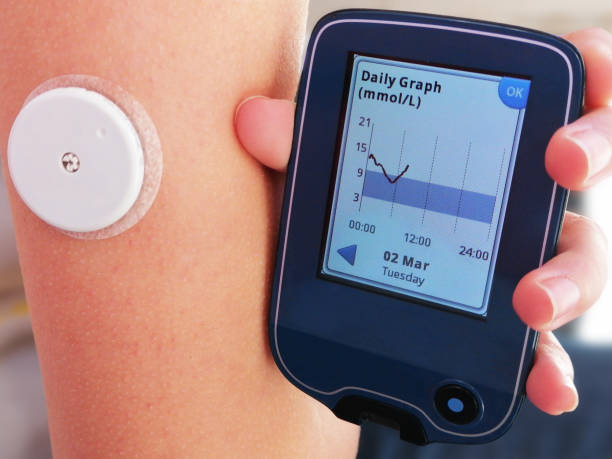
Wearing a constant glucose monitor (CGM) boosts wellness and longevity by providing real-time feedback on how food, exercise, sleep, and stress impact your blood sugar, allowing for data-driven lifestyle adjustments to stabilize glucose levels, prevent dangerous highs and lows, reduce inflammation, and lower the risk of chronic diseases like cardiovascular issues, ultimately promoting better metabolic health and energy management for a longer, healthier life. 

Key Benefits

  • Real-time Alerts & Trends: Get immediate warnings for low (hypoglycemia) or high (hyperglycemia) glucose and see trends (rising, falling, steady), helping prevent emergencies.
  • Deeper Insights: Understand how specific foods, exercise, stress, and sleep affect your blood sugar in real-time, enabling better daily choices.
  • Improved Management: Helps healthcare teams fine-tune medication (like insulin) and helps users make proactive behavioral changes.
  • Enhanced Safety: Alarms for nighttime lows or rapid drops protect against severe hypoglycemia, especially for those who can’t feel them.
  • Data Sharing: Allows family, friends, or caregivers to monitor levels, providing a crucial safety net.
  • Better Outcomes: Leads to more time in range, lower A1C, and reduced risk of diabetes complications.
  • Early Detection: Can help identify prediabetes or undiagnosed diabetes in at-risk individuals, encouraging early intervention. 

Who Benefits Most?

  • People with Type 1 or Type 2 diabetes, especially those on insulin.
  • Individuals with prediabetes or risk factors for diabetes.
  • People with hypoglycemia unawareness (difficulty sensing low blood sugar).
  • Athletes or active individuals managing glucose levels.

Is Wordle A Brain Booster for Longevity and Cognitive Health?

wordle

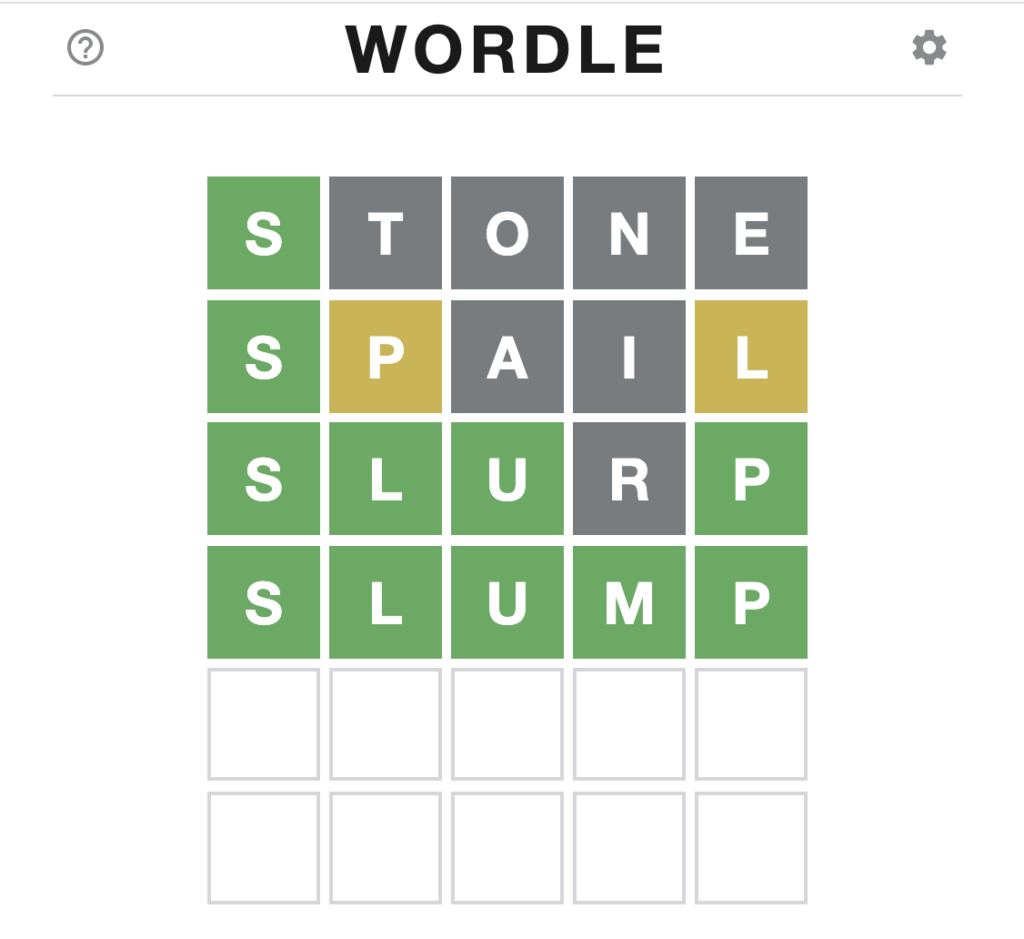
Playing Wordle and similar games daily offers some cognitive benefits like stress relief (dopamine boost) and mental engagement, improving focus, vocabulary, and problem-solving, but it’s not a miracle cure for brain aging; it’s best combined with diverse activities like reading, learning new skills, and social interaction for true brain health and longevity, as getting better at Wordle doesn’t automatically boost overall brain power. 

Benefits of daily Wordle

  • Dopamine boost: Guessing correctly provides a small reward, acting as a stress reducer, says neurologist Amy Sanders.
  • Cognitive stimulation: It challenges your brain with problem-solving, pattern recognition, and vocabulary.
  • Focus & Memory: Helps improve attention, concentration, and memory, according to speech-language pathologist Kayla Jones.
  • Social Connection: Can become a fun way to connect with family and friends daily, says Baptist Health. 

Limitations & What’s Better

  • Not a magic bullet: Experts caution that you primarily get better at Wordle itself, not necessarily overall cognitive function.
  • Variety is key: Experts, like UO psychology professor Ulrich Mayr, suggest mixing it up with learning new things, reading, computer use, and social activities for better cognitive reserve.
  • Group activities are best: Rochester Regional Health notes that group games (like Scrabble) or physical activities with others offer more comprehensive brain benefits than solo games. 

The Bottom Line

Enjoy Wordle as a fun, quick mental “vitamin” and stress reliever, but don’t rely on it as your sole strategy for long-term brain health; combine it with a varied, active lifestyle for the best results. 

Have You Tried Elevating Your Legs Before Bed for Better Sleep?

legs up wall

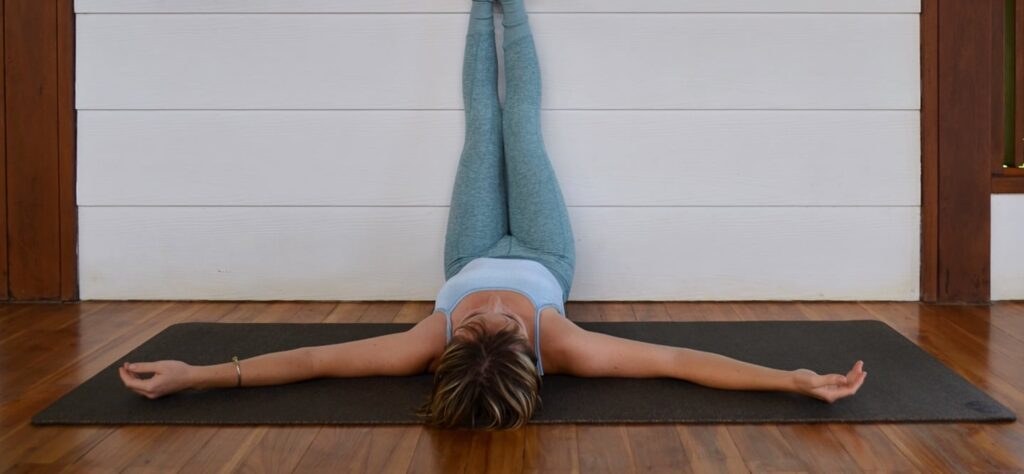
Elevating or putting your legs up (Viparita Karani) before sleep promotes longevity and wellness by activating the body’s relaxation response, improving circulation, reducing stress, easing muscle tension, and calming the mind, all of which support better sleep, hormonal balance (like cortisol), and overall restorative health. It helps drain stagnant fluid from the legs, soothes tired muscles, and calms the nervous system, setting you up for deeper rest and better recovery. 

How it Supports Wellness

  • Improves Circulation & Reduces Swelling: Gravity helps blood and lymphatic fluid flow from your legs back towards your heart, easing heaviness, swelling, and potential blood pooling in the lower limbs.
  • Activates Relaxation: The pose stimulates the parasympathetic nervous system (rest-and-digest) via the vagus nerve, slowing your heart rate and calming your mind, which counters stress.
  • Lowers Stress Hormones: It helps down-regulate cortisol and adrenaline, reducing stress and promoting better adrenal recovery and stress resilience.
  • Soothes Muscles & Back: Gently stretches hamstrings, calves, and lower back, releasing tension built up from standing or sitting all day.
  • Boosts Lymphatic & Immune Systems: By encouraging fluid movement, it supports the lymphatic system, which is crucial for filtering waste and fighting pathogens.
  • Enhances Sleep Quality: Calming the mind and body and easing physical discomforts (like cramps or back pain) makes it easier to fall asleep and achieve more restful sleep. 
  • Reduces Swelling & Inflammation: By encouraging fluid drainage, it lessens swelling (edema) in the feet and ankles, easing discomfort and supporting recovery from injury or standing/sitting all day.
  • Supports Heart Health: With easier blood return, the heart doesn’t have to work as hard, reducing cardiovascular strain. 

While not a magic bullet, the cumulative effect of reduced stress, better sleep, and improved bodily function contributes to long-term health. By promoting relaxation and balancing the nervous system, it helps your body recover more effectively, which supports overall well-being and resilience against the effects of aging and chronic stress. 

Gravity’s Gym: The Power of Uphill Walking

hillwalking

Are you on a flat surface when you usually walk? Walking hills offers significant advantages over flat or treadmill walking by burning more calories, building strength in glutes, hamstrings, and calves with less joint impact, improving cardiovascular fitness faster, and engaging stabilizing muscles for better balance, making it a highly efficient workout for endurance and muscle building without the high impact of running. 

Also of interest is that people in Blue Zones (global regions where people live exceptionally long lives, often exceeding 100 years, due to shared lifestyle traits) often live in hilly terrain and have a strong, common habit of walking as a natural, integrated part of their daily lives, rather than structured gym workouts, often reaching 10,000  or more steps daily through activities like gardening and outdoor work, contributing significantly to their longevity. This environment constantly nudges people to move, providing exercise without intentional gym time.

Key Advantages of Hill Walking

  • Higher Calorie Burn: Your body works harder to move uphill, significantly increasing calorie expenditure compared to flat walking at the same pace.
  • Muscle Strengthening: Engages glutes, hamstrings, quads, and calves more intensely, building power and definition.
  • Lower Impact: Works muscles harder without the pounding impact of running, making it great for those recovering from injury or building fitness.
  • Improved Cardiovascular Health: Elevates your heart rate more quickly, boosting aerobic fitness.
  • Enhanced Stability: Walking on varied outdoor terrain or inclines strengthens core and stabilizing muscles, improving balance and coordination.
  • Metabolic Boost: Increased muscle activation boosts metabolism and aids in fat burning. 

How it Compares

  • Vs. Flat Walking: Hills add intensity and challenge, transforming a moderate walk into a powerful strength and cardio workout.
  • Vs. Treadmill (Flat): While a treadmill offers controlled intensity, hills provide varied muscle engagement and often a more functional, real-world workout, especially outdoors.
  • Vs. Running: Incline walking can offer comparable fat-burning benefits to running but with much less stress on your joints. 

How to Get Started

  • To start walking hilly areas, begin with short, manageable walks on gentle inclines, gradually increasing duration and hill steepness, focusing on small steps, steady breathing, and maintaining good posture (leaning slightly forward, not into the hill).

Are You Eating Out Too Frequently?

xr:d:dafwfw2rflk:31,j:1429047277,t:23010505

Eating out frequently, especially two or more meals prepared away from home daily, is linked to an increased risk of early death (all-cause mortality), with recent studies showing a nearly 50% higher risk compared to eating home-cooked meals, primarily due to higher sodium, saturated fats, sugars, phthalates, and lower fiber/micronutrients, which contribute to chronic diseases like heart disease and cancer, shortening lifespan. The relationship isn’t direct cause-and-effect, but frequent dining out often signals an overall less healthy, more stressful lifestyle, further impacting longevity. 

Why Eating Out Can Be Detrimental

Fast food impacts longevity through several physiological mechanisms: 

  • Nutritional Disparity: Restaurant meals often contain more unhealthy fats (saturated/trans), sodium, and sugar, and fewer vegetables, fiber, and essential minerals compared to home-cooked meals.
  • Chemical Exposure: People who eat out more often tend to have higher levels of phthalates, chemicals found in plastics, which are linked to cardiovascular problems.
  • Lifestyle Factors: Frequent dining out can also indicate a busier, more stressful lifestyle, which adds to health burdens. 
  • Nutritional Profile: It is typically high in sodium, trans fats, added sugars, and calories, while remaining low in essential fiber and antioxidants.
  • Inflammation: A single serving of fast food can trigger immediate, systemic inflammation in the body.
  • Secondary Conditions: Regular intake leads to a “cascade” of conditions that shorten lifespan, including obesity, hypertension, and insulin resistance. 

Why Fast Food Affects Longevity

While an occasional fast food meal is considered relatively harmless in an otherwise balanced diet, regular consumption (multiple times per week) is firmly linked to a shorter lifespan.

Consistently eating restaurant or takeout food increases your risk for chronic diseases, which shortens life expectancy. Reducing the frequency of meals prepared away from home and prioritizing home-cooked, nutrient-dense meals is a significant step toward improving your diet and potentially extending your life. 

To avoid eating out frequently, plan meals, prep ingredients ahead (like chopping veggies), cook in batches for leftovers, keep simple “reliable” meals in rotation, stock up on healthy snacks for on-the-go, and make home cooking fun by trying new recipes, making grocery shopping more exciting, and using tools like slow cookers to simplify things. 

Planning & Prep

  • Meal Plan & Prep: Plan meals weekly, prep ingredients (chop veggies, cook grains) on a Sunday, and make large batches for future meals or freezing.
  • Cook Once, Eat Twice: Make extra servings of dinner to have as lunch or dinner the next day.
  • Have “Reliable” Meals: Keep 5 simple, quick meals in your back pocket that you can make without a recipe.
  • Stock Up: Keep your fridge and pantry stocked with staples like pre-cut veggies, marinaded meats, canned beans, and healthy snacks (fruit, granola bars, crackers). 

Making Home Cooking Appealing

  • Get Creative: Experiment with new recipes from cookbooks or online to make home-cooked food exciting.
  • Use Convenience: Don’t be afraid of shortcuts like rotisserie chickens, pre-cut veggies, or frozen meals to save time.
  • Simplify: Use a slow cooker or rice cooker to make cooking hands-off. 

Mindset & Habits

  • Pack Lunches & Snacks: Take food with you when running errands or to work to avoid temptations.
  • Have Snacks Ready: Keep healthy, non-perishable snacks in your car or bag for when hunger strikes.
  • Track Costs: Calculate how much you save by cooking at home versus eating out to stay motivated.
  • Set Challenges: Commit to a week or month without eating out to break the habit.