Floss Your Way to 100: The Surprising Connection Between Teeth and Longevity

tooth

Your oral health acts as a literal gateway to your overall health and longevity. Multiple longitudinal health studies reveal that maintaining healthy teeth and gums significantly lowers the risk of all-cause mortality, while severe tooth loss and untreated advanced periodontal disease are strongly correlated with a shorter lifespan.

The Mouth-Body Longevity Connection

Your mouth is home to billions of microbes. When poor hygiene allows pathogenic bacteria to overrun your mouth, it triggers a cascade of systemic issues that directly impact your lifespan:

  • Chronic Inflammation: Gum disease (periodontitis) is a persistent inflammatory infection. This localized inflammation triggers the release of systemic inflammatory markers into your bloodstream, accelerating biological aging and contributing to the breakdown of organs and blood vessels.
  • Cardiovascular Health: Specific oral pathogens, such as Porphyromonas gingivalis, can enter the bloodstream through bleeding gums. These bacteria can migrate to the heart, bind to arterial walls, and accelerate the buildup of fatty plaques (atherosclerosis), drastically raising the risk of heart attacks and strokes.
  • Cognitive Preservation: Scientists have discovered oral bacteria and their toxic byproducts inside the brains of Alzheimer’s patients. The resulting neuroinflammation is a known catalyst for cognitive decline.
  • Nutritional Integrity: Losing your natural teeth limits your “masticatory function”—your ability to properly chew. This often forces a dietary shift away from nutrient-dense, fibrous foods (like raw vegetables, nuts, and lean meats) toward soft, highly processed carbohydrates, leading to systemic malnutrition and frailty in older age.

Actionable Tips for a Healthy Mouth and Longer Life

Protecting your longevity through oral care requires an effective, consistent daily strategy.

1. Implement the 2-2-2 Rule

Brush your teeth twice a day, for at least two minutes each session, and visit your dentist twice a year. Use a soft-bristled toothbrush to protect your enamel and prevent gum recession. Consider upgrading to an electric toothbrush, as many models feature built-in pressure sensors to prevent aggressive brushing while optimizing plaque removal.

2. Clean Between the Teeth Daily

Brushing only cleans about 60% of your tooth surfaces. Plaque hiding between the teeth must be disrupted daily using dental floss, interdental brushes, or a water flosser. Studies show that consistent flossing can significantly lower the systemic biological stress caused by hidden interproximal infections.

3. Sanitize Your Tongue

Your tongue possesses a vast surface area that acts as a velvet trap for food debris and volatile sulfur-producing bacteria. After brushing your teeth, use your toothbrush bristles or a dedicated tongue scraper from the back of the tongue to the front. This removes the bacterial biofilm that contributes to bad breath and oral dysbiosis.

4. Feed a Balanced Oral Microbiome

Keep your mouth naturally clean by drinking plenty of fluoridated tap water, which helps wash away debris and rebuild minerals. Limit simple sugars and acidic beverages that feed cavity-causing bacteria. Incorporate calcium-rich dairy or leafy greens to reinforce bone and tooth structure, and eat fibrous fruits and vegetables to naturally stimulate saliva flow.

5. Protect and Boost Your Saliva Flow

Saliva is your mouth’s primary natural defense mechanism; it neutralizes bacterial acids and supplies protective enzymes. If you suffer from dry mouth—a common side effect of hundreds of daily medications—talk to your healthcare provider. You can also stimulate saliva production by chewing sugarless gum containing xylitol or by using artificial saliva substitutes.

What Makes Blackberries a True Superfood?

blackberry

Blueberries often get all the attention, but blackberries are great for you too! Blackberries promote health and longevity by providing fiber for gut/heart health, antioxidants (like anthocyanins) to fight chronic disease/inflammation, and essential vitamins (C, K) for immunity/bones, boosting brain function, aiding weight management, and supporting liver health, all while being low in sugar, making them a nutrient-dense, protective addition to any diet. 

Key Health & Longevity Benefits:

  • Rich in Antioxidants: High in anthocyanins and phenolic compounds, they combat free radicals, reduce inflammation, and protect against cancers, heart disease, and age-related cognitive decline.
  • Boosts Brain Health: Antioxidants and polyphenols help reduce oxidative stress, inflammation, and degeneration in the brain, potentially improving memory and delaying neurodegenerative diseases like Alzheimer’s.
  • Improves Digestive Health: High fiber content promotes regular bowel movements, prevents constipation, and supports gut health, lowering risks for colorectal issues.
  • Supports Heart Health: Fiber helps control cholesterol and blood sugar, while anthocyanins lower inflammation and improve lipid profiles, reducing cardiovascular risk.
  • Manages Blood Sugar & Weight: Low glycemic index and high fiber slow sugar absorption, preventing spikes, while promoting fullness for weight management.
  • Rich in Vitamins & Minerals: Excellent source of Vitamin C (immunity, iron absorption), Vitamin K (blood clotting, bone health), and Manganese (energy, bone growth).

Blackberries are a low-calorie, nutrient-packed fruit that helps protect the body at a cellular level, supports vital organ systems, and contributes to a longer, healthier life. Grab a handful of blackberries for a sweet, tart burst of flavor packed with brain-boosting antioxidants, heart-healthy fiber, and essential vitamins like C and K, making them a delicious way to support your overall health from gut to brain. These low-calorie gems fight inflammation and promote steady blood sugar, making them a powerful, tasty addition to any diet.

Boost VO₂ Max and Lifespan with the Assault Bike

bike

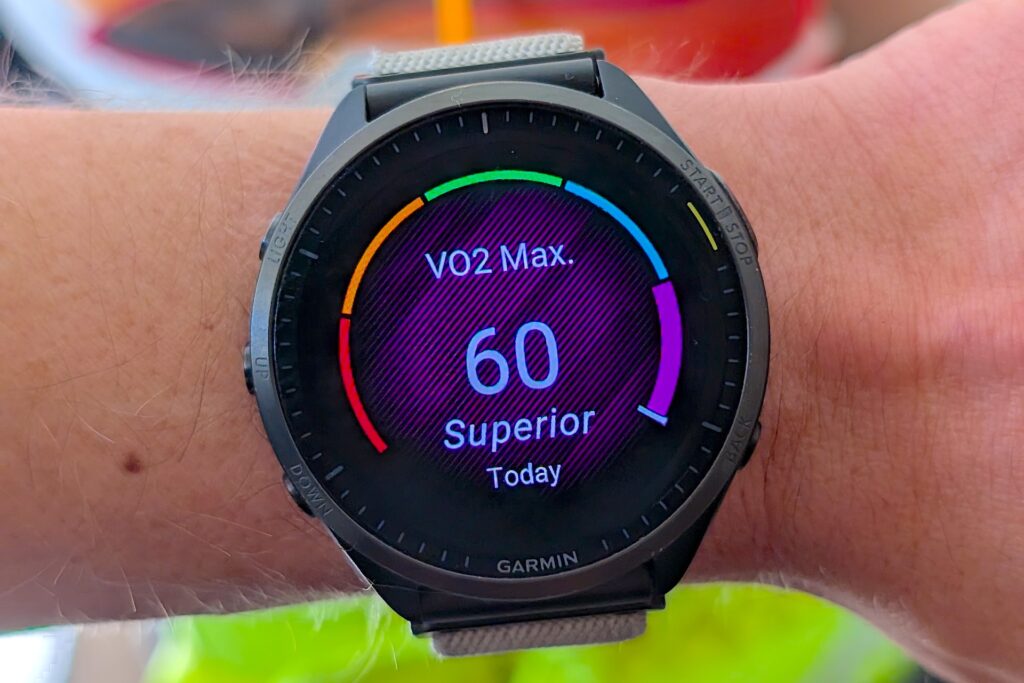
The assault bike is an exceptionally effective tool for Zone 5 cardio—maximum intensity training at 90–100% of your max heart rate—due to its full-body engagement and air-based resistance. This intensity is a powerful driver for long-term health and longevity, primarily by maximizing VO₂ max, which is considered one of the strongest predictors of life expectancy.

Why the Assault Bike Excels for Zone 5

  • Full-Body Recruitment: Unlike standard cycling, the Assault Bike uses both arms and legs simultaneously. This massive muscle recruitment demands more oxygen, allowing you to reach and sustain Zone 5 heart rates more quickly.
  • Infinite Air Resistance: The bike uses a fan for resistance; the harder you push, the more resistance it generates. This “limitless” ceiling is ideal for the all-out, “redline” efforts required in Zone 5.
  • Low Impact: High-intensity running can be hard on the joints. The assault bike provides a low-impact alternative that allows for maximum cardiovascular strain without the orthopedic risk associated with sprinting.

Benefits for Health and Longevity

Zone 5 training on an air bike triggers physiological adaptations that are critical for aging well:

  • VO₂ Max & Mortality: Research indicates that having a high VO₂ max—achievable through Zone 5 intervals—can lead to a five-fold reduction in mortality risk compared to those in the lowest fitness categories.
  • Mitochondrial & Metabolic Health: Training at these intensities improves lactate threshold and the body’s ability to recycle lactate. Efficient lactate clearance is linked to metabolic health and a reduced risk of chronic diseases like diabetes.
  • Cardiac Strength: Zone 5 forces the heart to its maximal pumping capacity, which can increase stroke volume (blood pumped per beat) and lower your resting heart rate over time.
  • Muscle Preservation: The explosive nature of these workouts recruits fast-twitch muscle fibers, which are often the first to decline as we age.

Practical Zone 5 Implementation

For longevity purposes, experts often recommend a “4×4” protocol or similar high-intensity intervals:

  1. Warm-up: 5–10 minutes of light pedaling.
  2. The Interval: 3–4 minutes of work at an effort where you can no longer speak (Zone 5).
  3. The Recovery: 3–4 minutes of very light, active recovery.
  4. Repeat: Complete 3–4 rounds once or twice per week.

Don’t Just Live Longer, Live Stronger: How Deadlifts Fight the Effects of Aging

dl

Deadlifting keeps you young by building significant muscle and bone density, boosting metabolism, and stimulating anabolic hormones like testosterone and HGH, counteracting age-related decline (sarcopenia), strengthening bones against fractures, and improving functional strength for daily life, making you more resilient and vital as you age. 

Deadlifts are great for health and longevity because they build functional strength for daily life, improve bone density, boost metabolism by building muscle, enhance posture, prevent injuries by strengthening the core and posterior chain (glutes, hamstrings, back), and stimulate key hormones like testosterone and growth hormone. Kettlebells are an excellent way to add deadlifting to your routine.

Health Benefits

  • Builds Functional Strength: Mimics lifting real-world objects, making daily tasks easier and safer.
  • Boosts Bone Density: As a weight-bearing exercise, it increases bone mineral density, combating age-related loss.
  • Improves Posture: Strengthens core and back muscles (erector spinae, lats) that support spinal alignment.
  • Prevents Injuries: Develops core stability and strengthens the entire posterior chain, reducing lower back and knee injury risk.
  • Increases Muscle Mass & Metabolism: Builds significant muscle, which burns more calories at rest, helping with weight management. 

Longevity Benefits

  • Maintains Mobility: Strong hips, glutes, and hamstrings are vital for movement freedom as you age.
  • Hormonal Boost: Stimulates testosterone and growth hormone, important for muscle, bone, and fat regulation.
  • Resilience: A strong, resilient body with a powerful core and back resists the decline often associated with aging.
  • Reduces Pain: Research shows it can alleviate chronic lower back pain, a common issue in older adults. 

In essence, deadlifts train your body to stay strong and functional, directly countering common age-related issues, making them a cornerstone for a long, healthy, and active life. 

Panama’s Mañana Culture Reduces Stress

pan

The “mañana culture” in tropical areas like Panama reflects a slower, more deliberate pace of life that significantly reduces chronic stress, a major driver of biological aging. By shifting focus away from rigid schedules and toward the present moment, residents benefit from physiological and emotional advantages that support long-term health.

Longevity Benefits of Lower Stress

The reduced urgency of daily life in Panama translates into several key health outcomes:

  • Cardiovascular Protection: Chronic stress is known to elevate cortisol and blood pressure, which accelerates heart disease. Panama’s more relaxed environment is associated with lower rates of hypertension and improved heart health.
  • Strengthened Immune Function: A less stressful lifestyle helps maintain a more resilient immune system, making the body better equipped to fight off infections and chronic illnesses that often emerge with age.
  • Slower Biological Aging: Research on similar Latin American cultures, such as the Nicoya Blue Zone in neighboring Costa Rica, suggests that lower stress levels—combined with strong social bonds—can significantly reduce mortality rates, particularly for men over age 60.
  • Improved Mental Well-being: Panama consistently ranks high on global happiness and positivity scales, which is directly linked to its slower pace of life. Positive emotional states and a sense of purpose are primary drivers of healthy longevity and lower risks of dementia.
  • Healthier Habits: The lack of constant “hustle” makes it easier for residents to prioritize:
    • Outdoor Movement: Year-round warm weather and public spaces like the Cinta Costera encourage daily walking and low-impact activity.
    • Social Connection: The culture prioritizes community interactions—like stopping to chat in the street or meeting in town plazas—which reduces the stress associated with isolation.

While the “mañana” mindset can lead to slower bureaucratic processes, the resulting decrease in lifestyle-related pressure provides a powerful “existential lever” for living a longer, healthier life. Embracing “mañana culture” isn’t about procrastination; it’s about shifting your mindset to favor the present moment over rigid schedules to reduce long-term stress.

Three easy ways to incorporate this into your life:

  • Prioritize Relationships Over the Clock: Choose to linger over a meal or conversation rather than rushing to your next task. In Panama, if a friend stops to chat, the schedule takes a back seat to the connection.
  • Release Rigid Expectations: Adopt the understanding that “mañana” often means “not today” rather than a specific time tomorrow. Letting go of the need for immediate results helps you avoid the constant “rush” that elevates cortisol.
  • Savor Daily Rituals: Practice the “art of slowing down” by turning routine activities into mindful moments. This could be a leisurely evening walk or a dedicated quiet period each day to disconnect from digital distractions and reconnect with yourself.