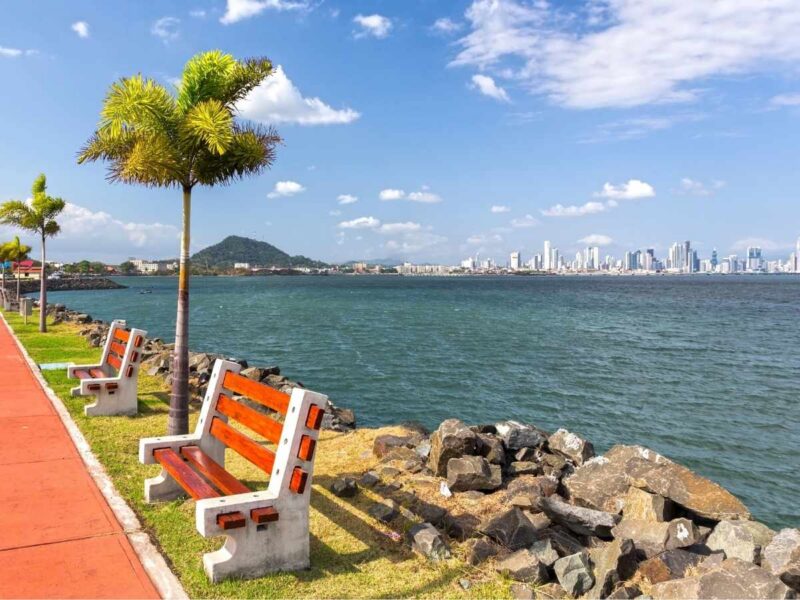
The “mañana culture” in tropical areas like Panama reflects a slower, more deliberate pace of life that significantly reduces chronic stress, a major driver of biological aging. By shifting focus away from rigid schedules and toward the present moment, residents benefit from physiological and emotional advantages that support long-term health.
Longevity Benefits of Lower Stress
The reduced urgency of daily life in Panama translates into several key health outcomes:
- Cardiovascular Protection: Chronic stress is known to elevate cortisol and blood pressure, which accelerates heart disease. Panama’s more relaxed environment is associated with lower rates of hypertension and improved heart health.
- Strengthened Immune Function: A less stressful lifestyle helps maintain a more resilient immune system, making the body better equipped to fight off infections and chronic illnesses that often emerge with age.
- Slower Biological Aging: Research on similar Latin American cultures, such as the Nicoya Blue Zone in neighboring Costa Rica, suggests that lower stress levels—combined with strong social bonds—can significantly reduce mortality rates, particularly for men over age 60.
- Improved Mental Well-being: Panama consistently ranks high on global happiness and positivity scales, which is directly linked to its slower pace of life. Positive emotional states and a sense of purpose are primary drivers of healthy longevity and lower risks of dementia.
- Healthier Habits: The lack of constant “hustle” makes it easier for residents to prioritize:
- Outdoor Movement: Year-round warm weather and public spaces like the Cinta Costera encourage daily walking and low-impact activity.
- Social Connection: The culture prioritizes community interactions—like stopping to chat in the street or meeting in town plazas—which reduces the stress associated with isolation.
While the “mañana” mindset can lead to slower bureaucratic processes, the resulting decrease in lifestyle-related pressure provides a powerful “existential lever” for living a longer, healthier life. Embracing “mañana culture” isn’t about procrastination; it’s about shifting your mindset to favor the present moment over rigid schedules to reduce long-term stress.
Three easy ways to incorporate this into your life:
- Prioritize Relationships Over the Clock: Choose to linger over a meal or conversation rather than rushing to your next task. In Panama, if a friend stops to chat, the schedule takes a back seat to the connection.
- Release Rigid Expectations: Adopt the understanding that “mañana” often means “not today” rather than a specific time tomorrow. Letting go of the need for immediate results helps you avoid the constant “rush” that elevates cortisol.
- Savor Daily Rituals: Practice the “art of slowing down” by turning routine activities into mindful moments. This could be a leisurely evening walk or a dedicated quiet period each day to disconnect from digital distractions and reconnect with yourself.