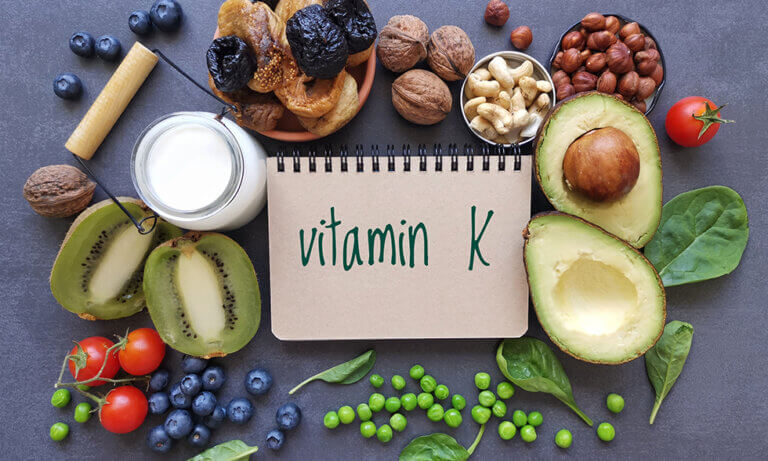
To ensure you get enough Vitamin K, prioritize dark leafy greens and pair them with healthy fats. Aim to consume both Vitamin K1 (plants) and Vitamin K2 (fermented and animal foods) for maximum longevity and wellness benefits.
Dietary Tips for Vitamin K Intake
- Pair Greens with Healthy Fats: Vitamin K is fat-soluble. Drizzle olive oil on a spinach salad or add avocado to maximize nutrient absorption.
- Diversify Your Greens: Stock up on cruciferous and leafy vegetables like kale, spinach, Brussels sprouts, broccoli, and collard greens.
- Eat Fermented Foods: Incorporate Japanese natto (fermented soybeans) or sauerkraut into your diet, as they are exceptional sources of Vitamin K2.
- Include Animal Products: Modest amounts of Vitamin K2 can be found in pasture-raised egg yolks, grass-fed butter, and liver.
- Keep Intakes Steady: If you are taking blood thinners like warfarin, always maintain a consistent daily intake rather than fluctuating.
Why Vitamin K is Vital for Wellness and Longevity
- Bone Health (Osteoporosis Prevention): Vitamin K activates proteins (like osteocalcin) that are essential for incorporating calcium into your bones. This prevents bone loss, reduces fracture risk, and is vital for maintaining mobility as you age.
- Heart and Cardiovascular Health: Vitamin K2 prevents calcium from building up and hardening in your blood vessels. By keeping your arteries flexible and plaque-free, it supports healthy blood circulation.
- Blood Clotting (Coagulation): Its discovery stems from the Danish word for coagulation. Vitamin K is required to produce clotting factors in the liver, which prevents excessive, uncontrolled bleeding when injured.