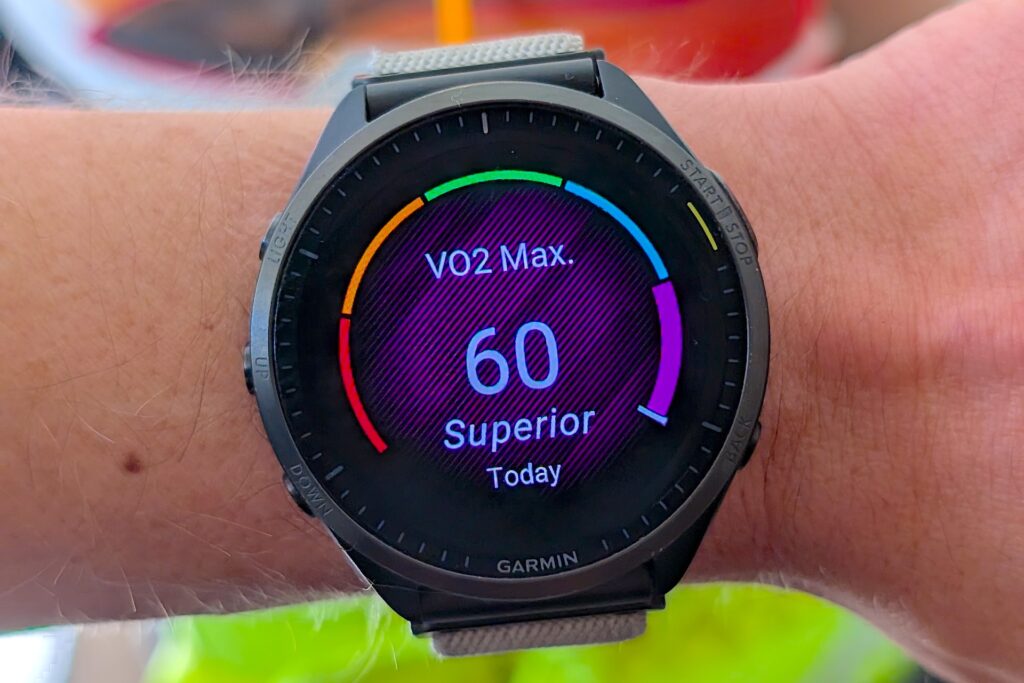
VO2 max is the single strongest predictor of long-term healthspan and survival, with a low score carrying a higher mortality risk than smoking or diabetes. Increasing your VO2 max expands life expectancy because it reflects the integrated health of your lungs, heart, and mitochondria—the cellular powerhouses that drive metabolic youth. For every 1 MET increase (about 3.5 mL/kg/min) in aerobic capacity, all-cause mortality risk drops by 13% to 15%.
Because cardiorespiratory fitness naturally declines by 10% or more each decade after age 30, building a high fitness ceiling today creates a “functional reserve.” This reserve delays the onset of physical frailty, ensuring you maintain independence and vital physical function well into old age.
The best way to increase your VO2 max is a polarized training approach combining high-intensity interval training (HIIT) with a strong foundation of low-intensity, steady aerobic exercise (Zone 2).
Key Training Methods
- High-Intensity Intervals: Do 1 to 2 sessions per week. Try the proven 4×4 method: run or cycle hard at 90–95% of your max heart rate for 4 minutes, followed by 3 minutes of easy recovery, repeated 4 times.
- Easy Aerobic Base (Zone 2): Spend roughly 80% of your weekly training volume on easy, steady-state cardio (where you can still hold a conversation). This builds mitochondrial and capillary density in your muscles.
- Threshold and Tempo Runs: Work at 85% of your max capacity to help your body use a higher percentage of your maximum oxygen uptake for longer periods.
- Cross-Training and Hills: Add hill repeats for running resistance, or use rowers and bikes to build cardiovascular capacity with lower impact.
Recovery and Support
- Prioritize Rest: Improvements happen when your body repairs from training stress. Get 7 to 9 hours of sleep nightly.
- Consistency: Stick to a structured routine for 8 to 12 weeks to see measurable changes in your fitness score. You can explore Harvard Health for additional aging and longevity insights related to aerobic capacity.