The 60-Second Shoulder Fix: Why Scapular Slides Are the Ultimate Investment in Shoulder Longevity

wallslide

Wall or scapular slides are great for health and longevity because they boost shoulder mobility, fix poor posture by strengthening back muscles (traps, rhomboids), improve scapular stability for injury prevention, and enhance functional movement, making daily tasks easier and keeping you moving well as you age. They’re excellent for older adults needing to stay mobile and for anyone wanting better upper body control and less stiffness. 

Key Benefits for Health & Longevity:

  • Improves Posture: Strengthens upper back muscles (traps, rhomboids) and core, pulling shoulders back and down, counteracting hunching from sitting.
  • Increases Shoulder Mobility: Safely takes shoulders through a full range of motion, reducing stiffness and impingement risk, vital for reaching and lifting.
  • Enhances Scapular Stability: Activates serratus anterior and lower traps, crucial for keeping shoulder blades stable and positioned correctly during all arm movements.
  • Prevents Injuries: Proper shoulder mechanics and muscle engagement reduce the likelihood of common shoulder problems, allowing for continued activity.
  • Supports Functional Fitness: Makes everyday actions like lifting, reaching, and even climbing stairs feel easier, promoting independence and quality of life.
  • Convenient & Accessible: Requires only a wall, making it a perfect “movement snack” for home, office, or travel, fitting easily into any routine for continuous care. 

How It Helps Longevity:

By maintaining flexible shoulders, strong supporting back muscles, and good posture, wall slides directly combat common age-related stiffness and imbalances, helping you stay active, pain-free, and functional for longer.

Move More, Live Longer: The Power of Activity Variety

vb

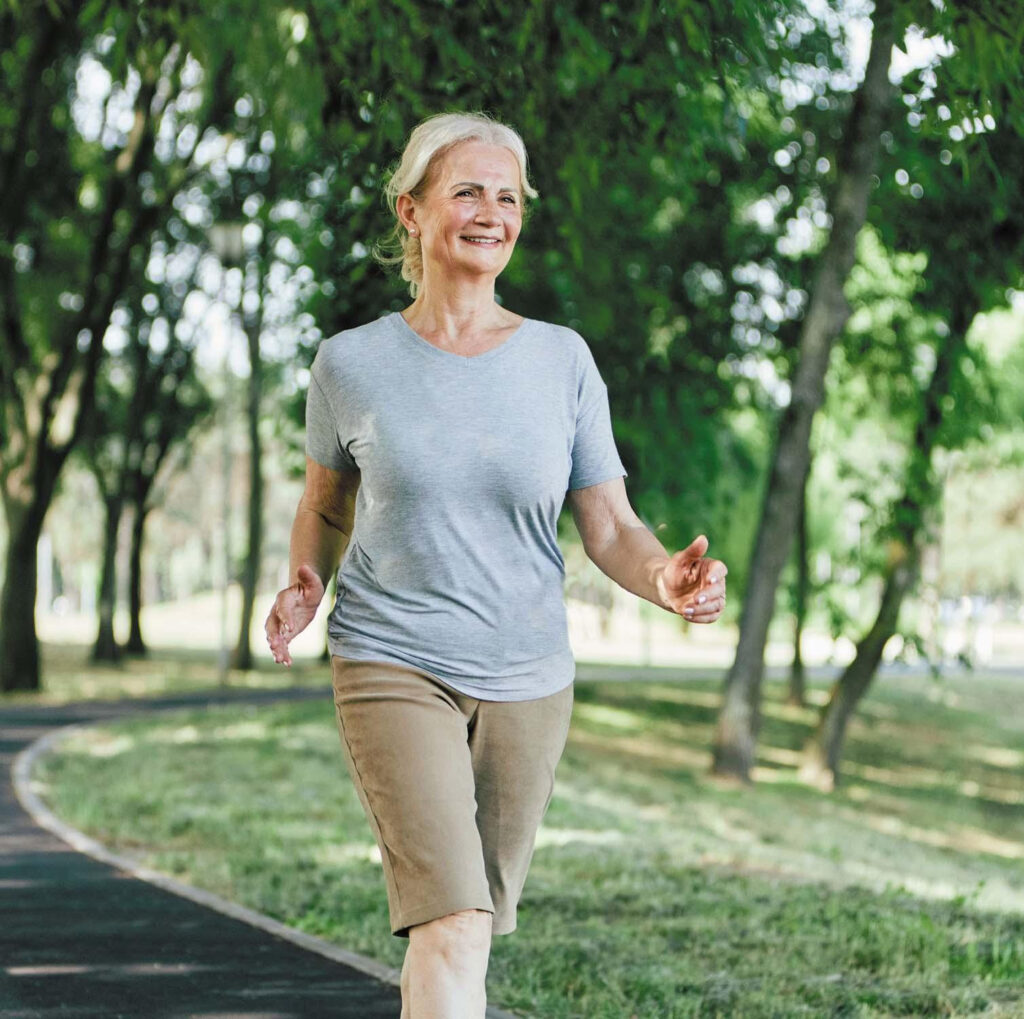
Regularly engaging in a variety of physical activities—such as aerobic exercise, strength training, and flexibility work—significantly promotes longevity by reducing mortality risk, preventing chronic disease, and maintaining functional independence. Mixing activities, including swimming, walking, and weightlifting, can offer a 13-41% lower risk of death from causes like heart disease and cancer.

Key Aspects of Diverse Physical Activity for Longevity

  • Complementary Health Benefits: A mix of exercises provides holistic health benefits. While aerobic activities (running, cycling) improve cardiovascular and lung function, strength training preserves muscle mass, and yoga/stretching improves balance, protecting against injuries like falls.
  • Reduced Chronic Disease Risk: Varied activity helps manage conditions such as diabetes, high blood pressure, high cholesterol, obesity, and several cancers (including colon and breast cancer).
  • Reduced Mortality Risk: Research shows that engaging in a greater variety of physical activities can reduce the risk of premature death, with a “diverse” approach lowering the risk of death by 19% compared to limited types of exercise.
  • Enhanced Functional Mobility: Regularly varying movements helps maintain muscle strength and joint flexibility, reducing frailty and improving the ability to perform daily tasks in older age.
  • Mental Well-being: Exercise reduces stress, lowers risk of depression and anxiety, and improves sleep quality, all of which contribute to a longer, healthier life.

Optimal Approach to Longevity

  • Variety is Key: Mixing activities allows for higher, sustained total activity levels, which are crucial for reducing mortality.
  • Consistency over Intensity: While high levels of total activity are important, consistent engagement in varied, moderate-intensity exercise is more beneficial than intermittent, intense workouts.
  • Recommended Guidelines: According to Stanford Medicine, aiming for 150 minutes of moderate-intensity or 75 minutes of vigorous activity per week can significantly improve longevity, says.
  • Sustainability: Choosing enjoyable activities like gardening, dancing, or swimming ensures long-term commitment.

Remember that every movement you make today is a down payment on your future self. Longevity isn’t just about adding years to your life, but adding life to your years.

By mixing up your routine—whether it’s a brisk walk, a heavy lift, or a quiet stretch—you aren’t just ticking a box; you are building a resilient, capable body that can enjoy the world for decades to come. Don’t wait for the perfect moment to start; just keep moving, keep exploring, and keep thriving. Your future self will thank you for the variety you embrace today.

A Pet Can Add Years To Your Life

pet

Owning a pet offers significant advantages for health, wellness, and longevity by improving cardiovascular health, reducing chronic stress, and protecting cognitive function. Research indicates that the bond between humans and animals can even lead to increased survival rates after major health events.

Cardiovascular Health and Physical Longevity

Pet ownership is strongly linked to heart health, with studies showing a lower risk of death from heart disease and natural causes.

  • Reduced Risk Factors: Owners often have lower resting heart rates, lower blood pressure, and better cholesterol and triglyceride levels.
  • Increased Survival Rates: Dog owners, in particular, show a 33% lower risk of death after a heart attack and a 27% lower risk after a stroke compared to non-owners, especially those living alone.
  • Physical Activity: Regular daily walks with a dog add an average of 20–22 minutes of extra exercise per day, helping owners meet recommended fitness levels.

Psychological Wellness and Stress Reduction

Interacting with pets triggers biochemical changes that enhance emotional well-being.

  • “Happy Hormone” Boost: Petting an animal increases levels of oxytocin, serotonin, and dopamine while simultaneously lowering cortisol, the body’s primary stress hormone.
  • Mental Health Support: Pets ease feelings of loneliness, social isolation, and depression, providing unconditional love and a “calming presence”.
  • Sense of Purpose: For many, the responsibility of caring for a pet provides daily structure and a vital sense of meaning, which are key components of mental resilience.

Healthy Aging and Cognitive Protection

For older adults, pets can serve as a buffer against age-related decline.

  • Slowing Cognitive Decline: Research involving adults over age 65 suggests pet ownership is associated with a slower rate of decline in verbal memory, fluency, and general executive function over a 10-year period.
  • Dementia and Alzheimer’s Support: Regular interaction with animals has been shown to support daily activity function and slow disease progression in individuals with Alzheimer’s.
  • Social Connectedness: Pets often act as “social icebreakers,” helping seniors stay engaged with their neighbors and community.
  • The Ultimate Accountability Partner: We all struggle to motivate ourselves sometimes, but it’s nearly impossible to ignore a pair of eyes looking at you when it’s time for a walk or breakfast. A pet turns your “should-do” habits into “must-do” moments, ensuring you get outside and stay active even on days you don’t feel like it.
  • A “Built-in” Buffer Against Stress: Imagine coming home after a grueling day and having a living being who is genuinely, purely thrilled that you exist. That immediate drop in cortisol when you start playing or cuddling isn’t just a feeling—it’s your body physically repairing itself from the day’s strain.
  • Connection Without Perfection: In a world where we often feel judged, pets offer a space of total authenticity. They don’t care about your job title or your bank account; they care about your presence. That kind of unconditional bond is a powerful anchor for your mental health.
  • The Reward of Growth: There is a profound sense of pride in watching an animal thrive under your care. Seeing a rescue dog gain confidence or a kitten learn to trust you provides a sense of accomplishment that carries over into other areas of your life.

Small Step Tip: If you aren’t ready for the 15-year commitment yet, consider fostering. It allows you to experience these health benefits and save a life while “test-driving” how a pet fits into your daily routine.

Beyond the Chair: The Biomechanics of Why Floor Sitting Promotes a Longer Life

sitfloor

Do you still sit on the floor the way you did as a kid? Most people don’t but sitting on the floor (instead of always using chairs or couches) is good for health and longevity because it keeps your body moving, flexible, and strong in small but important ways. Here’s how it helps, explained simply:

Improves mobility and flexibility

Getting down to the floor and back up requires your hips, knees, ankles, and spine to move through a wider range of motion. Over time, this helps:

  • Maintain joint mobility
  • Reduce stiffness as you age
  • Support better posture

People who rarely sit on the floor often lose this mobility faster.

Builds functional strength

Standing up from the floor uses:

  • Leg muscles (quads, glutes)
  • Core muscles
  • Balance and coordination

This kind of strength is called functional strength—the kind you need for daily life. Maintaining it is linked to staying independent as you get older.

 Improves balance and coordination

Floor sitting naturally challenges balance, especially in positions like cross-legged or kneeling. Better balance lowers the risk of falls later in life, which is a major factor in healthy aging.

 Encourages frequent posture changes

When you sit on the floor, you tend to shift positions more often than when sitting in a chair. This:

  • Reduces prolonged pressure on the spine
  • Improves circulation
  • Prevents stiffness from staying in one position too long

 Linked to longevity markers

A well-known study found that the ability to sit down and stand up from the floor without using hands or support was strongly associated with lower risk of early mortality. This doesn’t mean floor sitting itself “adds years,” but it reflects overall strength, mobility, and health.

Supports a more active lifestyle

Cultures where floor sitting is common often:

  • Spend more time moving throughout the day
  • Have better hip and ankle mobility
  • Accumulate more low-level activity (which adds up over time)

A note of caution

Floor sitting isn’t ideal for everyone:

  • People with knee, hip, or back pain should be careful
  • Start with short periods and use cushions or back support
  • Alternate positions (cross-legged, kneeling, side-sitting)

🌱 Bottom line

Sitting on the floor is good for health not because it’s magical, but because it keeps your body mobile, strong, and adaptable—all key factors in healthy aging and longevity.

Diet and Longevity Trends

diet

Recent 2026 research highlights that a plant-rich diet high in fiber, nuts, and healthy fats (like olive oil) can add over a decade to life, even when started later in life. Key findings focus on a, gut-healthy, mostly plant-based approach with limited processed foods and reduced animal protein. Maybe you can outlive supercentenarian María Branyas Morera.

Recent Longevity Findings

  • Gut Health is Vital: A study of a 117-year-old woman, María Branyas Morera, found a highly diverse gut microbiome, linking longevity to a diet supporting gut health.
  • Top Longevity Foods: Beans (legumes) are considered the most important, with about 1 cup daily recommended. Nuts, blueberries, leafy greens, and whole grains are also staple longevity foods.
  • What to Avoid: High consumption of sugary drinks is linked to higher mortality. Processed meats, excessive sodium, and refined grains should be minimized.
  • Optimal Dietary Pattern: Diets that are high in plant-based, non-refined carbohydrates, with sufficient plant-based fats, and low but adequate protein are best.
  • Timing Matters: Restricting daily eating to an 11-12 hour window allows for daily fasting benefits.
  • Flexibility Over Rigidity: Experts emphasize that you don’t need a strict formula; rather, you should adopt flexible eating patterns that fit your preferences (e.g., combining elements of Mediterranean and Okinawan diets).
  • Long-term Impact: Switching to an optimal diet in young adulthood could add roughly 10-13 years to life, while making changes at age 60 can still add about 8 years.

Daily “Non-Negotiable” Foods

Experts frequently cite four food groups as essential daily additions for longevity:

  • Legumes: One cup per day of beans, lentils, or chickpeas provides fiber and protein.
  • Nuts: A daily handful is linked to significantly lower heart disease and death risks.
  • Leafy Greens: Nutrient-dense greens like kale and spinach support vascular health and calm inflammation.
  • Oily Fish: Sourced for omega-3s, fish like salmon and sardines support brain structure and stabilize heart rhythms.

Eating better isn’t just about adding years to your life; it’s about adding life to your years. Here are some perspectives to help shift your mindset:

  • Invest in your future self: Think of every healthy meal as a deposit into a “health bank” that you’ll withdraw from in your 70s, 80s, and 90s.
  • Fuel, not just filler: Treat your body like a high-performance engine; you wouldn’t put low-grade fuel in a Ferrari, so don’t settle for less than what helps you thrive.
  • Eat for the moments: You aren’t just eating a salad; you’re eating for the energy to travel, the strength to play with future grandkids, and the clarity to enjoy every conversation.
  • Respect your biology: Your body is the only place you have to live. Feed it with the respect it deserves for everything it does for you.
  • Small wins, big impact: You don’t have to be perfect; you just have to be better than you were yesterday. One meal at a time, you are literally rebuilding yourself.
  • Choose your “hard”: It’s hard to discipline your diet, but it’s harder to deal with preventable illness later. Choose the “hard” that leads to freedom and vitality.