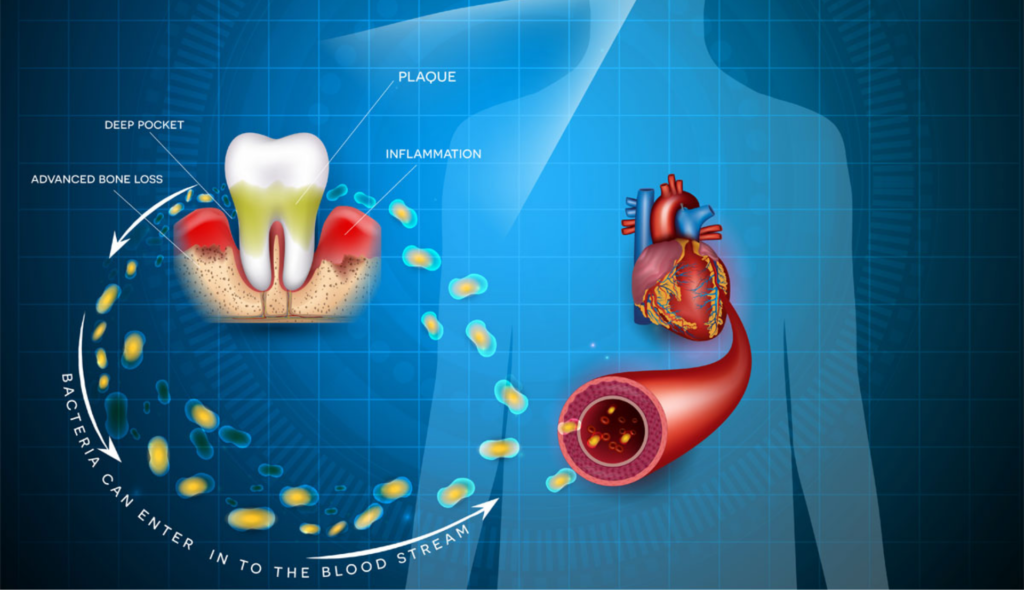
Gum disease (periodontitis) is closely linked to heart disease through chronic, systemic inflammation caused by bacteria entering the bloodstream through bleeding gums, which can damage blood vessels and promote arterial plaque, potentially reducing overall longevity. Individuals with periodontal disease face a 28% higher risk of heart attacks.
The Connection: Gum Disease and Heart Disease
- Bacteria Transfer: The bacteria that cause periodontal disease can travel from the mouth to the blood vessels, causing inflammation, narrowing of the arteries, and increased risk of cardiovascular issues.
- Systemic Inflammation: Chronic inflammation in the gums acts as a source of inflammation throughout the body, leading to plaque buildup (atherosclerosis).
- Biological Mechanisms: Oral bacteria like Porphyromonas gingivalis have been found in arterial plaques, indicating a direct link.
- Shared Risk Factors: Common factors, such as smoking, poor diet, and diabetes, contribute to both poor oral health and heart disease.
Impact on Longevity
- Disease Progression: Poor oral hygiene has been linked to higher rates of cardiovascular disease, which can limit lifespan.
- Increased Risks: Severe gum disease is associated with higher risks of strokes, heart attacks, and heart failure.
- Protective Measures: Maintaining good oral hygiene—brushing and flossing daily—is considered a key component of a healthy lifestyle that promotes longevity and reduces the risk of heart-related deaths.
Key Takeaways
- Bidirectional Relationship: While gum disease can worsen heart conditions, existing heart issues may also be exacerbated by gum infections.
- Prevention: Regular dental check-ups and good oral hygiene are crucial, as studies suggest reducing inflammation from gum disease may help improve cardiovascular health.
Neglecting oral hygiene allows harmful bacteria to thrive, creating inflammation that can enter the bloodstream and contribute to arterial plaque, increasing the risk of heart attacks and strokes. By simply brushing twice a day and flossing daily, you aren’t just preventing cavities—you are directly reducing the inflammatory burden on your blood vessels. Treat your dental health as a fundamental part of a heart-smart lifestyle and ensure you see a dentist regularly to keep both your smile and your heart strong.