The Power of Being Real: How Authentic Communication is Good for Your Health and Your Relationships

jefferson

Authentic communication—speaking truthfully without pretense—boosts wellness and longevity by reducing psychological stress, fostering genuine connections, and aligning actions with values. This integrity lowers anxiety and depression, protects against the physical dangers of loneliness, and promotes heart health through improved vagus nerve function. 

By being present and sincere, you move beyond small talk to foster genuine understanding. It requires embracing vulnerability, active listening, and navigating conflict with honesty rather than pretense.

Key benefits of authentic communication for health include:

  • Reduced Psychological Stress: Aligning thoughts, feelings, and actions removes the mental friction and fatigue caused by living inauthentically or “working against yourself”.
  • Physical Health Benefits: Authentic relationships strengthen the vagus nerve, which regulates cardiovascular health, insulin production, and immune responses.
  • Mitigation of Loneliness: Being authentic reduces feelings of loneliness, which is a major contributor to poor mental health, depression, and anxiety.
  • Stronger Relationships and Trust: Honest communication fosters deeper intimacy, trust, and community, which are essential for emotional well-being and long-term, satisfying relationships.
  • Enhanced Personal Growth: It encourages self-awareness, allowing individuals to live in accordance with their values rather than conforming out of fear. 

 Key elements for transforming relationships through authenticity include:

  • Embracing Vulnerability: Sharing true thoughts and feelings, rather than trying to impress, creates a strong foundation for trust and deeper, more intimate bonds.
  • Active and Deep Listening: Truly hearing what is said—and what is not said—shows respect and helps you understand the other person’s perspective.
  • Handling Conflict with Grace: Treating difficult conversations as opportunities for growth rather than battles allows for resolution and strengthening of the relationship.
  • Consistency: Being the same person in different situations builds a reputation for reliability, fostering trust in both personal and professional settings. 
  • Health Benefits for You: Acts of authentic kindness reduce stress and lower cortisol levels. They release neurotransmitters like endorphins, which can improve your mood and overall well-being.

By replacing artificiality with sincere, open, and empathetic communication, individuals can break through barriers, fostering stronger, more resilient, and more fulfilling relationships. Essentially, being authentic means less energy wasted on maintaining a facade, leading to higher life satisfaction and better mental health outcomes. 
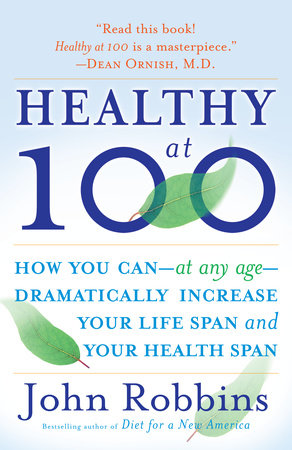
Books We Love! Healthy at 100

100

Healthy at 100 by John Robbins is valuable for longevity because it challenges the inevitability of age-related diseases, providing a, actionable, evidence-based guide for achieving a long, vibrant life. It highlights lifestyle lessons from the world’s longest-lived cultures—Abkhasia, Vilcabamba, Hunza, and Okinawa—focusing on plant-based, simple diets, consistent movement, reduced stress, and strong, loving social connections. 

Reasons We Love Healthy at 100

  • Redefines Aging: Robbins debunks the myth that chronic illnesses like heart disease and Alzheimer’s are unavoidable, promoting a “joyous, active” perspective on aging.
  • Dietary Wisdom: It advocates for a simple, plant-based, and nutrient-dense diet based on the habits of the healthiest populations, rather than processed, calorie-dense foods.
  • Holistic Approach: The book emphasizes that longevity is not just about diet but also heavily relies on having a sense of purpose, managing stress, and nurturing strong community bonds.
  • Empowerment: It shifts the power of health from genetics to lifestyle choices, offering a, actionable roadmap for increasing both lifespan and “health span”. 

Robbins makes the following key points:

1. Plant-Based, Nutrient-Dense Diet

  • Minimal Animal Products: The longest-lived populations consume very little, if any, meat or dairy. Their diets are predominantly plant-based, relying on whole grains, legumes, vegetables, and fruits.
  • Low Calorie/High Nutrient: Rather than overeating, these cultures generally consume a lower-calorie, nutrient-dense diet without processed foods or refined sugars.
  • Real Food: The focus is on natural, locally sourced food, often consumed shortly after harvesting. 

2. Active Lifestyle

  • Natural Movement: These populations do not go to the gym; instead, they integrate physical movement into their daily routines. They walk extensively, perform manual labor, and work in gardens well into old age.
  • Movement as Medicine: Regular, daily movement is seen as a better healer than medication and is crucial for maintaining strength and cognitive function. 

3. Strong Social Connections and Purpose 

  • Community and Love: Deep, loving relationships and a strong sense of community are paramount. Loneliness is recognized as a major health risk, potentially more dangerous than smoking.
  • Purpose Beyond 100: Elderly members of these communities are not marginalized; they remain engaged, respected, and productive, often holding important roles in family and society.
  • Gratitude and Low Stress: These cultures foster a positive, appreciative attitude toward life, which helps manage stress and promotes emotional well-being. 

4. Positive Attitude Toward Aging

  • Reversing the Stigma: Western culture often fears aging, but these populations view old age as a time of wisdom, respect, and continued vitality.
  • Mind-Body Connection: A positive mindset and sense of purpose significantly influence physical health, allowing for a better quality of life in later years. 

5. Rejection of Modern Toxic Habits

  • Avoiding Processed Foods: The book advises avoiding industrialized food products, which Robbins links to the high rates of cancer, diabetes, and heart disease in Western society.
  • Environmental Awareness: The book emphasizes a connection to nature and a sustainable, compassionate lifestyle. 

Core Philosophy

Robbins concludes that we can live not only longer but also better by embracing a lifestyle based on simple, wholesome food, daily movement, and deep, loving connections with others. 

Longevity in a Glass? Evaluating the Clinical Evidence for Pomegranate Juice

pom

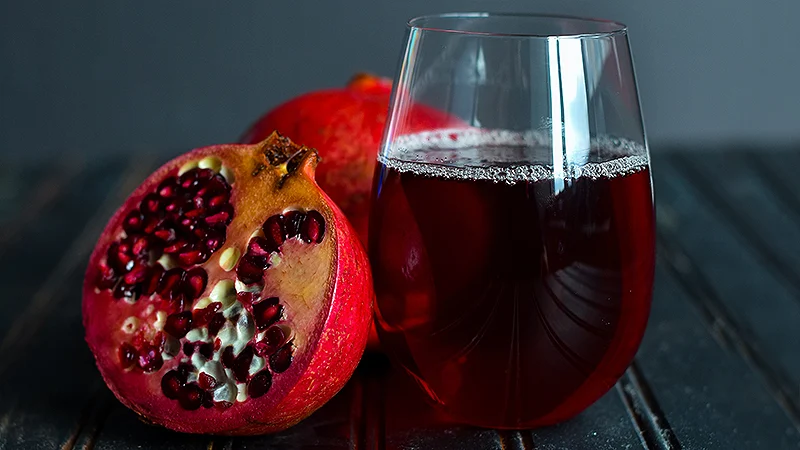
Have you tried pomegranate juice? Pomegranate juice is generating significant hype primarily due to its reputation as a “superfood” with exceptionally high antioxidant levels—often cited as having three times more antioxidant activity than red wine or green tea. Research suggests it offers powerful anti-inflammatory effects and supports various aspects of health, particularly cardiovascular, cognitive, and athletic performance. 

Pomegranate juice is highly nutritious, boasting three times the antioxidant activity of red wine or green tea, largely due to its high polyphenol content. It is considered excellent for longevity due to its potential to reduce blood pressure, lower LDL cholesterol, decrease inflammation, and support cognitive health. However, it is high in natural sugar and lacks the fiber found in the whole fruit. 

Pros for Longevity:

  • Cardiovascular Health: Studies show daily consumption (approx. 5-10 oz) can lower systolic blood pressure and improve cholesterol profiles, reducing artery-hardening.
  • High Antioxidant/Anti-inflammatory Effects: Polyphenols, specifically ellagitannins, combat oxidative stress, which protects cells from damage and reduces inflammation associated with aging.
  • Cognitive and Physical Function: Preliminary evidence suggests it may support memory retention and improve exercise endurance.
  • Anti-aging Potential: Some studies suggest it may improve skin health (reduction of wrinkles) and, in preliminary animal studies, enhance longevity. 

Cons and Considerations:

  • High Sugar Content: Pomegranate juice is calorie-dense and high in natural sugars, which may require moderation for those managing diabetes or weight.
  • Lack of Fiber: Consuming the whole fruit (arils) is superior to juice as it provides fiber, which helps manage blood sugar spikes.
  • Potential Drug Interaction: Pomegranate juice can act as an inhibitor of the enzyme CYP3A4, which is responsible for metabolizing certain medications, similar to grapefruit juice.
  • Variable Results: Some studies have shown that the blood pressure-lowering effects may diminish after a few months, and results on cholesterol can vary. 

For maximum benefit, it is often recommended to choose 100% juice without added sugar and consume it in moderation (roughly one small glass daily). 

Use Foam Rollers To Loosen Your Hips

hiproller

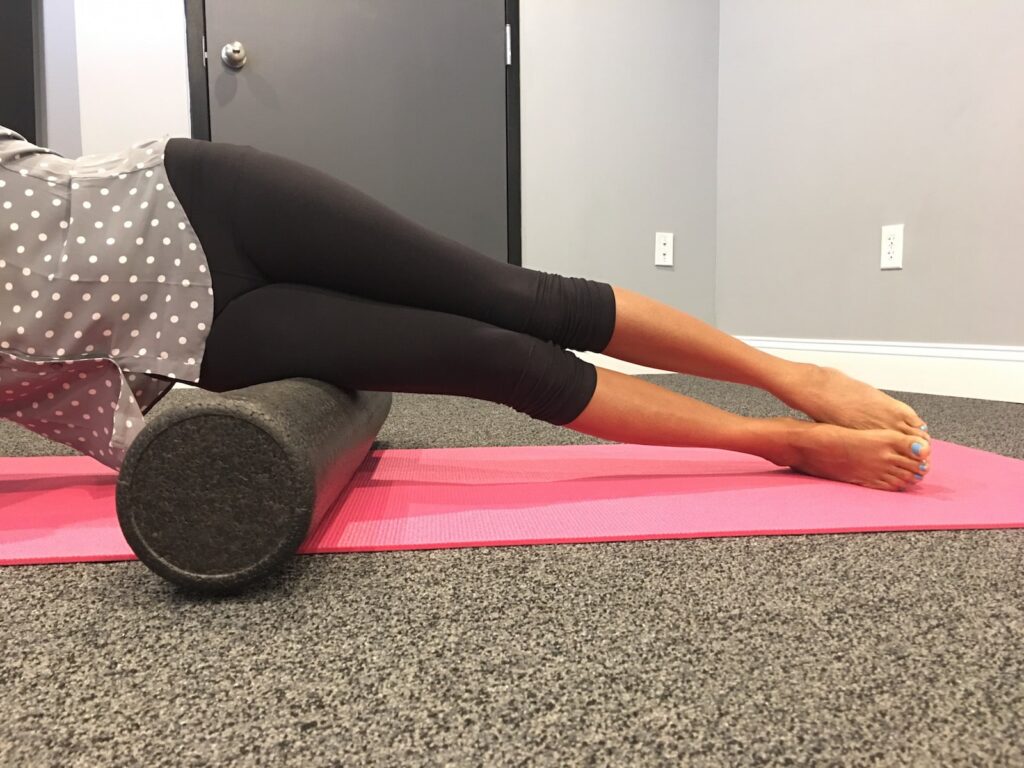
Foam rolling is an effective self-myofascial release (SMR) technique that loosens tight hips by applying deep pressure to break up muscular adhesions, boost blood circulation, and increase joint range of motion. It is particularly beneficial for relieving tension in the hip flexors, glutes, and IT band caused by prolonged sitting or intense exercise, promoting improved flexibility and reduced soreness. 

Using rollers on hip muscles improves mobility, reduces soreness, increases circulation, and relieves tension from prolonged sitting or exercise. Targeting areas like the glutes, hip flexors, and side hips with a roller helps break up adhesions, enhances joint range of motion, and aids in faster recovery. 

Key Benefits of Hip Rolling:

  • Increased Flexibility & Mobility: Improves range of motion in the hip joints, aiding in deeper movement for exercises like squats.
  • Pain Relief & Reduced Tightness: Effectively targets deep-seated muscle tension in the hip flexors, glutes, and IT band, helping to alleviate discomfort.
  • Improved Blood Flow: Increases circulation, which brings oxygen and nutrients to muscles, aiding recovery and reducing soreness.
  • Injury Prevention: Regular use helps loosen tight tissues, reducing fatigue and imbalances that can lead to injury.
  • Enhanced Performance: Pre-workout rolling helps wake up muscles, allowing for more efficient movement, while post-workout sessions promote relaxation. 

Tips for Effective Hip Rolling:

  • Avoid Bones: Focus on the muscle tissue, not the joint or bony areas like the hip bone.
  • Move Slowly: Move in slow, controlled motions, pausing on tender spots for 30–60 seconds.
  • Targeted Areas: Focus on the outer hip (lateral hip), glutes, and the front of the hip (hip flexors). 

Have You Tried Walking Backwards?

walkbackwards

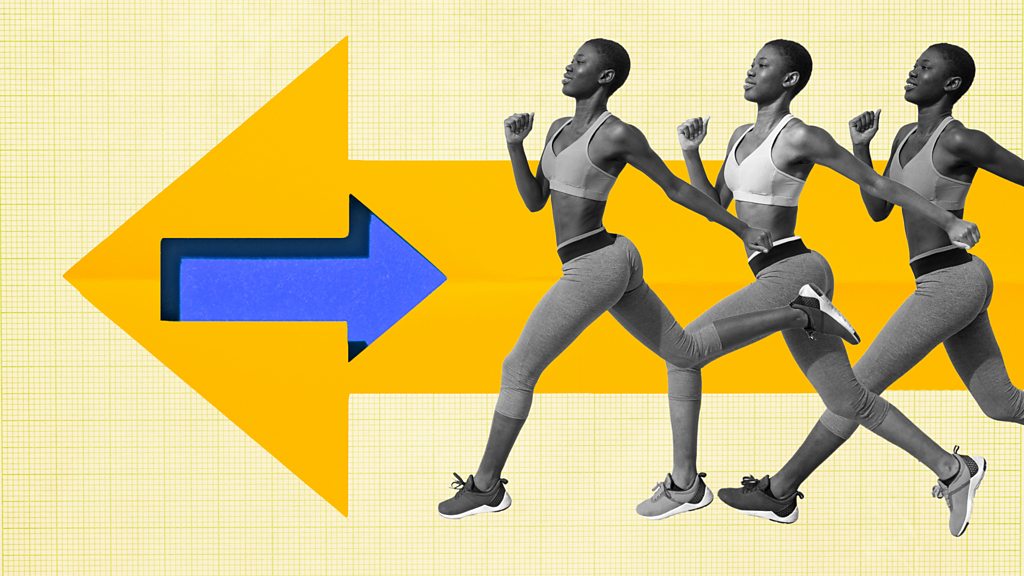
Walking backward, or “retro walking,” offers unique physical and cognitive health benefits beyond those of normal walking, largely because it engages underused muscles and requires greater concentration. 

Physical Health Benefits

  • Strengthens Different Muscles: It engages muscles in new ways, particularly the quadriceps, glutes, hamstrings, and hip flexors, which are often underused during forward walking.
  • Improves Balance and Coordination: By forcing the body to rely more on its proprioception (the sense of where the body is in space) and vestibular system (inner ear balance mechanism) rather than vision, it enhances overall balance and helps prevent falls, especially in older adults.
  • Promotes Joint Health: The mechanics of retro walking change the force patterns on joints, reducing the load and stress on the knees and lower back. It can be beneficial for individuals with knee osteoarthritis or chronic low back pain by strengthening supporting muscles and improving flexibility in the hamstrings and lower back.
  • Burns More Calories: Because it is a less efficient and more challenging movement for the body, walking backward burns significantly more calories—up to 40% more per minute than walking forward at the same speed.
  • Boosts Cardiorespiratory Fitness: The increased energy expenditure elevates the heart rate, improving heart and lung health.
  • Enhances Flexibility and Posture: It helps stretch tight hip flexors and encourages a more upright posture, which can counteract the effects of prolonged sitting. 

Cognitive Benefits

  • Brain Workout: The unfamiliar movement requires conscious effort and attention, stimulating the brain and engaging the prefrontal cortex, the area responsible for problem-solving and decision-making.
  • Improved Memory and Reaction Time: Challenging the brain with a new movement pattern has been linked to improved short-term memory, spatial awareness, and faster reaction times.
  • Prevents Boredom: Incorporating backward walking can add variety to your routine, preventing exercise boredom and keeping workouts interesting. 

Safety Considerations

To practice backward walking safely, start slowly and consider the following tips from experts: 

  • Clear Path: Choose a flat, even, and clear surface like an indoor hallway, an empty gym, or an outdoor track free of obstacles.
  • Use Support: Initially, walk next to a wall or hold onto handrails on a treadmill for support.
  • Use a Buddy: A partner can walk forward and act as your “eyes” to point out potential hazards.
  • Consult a Professional: If you have balance issues, recent injuries, or conditions like Parkinson’s disease, consult a healthcare provider or physical therapist before starting.