Have You Tried Walking Backwards?

walkbackwards

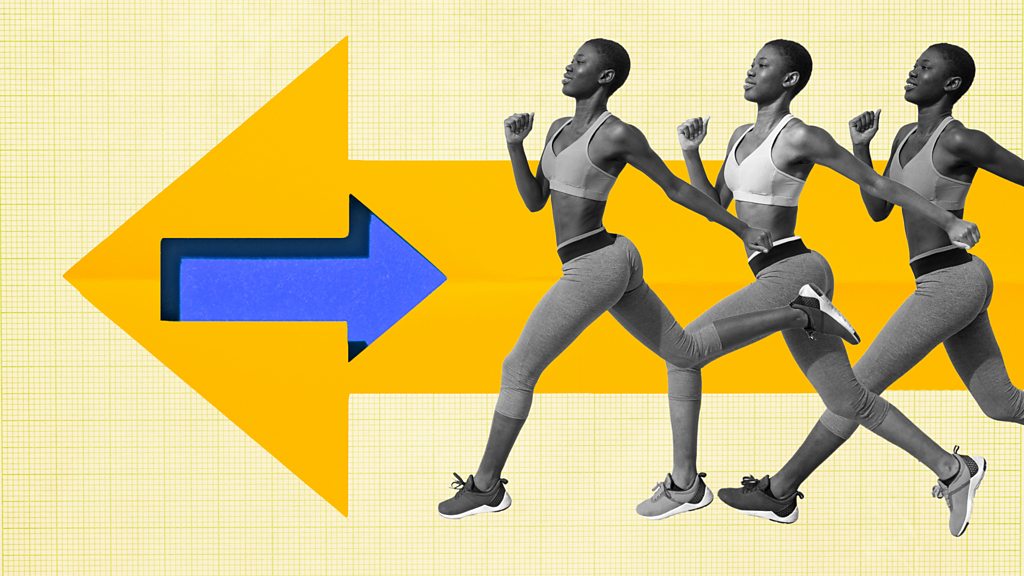
Walking backward, or “retro walking,” offers unique physical and cognitive health benefits beyond those of normal walking, largely because it engages underused muscles and requires greater concentration. 

Physical Health Benefits

  • Strengthens Different Muscles: It engages muscles in new ways, particularly the quadriceps, glutes, hamstrings, and hip flexors, which are often underused during forward walking.
  • Improves Balance and Coordination: By forcing the body to rely more on its proprioception (the sense of where the body is in space) and vestibular system (inner ear balance mechanism) rather than vision, it enhances overall balance and helps prevent falls, especially in older adults.
  • Promotes Joint Health: The mechanics of retro walking change the force patterns on joints, reducing the load and stress on the knees and lower back. It can be beneficial for individuals with knee osteoarthritis or chronic low back pain by strengthening supporting muscles and improving flexibility in the hamstrings and lower back.
  • Burns More Calories: Because it is a less efficient and more challenging movement for the body, walking backward burns significantly more calories—up to 40% more per minute than walking forward at the same speed.
  • Boosts Cardiorespiratory Fitness: The increased energy expenditure elevates the heart rate, improving heart and lung health.
  • Enhances Flexibility and Posture: It helps stretch tight hip flexors and encourages a more upright posture, which can counteract the effects of prolonged sitting. 

Cognitive Benefits

  • Brain Workout: The unfamiliar movement requires conscious effort and attention, stimulating the brain and engaging the prefrontal cortex, the area responsible for problem-solving and decision-making.
  • Improved Memory and Reaction Time: Challenging the brain with a new movement pattern has been linked to improved short-term memory, spatial awareness, and faster reaction times.
  • Prevents Boredom: Incorporating backward walking can add variety to your routine, preventing exercise boredom and keeping workouts interesting. 

Safety Considerations

To practice backward walking safely, start slowly and consider the following tips from experts: 

  • Clear Path: Choose a flat, even, and clear surface like an indoor hallway, an empty gym, or an outdoor track free of obstacles.
  • Use Support: Initially, walk next to a wall or hold onto handrails on a treadmill for support.
  • Use a Buddy: A partner can walk forward and act as your “eyes” to point out potential hazards.
  • Consult a Professional: If you have balance issues, recent injuries, or conditions like Parkinson’s disease, consult a healthcare provider or physical therapist before starting. 
Why Long Core Workouts Are Actually Ineffective

core

A strong core is essential for longevity in wellness because it serves as the body’s foundation for stability, posture, and functional movement, which are critical for maintaining independence and preventing injuries (e.g., falls and back pain) while aging. But are you sending too much time on your core?

You do not need to spend long training your core because these muscles are already heavily engaged during compound exercises (squats, deadlifts) and daily movements, meaning short, intense sessions (~10 minutes) are sufficient. Excessive, long daily training can hinder recovery, cause injury, or lead to over-engagement, and it does not burn belly fat. 

Here is why short, targeted core training is more effective:

  • Compound Exercises Work Abs: The core acts as a stabilizer during heavy lifts like deadlifts and squats.
  • Muscles Need Recovery: Training abs every day without rest can cause overtraining, resulting in muscle strain or back issues.
  • Spot Reduction is a Myth: Spending hours on crunches will not burn the fat covering your abs; core exercises only build muscle underneath.
  • Over-engagement Risks Injury: Constantly engaging your core (e.g., trying to hold your stomach tight all day) can create too much tension, causing pain.
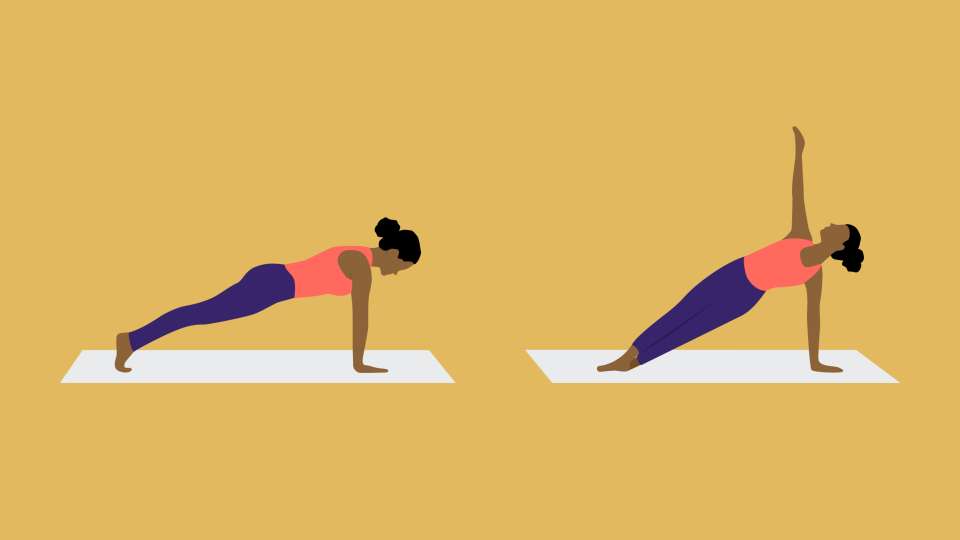
  • Efficiency Over Duration: A few sets taken to near-failure on a few exercises (like planks or leg raises) are more effective than high-repetition, long workouts, says this Athlean-X article. 

A 10-minute session, 2–3 times a week, is usually enough to develop a strong, visible, and functional core.

Red Light Therapy: Is It Really Worth the Hype?

redlight

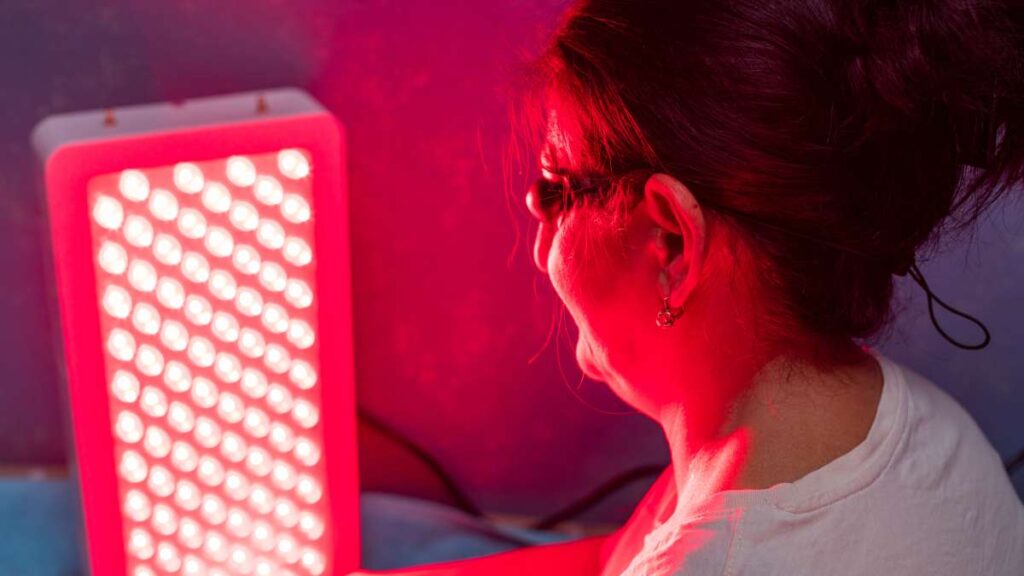
Red light therapy (RLT) offers several potential wellness benefits, such as enhanced skin health and reduced inflammation, and is generally considered safe for short-term use. However, the primary cons include a lack of robust scientific evidence for many claims, potential risks with misuse, and the significant financial investment required for consistent use. 

Pros of Red Light Therapy

  • Non-Invasive and Safe: RLT is a painless, non-invasive, and non-toxic treatment that doesn’t use harmful UV light, making it a safer option than tanning beds. When used as directed, side effects are minimal.
  • Skin Rejuvenation: Studies suggest RLT can stimulate collagen and elastin production, which helps reduce wrinkles, fine lines, and sun damage for a smoother, more even complexion.
  • Reduced Inflammation and Pain Relief: It can help lower inflammation throughout the body and has shown promise in managing chronic pain conditions like osteoarthritis and carpal tunnel syndrome, and speeding up muscle recovery.
  • Enhanced Healing: RLT has been found to accelerate wound healing and tissue repair by promoting new cell growth and improved blood circulation.
  • Improved Hair Growth: Evidence suggests RLT may be an effective treatment for male and female pattern hair loss by stimulating hair follicles.
  • Accessibility: Devices are available for use in clinics, spas, and at home, increasing accessibility for regular treatments. 

Cons of Red Light Therapy

  • Limited and Inconsistent Evidence: While promising, much of the research supporting RLT is still preliminary, and more high-quality, large-scale studies are needed to confirm its effectiveness for all claimed uses, particularly for longevity and some performance aspects.
  • Inconsistent Results: The lack of standardized guidelines for optimal dose, duration, and wavelength means results can vary widely depending on the device and individual.
  • Potential for Misuse and Side Effects: Improper use of high-intensity at-home devices (e.g., without protective eyewear or for too long a duration) can lead to temporary skin redness, irritation, blistering, or eye damage.
  • Cost and Commitment: Professional treatments can be expensive and require a long-term commitment (weekly sessions for months) to see results. While at-home devices are available, effective models can be a significant investment and may not be as powerful as clinical machines.
  • Unproven Claims: Some “wilder” claims, such as for weight loss or certain neurological disorders like dementia, currently lack scientifically validated results from large human trials and should be approached with caution. 

It is best to consult with a dermatologist or a qualified healthcare professional to determine if RLT is appropriate for specific health conditions or wellness goals. 

Are You Missing Out on the Benefits of Cranberries?

Cranberries 1


To stock up on frozen cranberries for year-round use, buy fresh ones in season (fall/winter), sort and wash them, spread them on a baking sheet to pre-freeze, then transfer to airtight bags or containers, removing air to prevent freezer burn; they’ll last up to a year in the freezer and can be used directly in recipes without thawing. 

Cranberries boost health and potential longevity by delivering powerful antioxidants (like flavonoids & quercetin) that fight inflammation, support heart health (improving cholesterol & blood vessel function), enhance oral hygiene by preventing bacterial adhesion, and potentially protect against certain cancers and UTIs. Rich in Vitamin C, K, fiber, and unique A-type Proanthocyanidins (PACs), they support immunity, gut health, and reduce chronic disease risk, but choose whole or unsweetened forms to avoid added sugar, say. 
Fresh, raw cranberries can add a pleasant bite and burst of color to any dish. You can eat them whole like blueberries, toss them into a salad, add them to oatmeal, or blend them into a smoothie.

Health & Nutrition Benefits

  • Antioxidant Powerhouse: Packed with flavonoids, Vitamin C, and E, they combat free radicals, reducing inflammation and chronic disease risk.
  • Urinary Tract Health: PACs prevent bacteria (like E. coli) from sticking to bladder walls, potentially preventing UTIs.
  • Heart Health: May improve good (HDL) cholesterol, lower bad (LDL) cholesterol, and enhance blood vessel function (endothelial function).
  • Oral Health: PACs also stop oral bacteria from forming plaque and gum disease.
  • Stomach & Gut: May help prevent H. pylori bacteria linked to ulcers and cancer; also supports gut microbiota.
  • Nutrient-Rich: Good source of fiber, Vitamin C, K, Manganese, and B vitamins. 
  • Choose Wisely: Raw or unsweetened cranberries are best; dried versions and juices often have excessive added sugar, negating benefits.
  • Best Forms: Whole berries or unsweetened juice. 

To See How Well You’re Aging, Try Standing on One Leg

oneleg

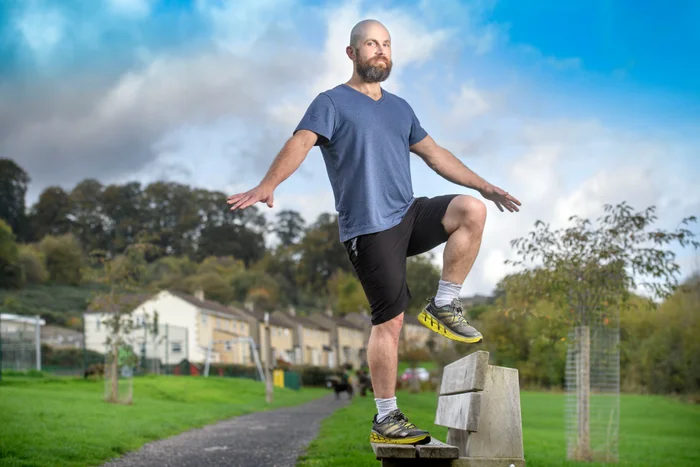
Standing on one leg offers significant fitness and longevity benefits by improving balance, strength, and neurological health, and is a strong predictor of overall well-being as we age

Fitness Benefits

Regular practice of single-leg stands engages the body’s musculoskeletal and neurological systems, translating to improved daily function and physical performance. 

  • Improved Balance and Stability The primary benefit is enhanced stability, which is crucial for everyday movements like walking, climbing stairs, and stepping over obstacles. Training this skill helps the body’s systems (vision, inner ear, and sensory receptors) work together more efficiently.
  • Stronger Muscles and Core Balancing on one leg forces numerous muscle groups to engage for stability, including the core (abdominals and back muscles), glutes, hamstrings, quadriceps, and ankle stabilizers. This strengthens these muscles and helps correct strength imbalances between limbs.
  • Reduced Risk of Falls and Injuries Falls are a leading cause of injury for older adults. By improving balance and coordination, the single-leg stance exercise helps prevent falls and related injuries like fractures, which in turn helps maintain independence and mobility later in life.
  • Enhanced Joint Health This exercise places demands on joints in the ankles, knees, and hips, which can help maintain their flexibility and stability over time. Stronger supporting muscles act as “scaffolding” to protect the joints.
  • Better Posture Maintaining balance on one leg requires proper spinal alignment and core engagement, which promotes better posture and can help alleviate chronic lower back pain.
  • Cognitive Function The brain is actively involved in maintaining balance. Single-leg stands require concentration and stimulate the cerebellum, the part of the brain responsible for coordination and movement. This continuous feedback loop can enhance memory, attention, and neuroplasticity, potentially delaying cognitive decline. 

Longevity Benefits

Beyond immediate fitness gains, the ability to perform a single-leg stand is considered one of the best physical indicators of healthy aging and a predictor of longevity. 

  • Predictor of All-Cause Mortality A widely reported 2022 study in the British Journal of Sports Medicine found that individuals aged 51-75 who were unable to stand on one leg for at least 10 seconds had an 84% higher risk of death from any cause within a seven-year follow-up period, compared to those who could.
  • Indicator of Overall Health The ability to balance reflects how the body’s various systems (neuromuscular, cardiovascular, and sensory) are working in concert. Difficulty balancing can be an early sign of underlying health conditions such as brain or nervous system issues, including stroke, dementia, or Parkinson’s disease, highlighting its value as a simple screening tool.
  • Maintained Independence By reducing the risk of falls and improving mobility and strength, good balance helps individuals maintain their functional independence, a key factor in a high quality of life and healthy aging. 

How to Practice

The exercise requires no special equipment and can be easily incorporated into daily life. 

  • Start with Support Stand near a wall or a sturdy chair for support.
  • Lift One Leg Slowly lift one foot off the ground, keeping your arms at your sides, and try to hold the position for as long as comfortable.
  • Set a Goal Work towards holding the pose for 30 seconds on each leg.
  • Make it Routine Practice while brushing your teeth, waiting for the kettle to boil, or during TV commercial breaks. 

Consistency is key, as balance can be trained and improved throughout life, even into older age. If you have concerns about your balance, consult with a healthcare professional or physical therapist.