High Reps vs. Low Reps for Leg Extensions

leg ex

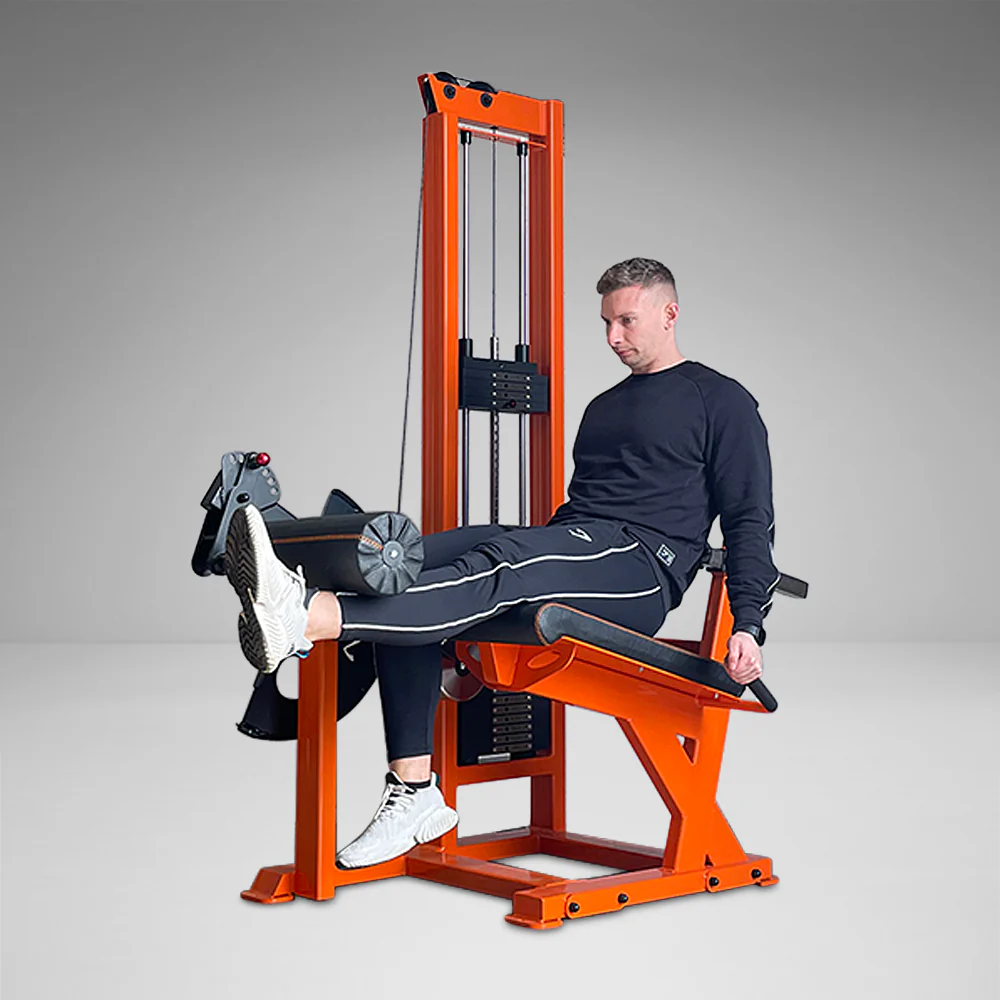
Does doing leg extensions make your knees sore? It could be that you are using too much weight. While leg extensions are not inherently “bad,” performing them with heavy weights and low reps significantly increases the risk of knee discomfort or injury due to the high mechanical stress they place on the joint. For isolation exercises like the single-leg extension, high reps with moderate weight are generally considered “better” than low reps with heavy weight for most lifters, primarily due to safety and joint health. It is a great exercise for your quads but being mindful of the weight and rep range is important.

High Reps (12–20+ repetitions):

Joint Safety: Lighter loads are significantly gentler on the knee joint and connective tissues. High-load leg extensions can be “needlessly stressful” to the knees, making higher reps a safer way to reach muscular fatigue.

Metabolic Stress: This range induces greater metabolic stress and “the pump,” which are key drivers for muscle hypertrophy.

Muscular Endurance: It specifically builds local muscular endurance, helping muscles withstand fatigue for longer periods.

Low Reps (1–6 repetitions):

Strength Focus: This range is superior for building maximal strength and improving neural recruitment of muscle fibers.

Mechanical Tension: Heavy weights maximize mechanical tension, but in a single-joint isolation move like the leg extension, high tension can lead to form breakdown or increased injury risk. 

Why High Reps Win for Extensions

Scientific research indicates that as long as you train near failure, both high-rep and low-rep sets build a similar amount of muscle. Because leg extensions are an isolation movement—meaning all the force is concentrated on one joint—using extremely heavy weights can cause joint irritation without providing a unique muscle-building benefit that you couldn’t get with more reps. 

Recommended Rep Ranges

  • Hypertrophy (Muscle Growth): 10–15 reps per set.
  • Endurance/Safety: 15–25 reps per set.
  • Advanced Trainees: 8–12 reps with heavy weight only if form is perfect and joints feel healthy. 

For more specific guidance, check the ACSM resistance training guidelines or use an app like Alpha Progression to track your progressive overload across different rep ranges.
The Uphill Advantage: Sprint Your Way to a Longer Life

hills

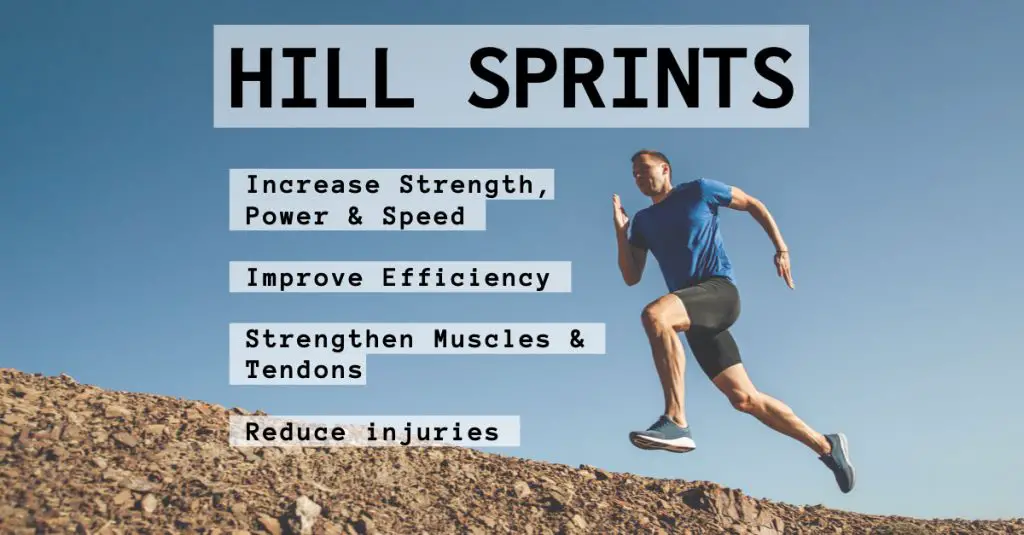
This is a tough exercise for sure but it can turn you into a machine if you stick with it. Sprinting up hills provides powerful longevity and fitness benefits by maximizing cardiovascular output, building explosive strength, and improving metabolic health with minimal time commitment. Key advantages include increased VO2 max, enhanced muscle recruitment, reduced joint impact compared to flat running, and improved running economy. 

Longevity and Health Benefits

  • Reduced Disease Risk & Improved Lifespan: High-intensity efforts like hill sprints can lower the risk of chronic diseases and, when combined with routine training, help slow the biological aging process.
  • Cardiovascular Efficiency: Hill sprints significantly increase VO2 max (maximum oxygen uptake) and improve heart rate efficiency.
  • Hormonal & Metabolic Health: These workouts are highly effective at burning calories and may boost natural testosterone levels.
  • Mental Resilience: Overcoming the difficulty of uphill sprints builds mental toughness and a positive mindset. 

Fitness and Performance Benefits

  • Strength & Power Development: Uphill running acts as resistance training, targeting the glutes, quads, and calves while increasing force output.
  • Improved Running Mechanics: Uphill sprints encourage a high knee lift, proper posture, and better stride rate, which translates to better form on flat ground.
  • Lower Joint Stress: Because the ground is elevated, the impact force on joints is lower compared to sprinting on flat, hard surfaces.
  • Time Efficiency: Short, intense sessions (e.g., 30–60 seconds) provide significant, fast-acting, high-intensity benefits that increase speed and strength endurance.
  • Muscle Fiber Activation: Hill sprints target Type 2 (fast-twitch) muscle fibers, increasing overall explosive strength. 

To avoid injury, it is recommended to start with a moderate gradient and gradually increase intensity. 

Harmonic Health: How Classical Music Promotes Longevity

music

If you enjoy classical music you have probably already realized that it makes you feel better. Let’s look at the reasons for this.

Classical music boosts health and longevity by reducing cortisol (stress hormone), lowering blood pressure, improving sleep, and enhancing cognitive function. Its structured, soothing nature acts as a calming agent, lowering heart rates and fostering brain plasticity, which can combat age-related cognitive decline and memory loss. 

Here is how classical music improves health and promotes longevity:

Physiological Benefits (Longevity Factors)

Reduced Stress: Listening to classical music significantly lowers cortisol levels.
Heart Health: Research indicates it can lower blood pressure and slow heart rates, particularly with slower, classical tempos.
Improved Sleep: Regular listening, especially before bed, helps improve sleep quality.
Pain Management: It acts as a therapeutic tool to reduce pain and discomfort during medical procedures.


Cognitive and Mental Health Benefits

Boosts Brain Function: It stimulates cognitive functions, enhancing memory, attention, and spatial reasoning (the “Mozart Effect”).
Combats Aging: It increases neural plasticity, which can slow age-related cognitive decline.
Memory Retention: It can stimulate memory recall, aiding in the management of dementia or Alzheimer’s.

Best Practices for Benefits

Tempo Matters: Music with a tempo of 60 to 80 beats per minute is often best for relaxation and lowering stress.
Consistency: Just 15-20 minutes of daily listening or playing can yield benefits. 
Playing an Instrument: Actively playing a classical instrument provides additional benefits, such as improving posture, boosting brainpower by up to 30%, and reducing feelings of isolation through engagement. 

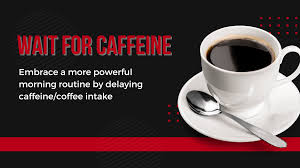
Hack Your Cortisol: How Delayed Caffeine Improves Long-Term Health

coffee

Don’t be too quick that pour that first cup of coffee in the morning! Waiting awhile has a lot of benefits.

Delaying your first morning caffeine by 60–120 minutes allows natural cortisol levels to peak and taper, resulting in more sustained energy, fewer afternoon crashes, and reduced caffeine dependency. This practice prevents caffeine from interfering with the natural wake-up response, leading to improved mental clarity and better sleep quality. 

Key Benefits of Delaying Caffeine:

  • Avoid the “Afternoon Crash”: Consuming coffee immediately upon waking can lead to a slump later in the day when the caffeine wears off.
  • Optimized Energy Levels: Delaying intake allows for a natural, sustained energy boost rather than a quick spike followed by a drop.
  • Reduced Dependence & Tolerance: Waiting allows your brain to wake up without chemical assistance, lowering the need for higher doses over time.
  • Better Sleep Quality: Shifting coffee later reduces the risk of lingering, sleep-disrupting caffeine in your system.
  • Reduced Jitters/Anxiety: It prevents adding high caffeine levels to already high morning cortisol levels, which can cause jitteriness. 

Recommendations:

  • Wait 90–120 minutes after waking.
  • Replace the immediate coffee with hydration, light, or movement.
  • Exception: If you work out immediately upon waking, having caffeine first is fine. 

While many people report significant benefits, some evidence suggests that the impact varies by individual, with some finding no significant difference. 

Tips For Keeping Your Skin Young

skin

We all want to stay and look young and your skin is the key to looking your best. For optimal skin wellness and longevity, prioritize daily broad-spectrum SPF 30+ sunscreen, a diet rich in antioxidants (fruits, vegetables, omega-3s), and consistent hydration. Key anti-aging strategies include using retinoids for cell turnover, vitamin C for collagen support, avoiding smoking, managing stress, and getting 7–9 hours of sleep. 

Key Anti-Aging Strategies For Your Skin

Sun Protection is #1: UV exposure causes most premature aging. Use broad-spectrum sunscreen daily, even on cloudy days, and wear protective clothing/hats.

Top Foods for Skin Health

Fatty Fish: Salmon, mackerel, and sardines are rich in Omega-3 fatty acids, which reduce inflammation and keep skin moisturized.

Avocados: High in healthy fats and vitamins E and C, they help maintain skin suppleness and protect against sun damage.

Berries: Blueberries and strawberries are packed with antioxidants, which fight free radicals and prevent premature aging.

Vegetables (Leafy Greens & Orange): Kale, spinach, and carrots provide beta-carotene (vitamin A) for cell growth and repair.

Nuts and Seeds: Walnuts, almonds, and sunflower seeds are excellent sources of vitamin E, which supports skin cell health.

Tomatoes: Rich in lycopene and vitamin C, they act as a natural sunscreen and boost collagen production.

Dark Chocolate (80%+): Contains antioxidants that improve skin hydration and density.

Green Tea: Contains polyphenols that protect against sun damage and improve skin moisture.

Sweet Potatoes: High in beta-carotene, which acts as a natural sunblock.

Water: Essential for maintaining overall skin hydration and elasticity.